World Environment Day 2026: Sustainable Manufacturing Must Power India’s Clean Energy Future
Pramod C, Director, Gopalan Metals, speaks to Digital India Times about the role of responsible copper production in India's green transition
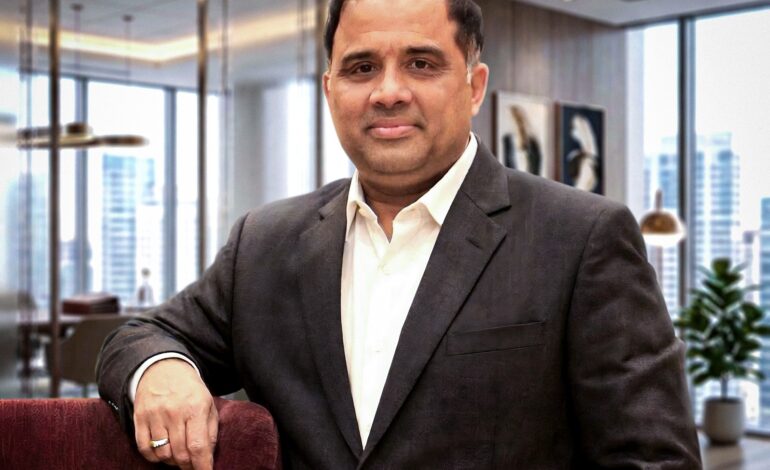
Pramod C, Director, Gopalan Metals

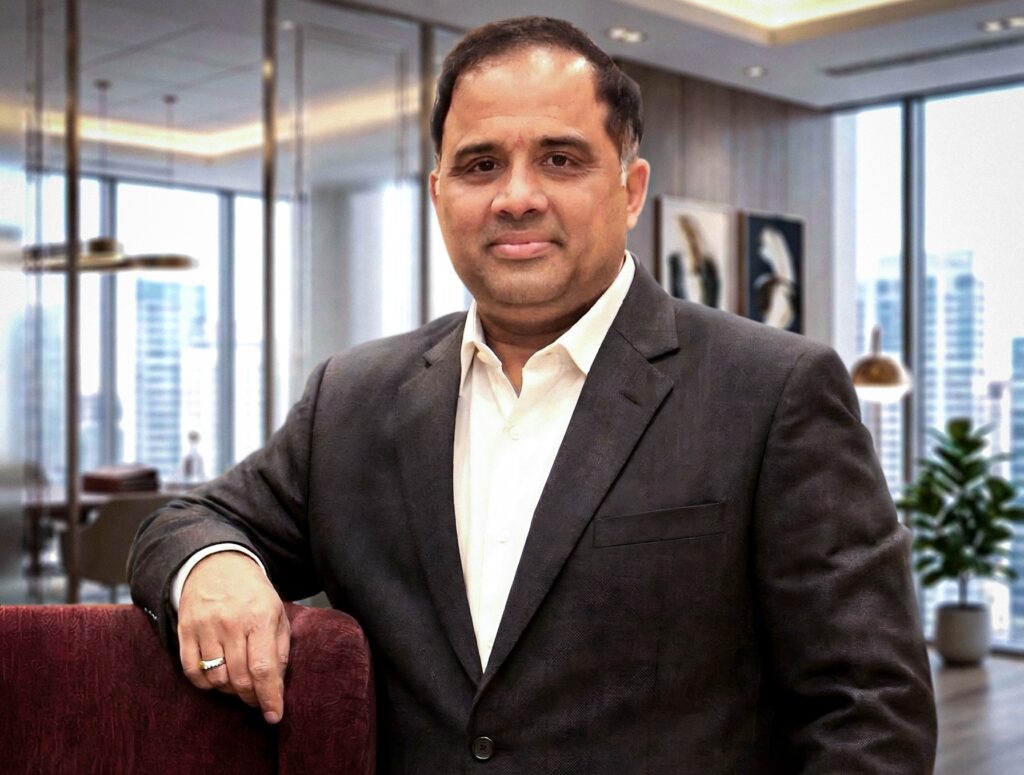
As India accelerates its journey towards net-zero emissions by 2070, the demand for critical industrial materials such as copper is expected to rise sharply. From electric vehicles and renewable energy installations to smart grids and modern power infrastructure, copper has become an indispensable component of the clean energy economy.
On the occasion of World Environment Day 2026, Pramod C, Director, Gopalan Metals, shares his views with Digital India Times on why sustainable manufacturing practices must evolve alongside India’s clean energy ambitions.
Copper is often described as a critical enabler of the energy transition. Why is it becoming so important today?
Pramod C: Every electric vehicle, every solar panel, every wind turbine and every kilometre of smart grid infrastructure relies on copper. It is one of the foundational materials driving the global transition towards cleaner energy systems.
As India advances towards its net-zero goals, demand for copper will continue to increase. However, while the focus is often on clean energy technologies, equal attention must be paid to how the materials that enable these technologies are produced. A sustainable future requires both clean energy adoption and responsible manufacturing.
What role does sustainable manufacturing play in this transition?
Pramod C: Decarbonising infrastructure while continuing carbon-intensive manufacturing practices creates a contradiction. Sustainability cannot begin only when a product reaches the market; it must be embedded throughout the production lifecycle.
Manufacturers have a responsibility to minimise waste, improve efficiency, optimise resource consumption and reduce environmental impact across operations. The future of manufacturing will be defined by organisations that can balance growth with environmental responsibility.
How is Gopalan Metals approaching this challenge?
Pramod C: At Gopalan Metals, sustainability is not treated as a separate initiative. It is integrated into the way we operate.
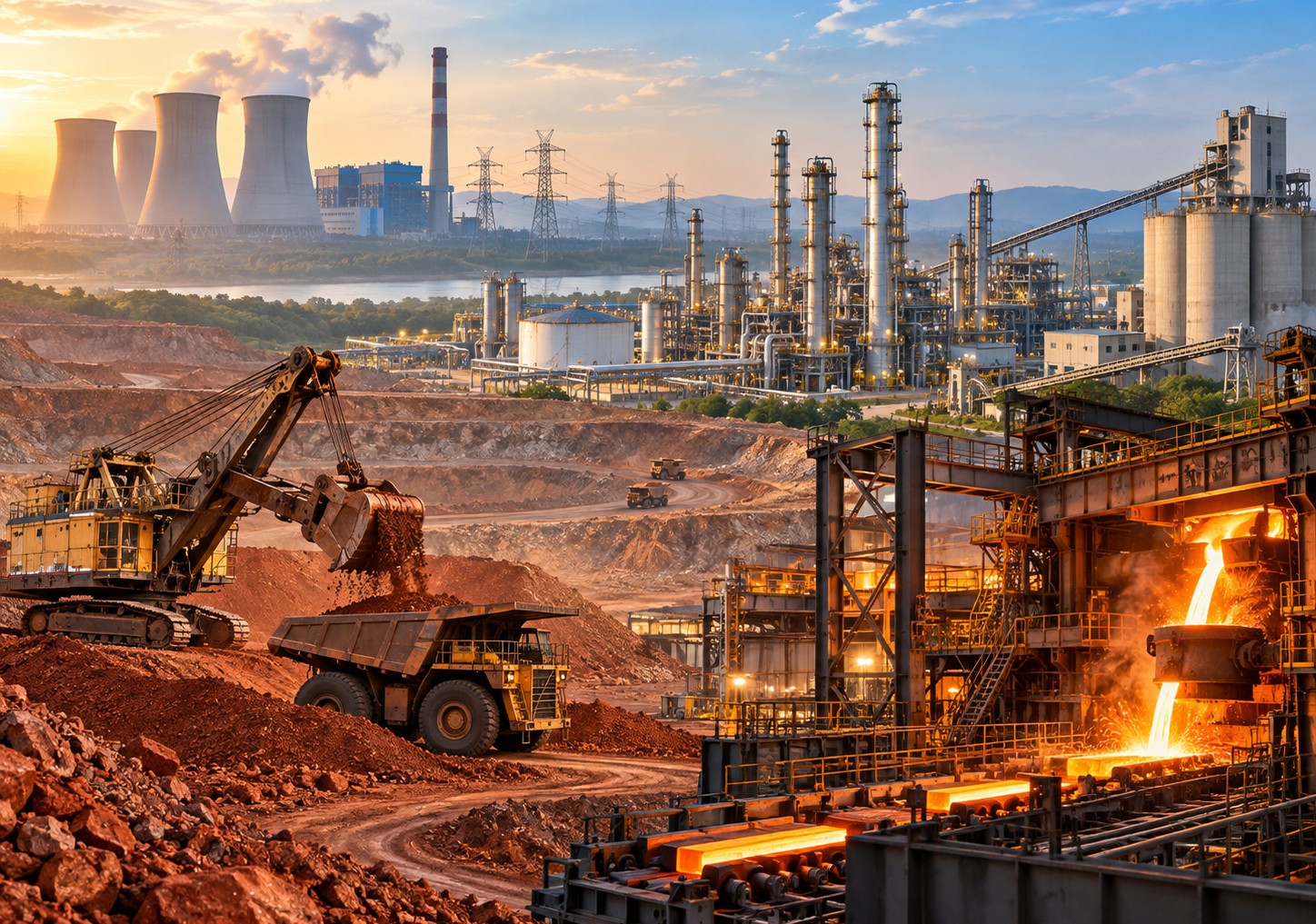
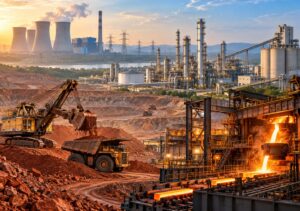
We have consciously built a manufacturing ecosystem that focuses on operational efficiency, waste reduction and responsible resource utilisation. At our Hoskote facility, we maintain a tightly controlled and digitally governed production environment designed to maximise productivity while minimising environmental impact.
Our objective is simple: ensure that the manufacturing process reflects the same sustainability values as the clean energy technologies our products ultimately support.
Copper is often cited as one of the most recyclable industrial materials. How significant is this from a sustainability perspective?
Pramod C: Copper is truly unique. It is 100 per cent recyclable and can be reused repeatedly without losing its performance characteristics. Its conductivity, durability and recyclability make it one of the most sustainable industrial materials available today.
As industries move towards circular economy models, copper offers tremendous opportunities to improve resource efficiency while reducing environmental impact. Manufacturers that embrace circularity will be better positioned to meet both environmental expectations and future market demands.
The industry is witnessing rising demand globally. Can scale and sustainability coexist?
Pramod C: Absolutely. In fact, they must.
For a long time, industrial growth and environmental responsibility were viewed as competing priorities. That mindset is changing rapidly. The copper industry stands at an inflection point where scale and sustainability can no longer be treated as opposing forces.
We believe manufacturers can expand capacity, meet global quality standards and remain accountable to higher environmental responsibilities. Responsible growth is not only possible but essential for long-term success.
What message would you like to share on World Environment Day 2026?
Pramod C: World Environment Day reminds us that sustainability must move beyond commitments and become an operational reality.
At Gopalan Metals, we remain committed to embedding sustainability across every process, every innovation and every tonne of copper we produce. The future of India’s clean energy transition will depend not only on what we build, but also on how responsibly we build it.
As industries continue to grow, resource efficiency, circularity and innovation must become central pillars of manufacturing. By doing so, businesses can contribute meaningfully to a low-carbon, resilient and sustainable future.
About Gopalan Metals
Gopalan Metals is the manufacturing arm of Gopalan Enterprises, one of Bengaluru’s most respected and diversified business groups with a legacy spanning more than four decades across real estate, education, retail and hospitality. The company focuses on responsible copper manufacturing and sustainable industrial practices that support India’s evolving clean energy ecosystem.