Space Startups Jump to 400 as India’s Innovation Ecosystem Expands: Jitendra Singh
Reflecting on Prime Minister Narendra Modi's 4,399 days in office as a continuously serving elected Prime Minister, the minister highlighted what he described as measurable achievements across governance, innovation, entrepreneurship
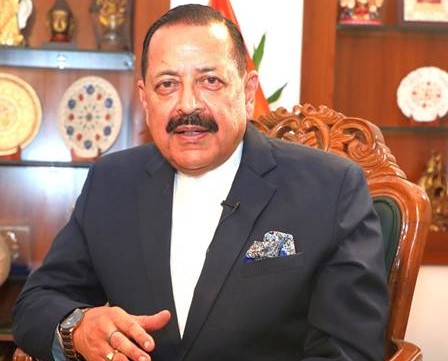
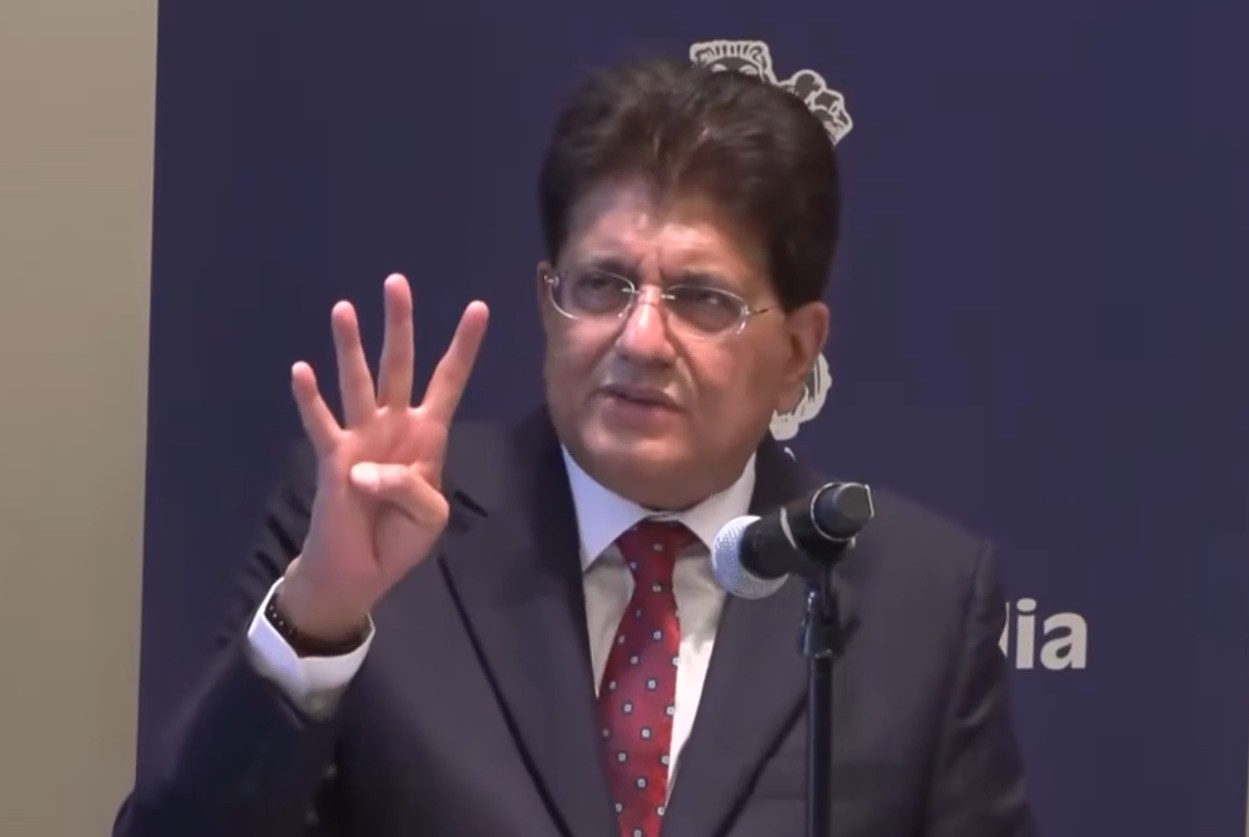
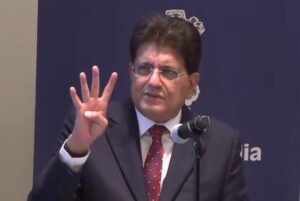
Union minister Dr Jitendra Singh speaks to the media as the government completed 12 years in office, in New Delhi on Sunday.

New Delhi: The past 12 years of the Narendra Modi government have transformed India into an aspirational nation driven by opportunity, innovation and self-belief, Union minister Dr Jitendra Singh said on Sunday.
Speaking to the media as the government completed 12 years in office, Singh said governance reforms, technological democratisation and citizen-centric policies had fundamentally changed how Indians perceive their future prospects.
Reflecting on Prime Minister Narendra Modi’s 4,399 days in office as a continuously serving elected Prime Minister, the minister highlighted what he described as measurable achievements across governance, innovation, entrepreneurship and scientific advancement.
“The biggest hallmark of the last 12 years is the change in mindset. An aspirational culture has emerged where people increasingly believe that they too can succeed through talent and hard work,” Singh said.
He pointed to the rapid expansion of India’s startup ecosystem, which has grown from about 350-400 startups in 2014 to more than 2.3 lakh today, generating nearly 25 lakh jobs. Nearly half of these startups are located in Tier-II and Tier-III cities, while 35-39 per cent are women-led, he said.
Singh highlighted the growth of India’s space sector, noting that the number of space startups had increased from single digits a few years ago to around 400 today, including one unicorn. India’s space economy, currently valued at nearly $9 billion, is expected to expand to about $45 billion over the next seven to eight years, he added.
The minister credited policy reforms for creating a more transparent and merit-based governance system. He cited the abolition of mandatory gazetted-officer attestation of documents and the introduction of self-attestation as a landmark step that demonstrated trust in citizens. The removal of interviews for several categories of government recruitment, he said, reduced opportunities for nepotism and strengthened merit-based selection.
According to Singh, these measures helped instil confidence among young Indians that success could be achieved through capability rather than influence or recommendation.
The minister also highlighted the government’s decision to open strategic sectors such as space and parts of the nuclear ecosystem to private participation. The move, he said, accelerated innovation, expanded career opportunities and integrated entrepreneurs and startups into areas that had traditionally remained closed to private players.
Referring to India’s achievements in space exploration, Singh said missions such as Chandrayaan had strengthened public interest in science and technology. He said the government’s approach had encouraged scientists to treat setbacks as part of the innovation process while celebrating major achievements such as India’s successful landing near the Moon’s south pole.
On welfare delivery, the minister said government benefits, including housing schemes, were being implemented without discrimination based on caste, religion or other affiliations, helping build greater trust in public institutions.
Looking ahead, Singh said India’s growth journey would require stronger public-private partnerships, greater participation of women and youth, and continued investment in emerging sectors such as space, nuclear energy and quantum technologies.
He said the government’s long-term objective was not merely economic growth but the creation of an empowered and aspirational society capable of contributing to the vision of a developed India by 2047.