Beti Bachao Beti Padhao Drives Gender Equity Gains as Sex Ratio at Birth Improves to 929
Girls’ secondary school enrolment rises to 80.2% as flagship programme completes 11 years
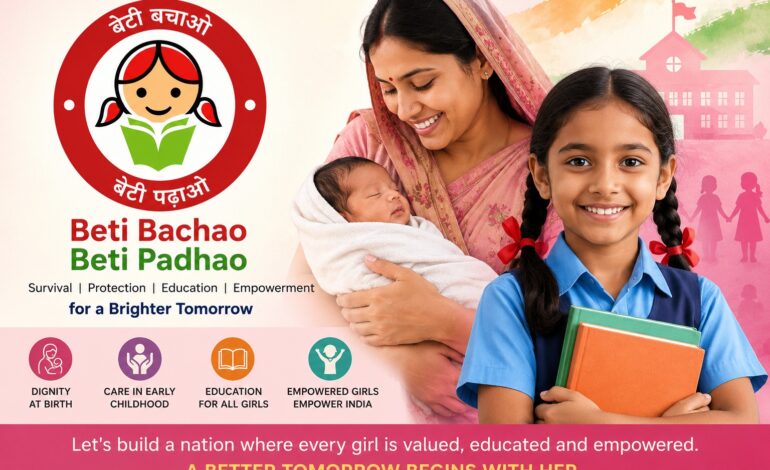
Launched on January 22, 2015, BBBP was introduced to address the declining Child Sex Ratio and gender-based discrimination against girls.

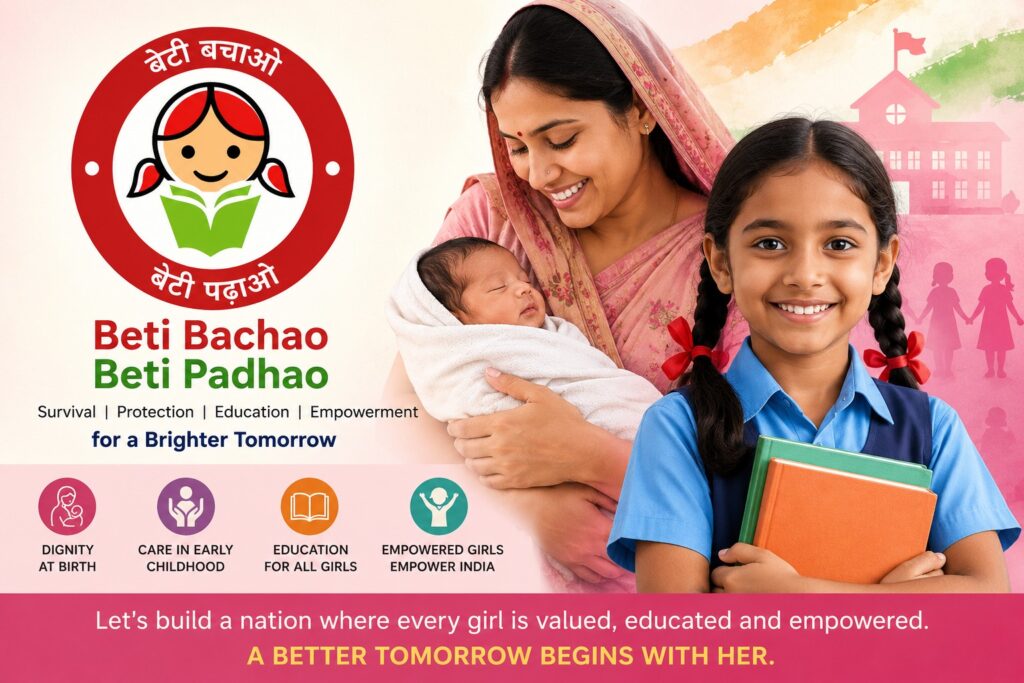
New Delhi: The Government of India’s flagship Beti Bachao Beti Padhao (BBBP) programme has helped improve key gender indicators across the country, with the national Sex Ratio at Birth (SRB) rising from 918 in 2014-15 to 929 in 2024-25, according to data released by the Ministry of Women and Child Development on Saturday.
Launched on January 22, 2015, BBBP was introduced to address the declining Child Sex Ratio and gender-based discrimination against girls. Over the past 11 years, the initiative has expanded from a focused policy intervention into a nationwide movement promoting the survival, protection, education and empowerment of the girl child.
The programme is jointly implemented by the Ministry of Women and Child Development, the Ministry of Health and Family Welfare, and the Ministry of Education.
According to the Health Management Information System (HMIS) of the Ministry of Health and Family Welfare, the improvement in the Sex Ratio at Birth reflects sustained efforts to prevent gender-biased sex selection and encourage institutional deliveries across the country.
The government said the programme has also delivered significant gains in education. Data from the Unified District Information System for Education (UDISE) shows that girls’ enrolment at the secondary level increased from 75.51% in 2014-15 to 80.2% in 2024-25, indicating better retention and transition rates among female students.
The Ministry of Women and Child Development said BBBP follows a lifecycle approach that begins with ensuring safe and dignified birth, extends to early childhood care and education, and supports girls through various stages of development and empowerment.
The initiative has focused heavily on behavioural change through sustained advocacy campaigns, community participation and coordinated action among ministries, states and Union Territories. Stakeholders from government agencies, civil society organisations, educational institutions and media have been mobilised to create greater awareness about the value of the girl child and the need to eliminate gender discrimination.
The ministry noted that strengthening maternal care, nutrition support and institutional delivery systems has contributed to improving outcomes for both mothers and children, laying a stronger foundation for healthy childhood development.
Reaffirming its commitment to the programme, the ministry said it will continue to strengthen the BBBP framework to ensure that every girl child is protected, educated and empowered, contributing to the broader vision of women-led development in India.