Cabinet Approves ₹11440 Crore Pulses Mission to Achieve Self-Sufficiency by 2030-31
Scheme targets expansion of cultivation area, processing capacity and farmer support across 489 districts New Delhi: The Union Cabinet has approved a centrally sponsored scheme, ‘Mission for Aatmanirbharta in Pulses’,
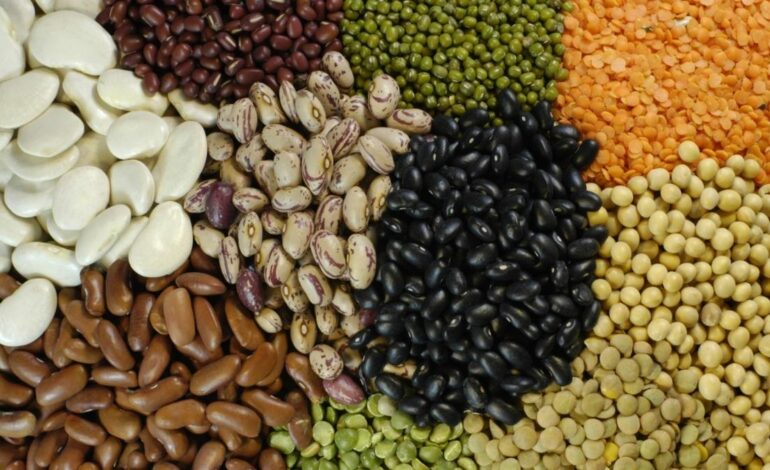
The focus on cluster-based development, seed support and processing infrastructure is expected to enhance value addition and reduce post-harvest losses.

Scheme targets expansion of cultivation area, processing capacity and farmer support across 489 districts
New Delhi: The Union Cabinet has approved a centrally sponsored scheme, ‘Mission for Aatmanirbharta in Pulses’, with a total outlay of ₹11,440 crore, aimed at boosting domestic production and achieving self-sufficiency in pulses by 2030–31.
The information was provided in the Lok Sabha by Minister of State for Agriculture and Farmers Welfare Bhagirath Choudhary, outlining the government’s roadmap to achieve long-term self-sufficiency in pulses production.
The mission, to be implemented over a six-year period from 2025–26 to 2030–31, focuses on expanding cultivation, strengthening post-harvest infrastructure and improving farmer access to quality inputs.
Focus on expanding production and cultivation area
Under the mission, the total area under pulses cultivation is projected to increase by 35 lakh hectares by 2030–31, including 24.5 lakh hectares in traditional areas and 10.5 lakh hectares in non-traditional regions, as detailed in the reply.
The all-India pulses cultivation area is expected to grow from 276 lakh hectares in 2024–25 to 310 lakh hectares by 2030–31, reflecting a steady expansion strategy.
Seed kit distribution to boost productivity
To increase productivity, particularly in rice fallow areas and other underutilised zones, the government will distribute 87.5 lakh free seed kits over the mission period.
During the current rabi season (2025–26), 10.36 lakh seed kits have already been allocated to states, with state-wise distribution detailed in the table in the reply.
Future annual targets for seed kit distribution have been set at 15 lakh (2026–27), 16.25 lakh (2027–28), 17.5 lakh (2028–29), 13.75 lakh (2029–30) and 12.5 lakh (2030–31).
Strengthening processing infrastructure
The mission also includes a significant push for post-harvest infrastructure.
A total of 1,000 processing units (dal mills) have been approved under the scheme, with 528 units allocated in the first phase across states and union territories, as shown in the table on pages 2 and 3.
States such as Uttar Pradesh (56 units), Madhya Pradesh (55), Maharashtra (34), Karnataka (30) and Rajasthan (30) have been assigned substantial shares in the initial phase.
Focus districts identified for targeted intervention
The government has identified 489 districts across the country as focus districts for implementing cluster-based interventions under the mission.
These districts have been selected based on production potential and scope for expansion of pulses cultivation.
Officials indicated that the list of districts may be revised over time based on local requirements and evolving agricultural conditions.
Integrated approach to self-sufficiency
The mission combines area expansion, productivity enhancement and infrastructure development to reduce dependence on imports and strengthen domestic supply chains.
By targeting both traditional and new cultivation areas, along with improving processing capacity, the scheme aims to create a more resilient and self-reliant pulses ecosystem.
Boost to farmer incomes and food security
Experts say the initiative could help stabilise pulses availability and prices while improving farmer incomes through better yields and market linkages.
The focus on cluster-based development, seed support and processing infrastructure is expected to enhance value addition and reduce post-harvest losses.