IndiaAI Mission expands Safe & Trusted AI pillar with 13 responsible AI projects and 58 CoEs: Govt
The mission has established 27 India Data & AI Labs, supported 237 AI projects and launched governance frameworks to strengthen secure, transparent and responsible AI while advancing India's global leadership.
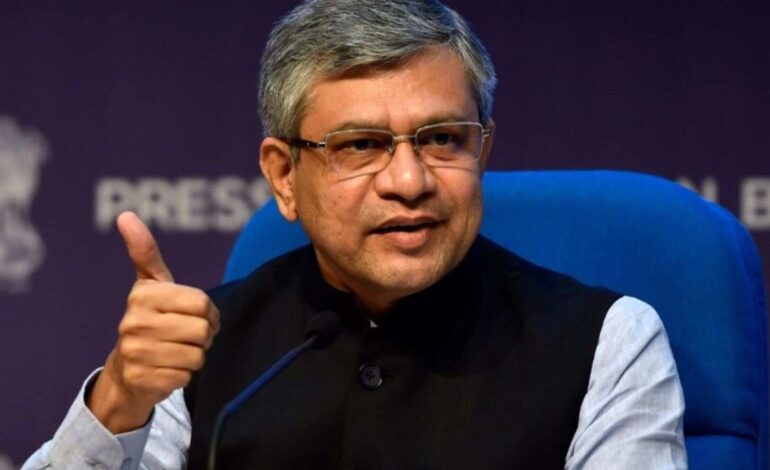
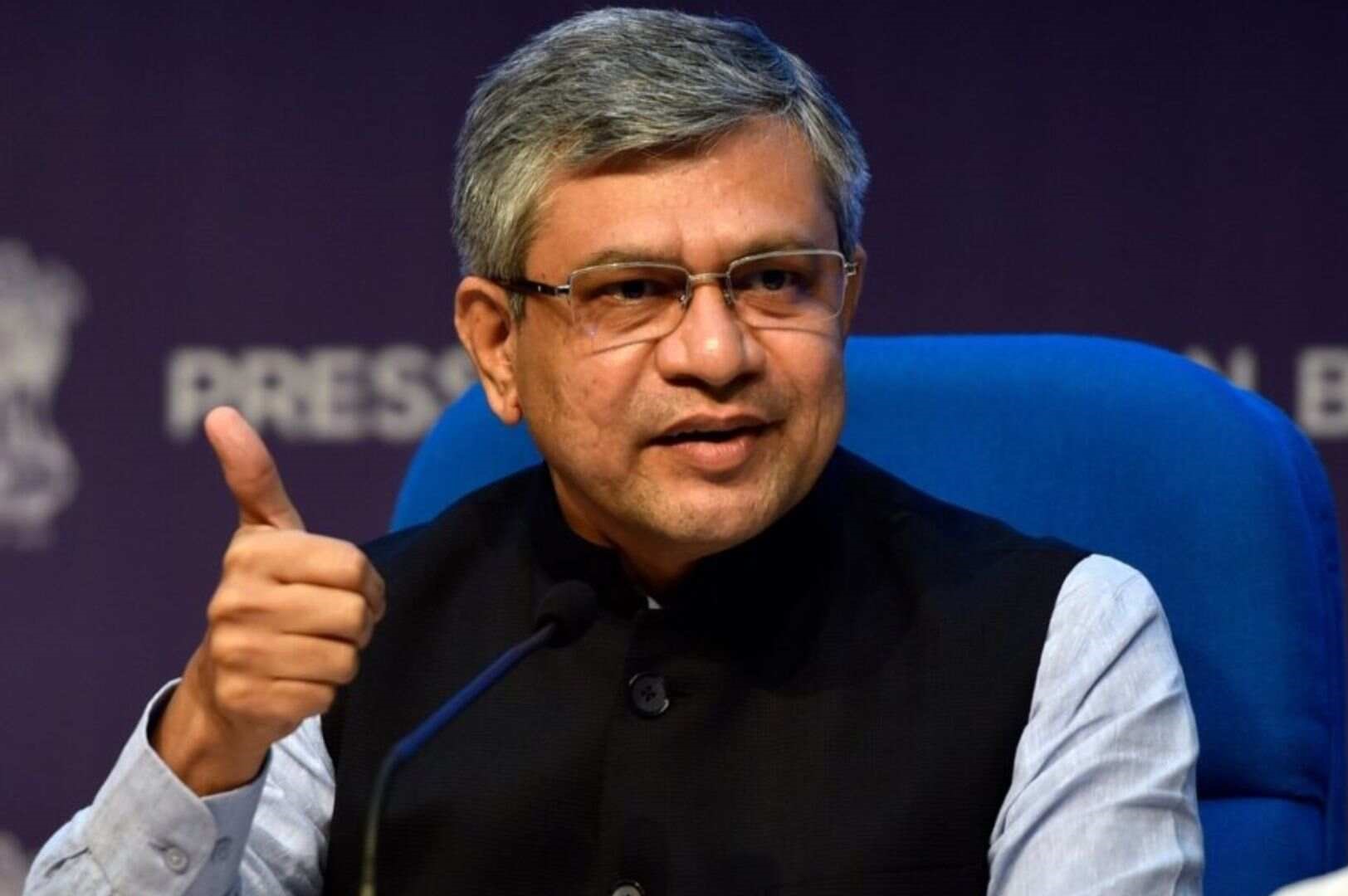
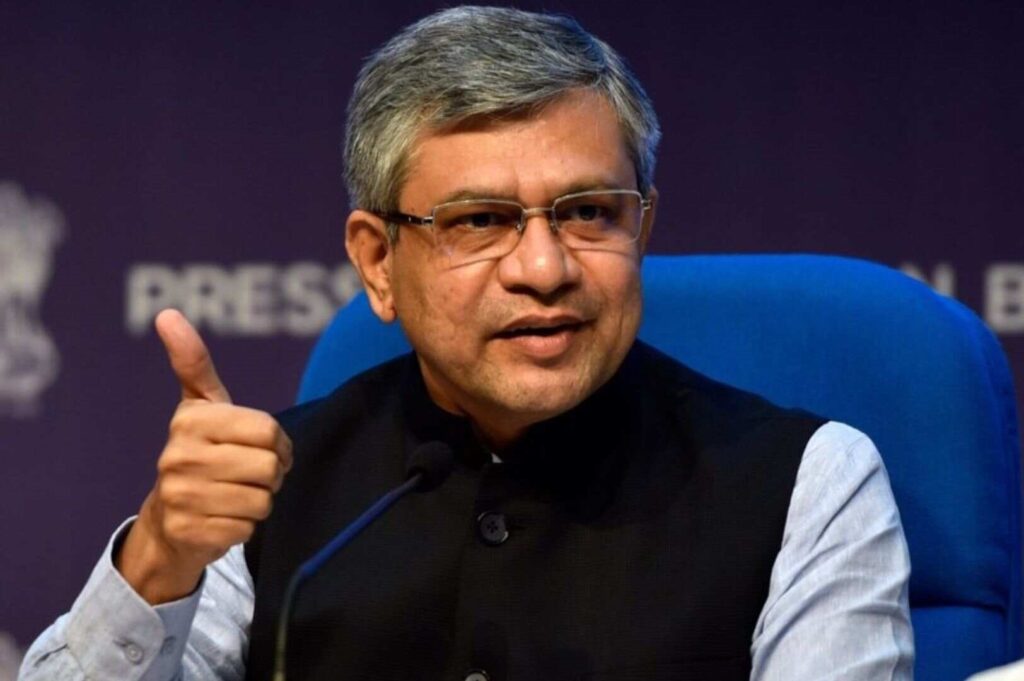
Union Minister for Electronics and Information Technology Ashwini Vaishnaw

NEW DELHI: The Centre has significantly expanded the Safe & Trusted AI pillar under the IndiaAI Mission, approving 13 responsible AI projects, establishing 58 Artificial Intelligence Centres of Excellence (AI-CoEs) and setting up 27 India Data & AI Labs as part of its strategy to build a secure, transparent and globally competitive artificial intelligence ecosystem.
The Ministry of Electronics and Information Technology said the IndiaAI Mission, approved in March 2024 with an outlay of ₹10,371 crore over five years, is built on Prime Minister Narendra Modi’s vision of democratising technology while creating economic opportunities and ensuring that AI development remains safe, trusted and aligned with India’s socio-economic priorities. The mission comprises seven pillars, including IndiaAI Compute, Foundation Models, AIKosh, Application Development Initiative, FutureSkills, Startup Financing and Safe & Trusted AI.
The government highlighted substantial progress across the mission. Twenty indigenous sovereign AI model proposals, comprising 12 Large Language Models (LLMs) and eight Small Language Models (SLMs), have been identified for support. Indian companies and startups, including Sarvam AI, Gnani.AI, BharatGen and Avaatar AI, are developing multilingual foundation models, speech technologies and video generation systems, while domain-specific AI frameworks are being built for healthcare, language technologies and agentic AI applications.
The IndiaAI Mission has also empanelled 15 compute service providers, sanctioned 93 lakh GPU hours and supported 237 AI projects to make high-performance computing more accessible. Twelve national hackathons and innovation challenges have been organised, resulting in the development of 62 AI prototypes and deployment of 20 AI solutions. On the talent front, 686 fellowships have been awarded across 178 institutions, while the YUVA AI for All programme has reached more than 26 lakh learners.
To strengthen AI research and capacity building, the mission has established 27 India Data & AI Labs that have already trained over 2,500 students, while work is underway to create another 188 labs. Additionally, 58 AI Centres of Excellence are being set up across states and Union Territories in collaboration with state governments and industry partners.
The Safe & Trusted AI pillar focuses on responsible AI governance through indigenous standards, evaluation mechanisms and research. The 13 approved projects cover critical areas such as bias mitigation, explainable AI, privacy-preserving AI, machine unlearning, AI risk assessment and deepfake detection. Among the notable initiatives are Saakshya, a multi-agent framework for deepfake detection developed by IIT Jodhpur and IIT Madras; AI Vishleshak for audio-visual forgery detection; and IIT Kharagpur’s real-time voice deepfake detection system. Research institutions including NIT Raipur, IIT Delhi, IIIT Delhi, IIT Dharwad and the Defence Institute of Advanced Technology are also working on AI models designed to improve transparency, fairness and privacy.
The government has established the IndiaAI Safety Institute to advance indigenous research on AI safety, governance and trust. It is also implementing a risk-based AI governance framework through the India AI Governance Guidelines, supported by institutional mechanisms such as the AI Governance and Economic Group (AIGEG), the Technology and Policy Expert Committee (TPEC) and the AI Safety Institute (AISI).
India is also strengthening its role in global AI governance through forums such as the Global Partnership on Artificial Intelligence (GPAI), the G20 and the United Nations. As Chair of the India AI Impact Summit 2026, the country introduced the New Delhi Frontier AI Impact Commitments, issued a guidance note on AI governance and launched the Trusted AI Commons repository to promote wider access to safe and trusted AI technologies.
The information was provided by Union Minister for Electronics and Information Technology Ashwini Vaishnaw in a written reply in the Rajya Sabha on July 24, 2026.