Telangana Rising: Why the State’s Growth Story Is Incomplete Without Acknowledging Centre’s Contribution
Can Telangana’s development journey be assessed fairly without acknowledging the role of the Union Government and those who consistently advocated the State’s interests at the national level?
Telangana's growth story underscores the importance of cooperative federalism, where sustained engagement between the State and the Centre has helped translate development plans into tangible outcomes.

As Telangana completes twelve years of statehood and enters its thirteenth year, it is an appropriate moment to assess the trajectory of its development with perspective rather than passion. Coincidentally, this milestone also comes as the Government led by Prime Minister Narendra Modi completes twelve years in office and enters its thirteenth year of governance. Such a moment invites not political point-scoring but a serious examination of how development has unfolded and what factors have contributed to it.
Democratic politics naturally accommodates criticism, disagreement and debate. Governments are expected to face scrutiny, and public representatives are expected to defend their record. Yet beyond the rhetoric of daily politics lies a more enduring question: how should development be measured? Ultimately, citizens judge governments not merely by speeches or slogans but by the quality of roads they travel on, the railway connectivity they enjoy, the investment opportunities available to their children, the institutions created for future generations and the public services that improve everyday life.
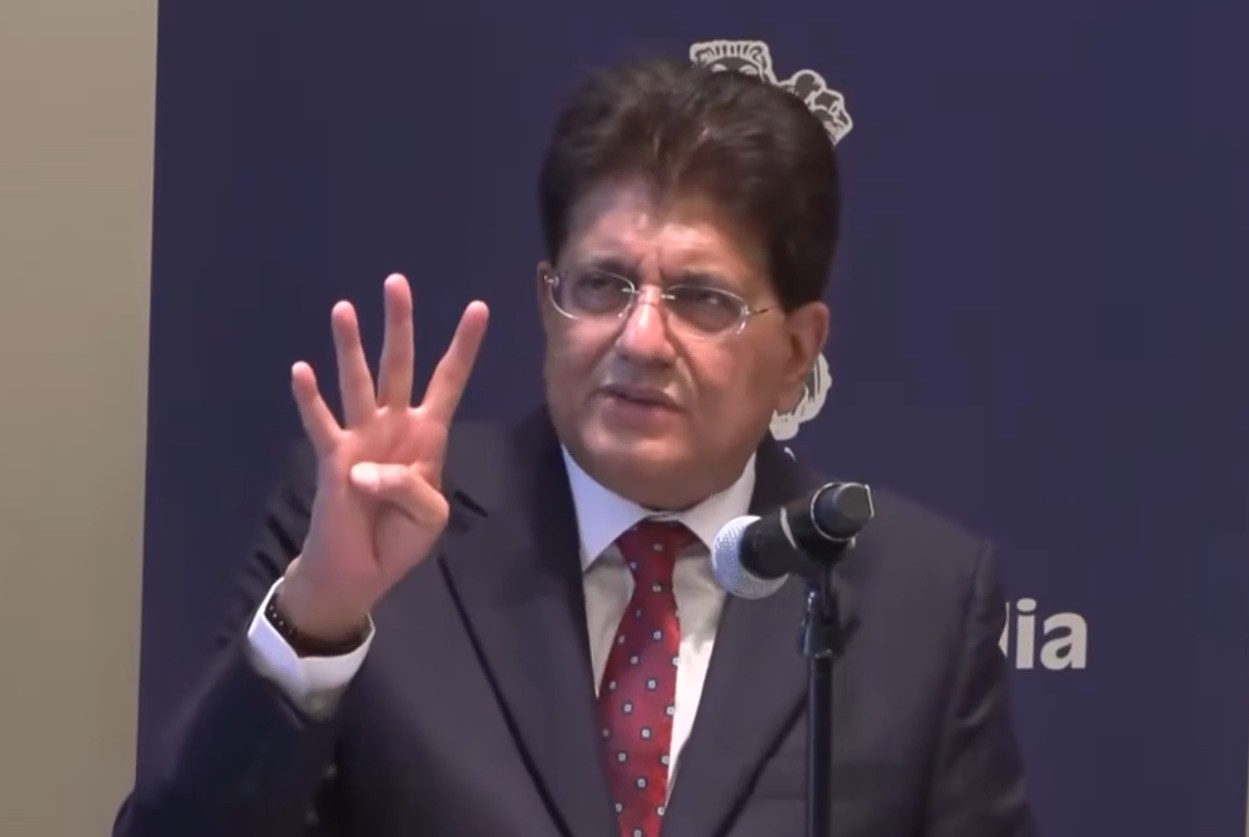
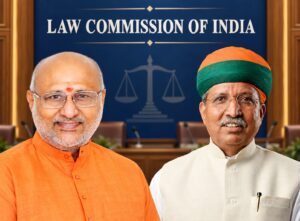
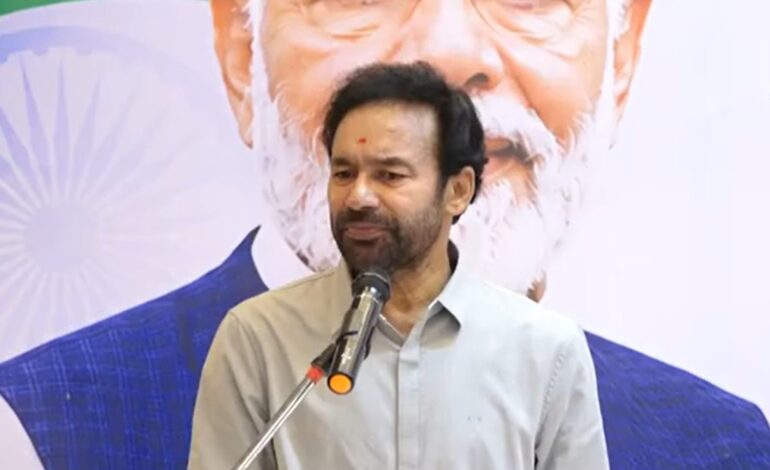
In recent months, political exchanges surrounding Union Minister G. Kishan Reddy have generated considerable discussion in Telangana. Political criticism is neither unusual nor undesirable in a democracy. However, when development issues are examined objectively, a legitimate question arises: can one entirely overlook the role played by leaders who have consistently represented Telangana’s concerns before the Union Government, coordinated with central ministries and pursued major infrastructure and development projects over an extended period?
The answer requires an assessment based on outcomes rather than partisan preferences.
Over the past decade, Telangana has witnessed substantial expansion in railway infrastructure, national highways, industrial investments, educational institutions, tourism initiatives and welfare programmes supported by the Union Government. The State’s railway allocation for 2026–27 stands at approximately ₹5,454 crore. Railway projects worth nearly ₹47,984 crore are currently under implementation. These include new lines, doubling projects, electrification works, station redevelopment initiatives and safety modernisation programmes.
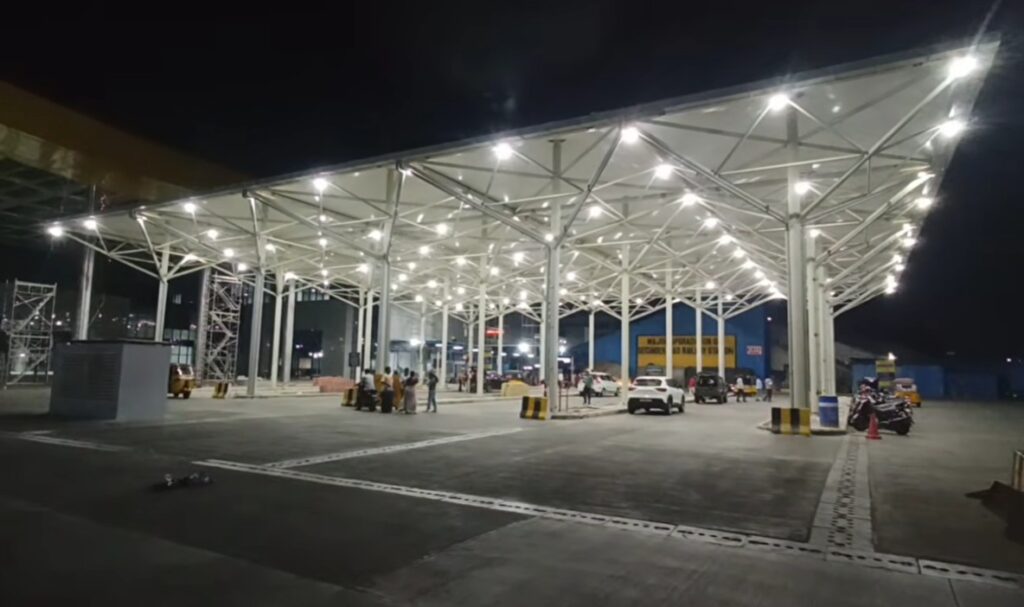
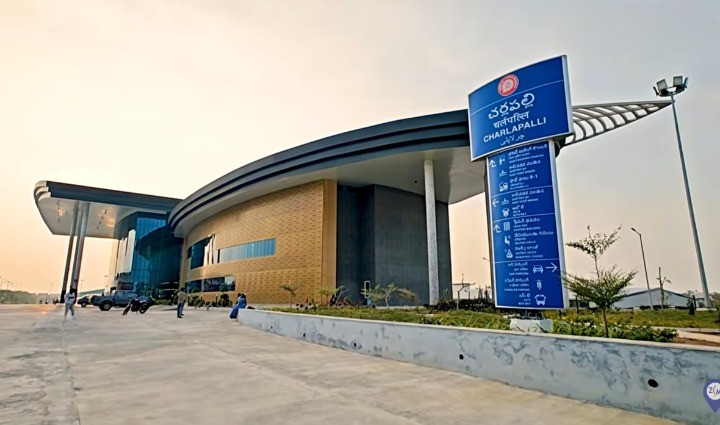
The redevelopment of Secunderabad Railway Station, the development of the Charlapalli Satellite Terminal, expansion projects at Kazipet and the inclusion of forty stations under the Amrit Bharat Station Scheme represent investments that will shape Telangana’s transport landscape for decades. These projects did not emerge overnight. They required sustained follow-up, administrative coordination and continuous engagement between the State and the Union Government.
Similarly, the approval of the ₹7,597.16 crore national highway project covering major stretches in northern Telangana marks another significant milestone. Improved connectivity between districts such as Nizamabad, Jagitial, Karimnagar and Mancherial is expected to facilitate faster movement of agricultural produce, strengthen logistics networks and improve regional competitiveness. Infrastructure is often discussed in technical terms, yet its real impact is economic and social. Better roads reduce transportation costs, improve market access and create conditions conducive to investment.
Industrial development provides another illustration of this broader transformation. The National Investment and Manufacturing Zone at Zaheerabad and the PM MITRA Mega Textile Park at Warangal have the potential to strengthen Telangana’s manufacturing ecosystem. Large industrial projects do more than attract capital. They stimulate ancillary industries, create employment opportunities, expand service sectors and contribute to long-term regional development. Their success will ultimately depend on effective implementation, but their strategic significance is undeniable.
The rural dimension of Telangana’s development story deserves equal attention. Agriculture continues to support millions of livelihoods across the State. Programmes such as PM-KISAN, crop insurance initiatives, Kisan Credit Cards and agricultural infrastructure support mechanisms have expanded the range of institutional support available to farmers. Equally important has been the expansion of banking access through the Pradhan Mantri Jan Dhan Yojana. Telangana today has more than 13.2 million Jan Dhan accounts with deposits exceeding ₹5,867 crore, reflecting a deeper integration of ordinary citizens into the formal financial system.
Access to safe drinking water has also witnessed notable progress. Under the Jal Jeevan Mission, nearly 5.4 million rural households in Telangana have been provided tap water connections. Such initiatives may not always dominate political headlines, yet their effect on daily life is profound. Reduced drudgery for women, improved public health outcomes and enhanced quality of life are among the long-term benefits that often escape immediate political attention.
Women’s empowerment, youth development and digital governance form another important dimension of the State’s changing landscape. Expanded banking access, entrepreneurship support, skill development programmes, digital services and social welfare initiatives have collectively widened opportunities for sections of society that were previously underserved. These developments should not be viewed in isolation. Infrastructure, industrial growth, financial inclusion, social welfare and digital transformation are interconnected elements of a broader development process.
The larger lesson from Telangana’s experience is the importance of cooperative federalism. Despite political differences between governments at the Centre and in the State, major projects have continued to move forward. Railway corridors do not carry a party label. National highways do not distinguish between supporters and opponents of a government. Educational institutions and development programmes ultimately serve citizens irrespective of political affiliation.
This is precisely why the debate on development must rise above partisan considerations. A mature democracy requires the ability to recognise contributions wherever they originate. To claim that every achievement belongs exclusively to one government or one individual would be an oversimplification. Equally, to dismiss the role of those who have consistently pursued Telangana’s interests at the national level would be equally inaccurate.
In this context, the contribution of Union minister G. Kishan Reddy, who is representing Secunderabad Lok Sabha constituency, deserves objective consideration. Whether one agrees with his politics or not, his sustained engagement on railway expansion, national highway projects, tourism initiatives, cultural preservation efforts and tribal development programmes has been visible over the years. Political disagreements may persist, but public life should ultimately be evaluated through measurable outcomes and sustained public service.
As Telangana enters its thirteenth year, the challenge before policymakers is not merely to celebrate achievements but to build upon them. The state possesses significant strengths: a young population, entrepreneurial energy, agricultural potential, industrial capacity and technological capability. Harnessing these strengths requires continued investment, institutional stability and constructive cooperation across levels of government.
In the end, political disagreements are inevitable in a democracy. Governments change, slogans evolve and public debates shift with time. What endures, however, are the institutions created, the infrastructure built and the opportunities generated for future generations. A railway corridor continues to serve long after a political speech is forgotten. A national highway transforms regional economies long after an electoral contest has passed. A university shapes lives for decades beyond the tenure of any government.
That is why Telangana’s development story cannot be viewed through a purely partisan lens. It is a story of cooperative federalism, sustained public investment and persistent institutional engagement. In that larger narrative, the contribution of the Union Government and the role played by leaders who consistently advocated the State’s interests at the national level deserve fair recognition. Development is rarely the achievement of one individual or one government. It is the cumulative result of vision, continuity and collective effort.
As Telangana enters its thirteenth year and India advances towards the goal of Viksit Bharat, the most meaningful measure of progress will not be political rhetoric but the tangible improvement in the lives of ordinary citizens. That, ultimately, is the standard by which history judges public leadership.