After Fresh LPG Price Hike, Govt Says Indian Consumers Still Pay Among World’s Lowest Rates
The petroleum ministry says Indian households still pay among the world's lowest cooking gas prices as opposition questions timing of justification
The ministry claimed that public sector oil marketing companies are currently absorbing an under-recovery of about ₹700 per cylinder instead of passing the entire burden on consumers.

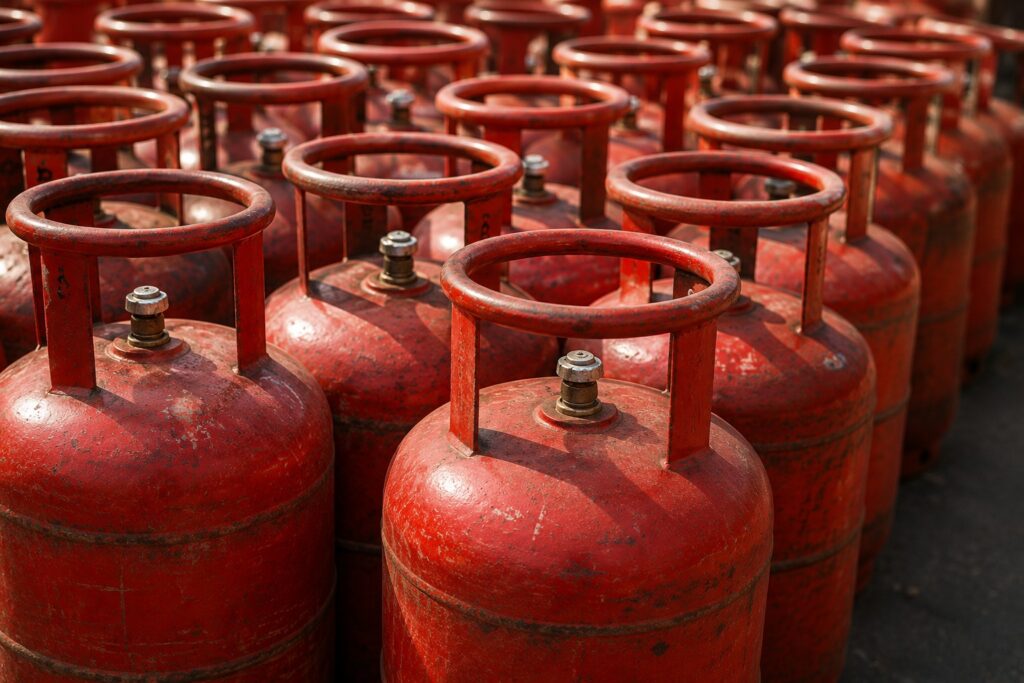
New Delhi: Days after raising domestic cooking gas prices for the second time in three months amid escalating global energy costs, the Union government has launched a public defence of the increases, arguing that Indian households continue to pay among the lowest LPG prices in the world despite the revisions.
The government’s defence comes after two LPG price hikes in the past three months. Oil marketing companies raised the price of a 14.2-kg domestic LPG cylinder by ₹29 on June 7, following an earlier ₹60 increase on March 7, citing rising international energy costs and supply disruptions linked to the conflict in West Asia. The cumulative ₹89 increase has pushed the price of a domestic cylinder in Delhi to ₹942.
In a detailed note issued by the Ministry of Petroleum and Natural Gas on Sunday, the government compared Indian LPG prices with those prevailing in neighbouring countries and advanced economies, asserting that even after the latest revisions, domestic consumers pay significantly less than consumers in Pakistan, Nepal, Bangladesh, Sri Lanka, the United States, Australia and Canada.
The release comes against the backdrop of three cooking gas price increases within a matter of weeks, triggering concerns among households already grappling with rising living costs. The latest revision has pushed the price of a 14.2-kg domestic LPG cylinder in Delhi to ₹942, while beneficiaries under the Pradhan Mantri Ujjwala Yojana effectively pay ₹642 after receiving the ₹300-per-cylinder subsidy on eligible refills.
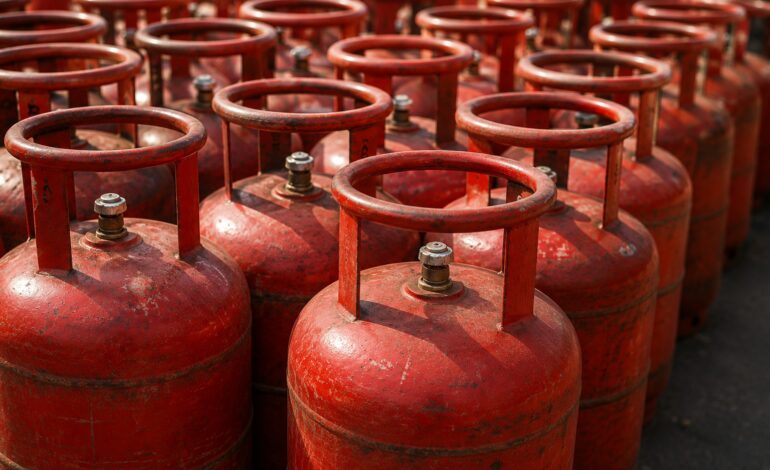
According to the government, the cost of supplying a domestic LPG cylinder has now exceeded ₹1,600 because of a sharp rise in international LPG benchmark prices following disruptions in West Asia and shipping challenges through the Strait of Hormuz. The ministry claimed that public sector oil marketing companies are currently absorbing an under-recovery of about ₹700 per cylinder instead of passing the entire burden on consumers.
The government’s note highlighted that Saudi Contract Prices (CP), which serve as a key benchmark for LPG imports, have risen by about 46 per cent since February, increasing from around $543 per tonne before the Hormuz disruption to about $790 per tonne in June. India imports nearly 60 per cent of its LPG requirements, making domestic prices vulnerable to global market movements.
To strengthen its case, the ministry released comparative figures showing that a Ujjwala beneficiary in India pays ₹642 per cylinder, compared with ₹1,046 in Pakistan, ₹1,207 in Nepal, about ₹1,225 in Bangladesh and ₹1,241 in Sri Lanka. Prices in advanced economies were shown to be even higher, ranging from approximately ₹1,755 in the United States to ₹2,411 in Canada.
Critics, however, argue that international comparisons do little to address the impact of repeated price hikes on Indian households, particularly when domestic incomes and purchasing power differ significantly from those in advanced economies. They contend that consumers ultimately judge affordability not by global rankings but by the share of household income spent on essential fuels.
The government has maintained that domestic LPG prices remain regulated and are not directly linked to monthly international fluctuations unlike commercial LPG cylinders used by hotels and businesses. It also pointed to Cabinet-approved compensation of ₹30,000 crore to oil marketing companies and continued subsidy support for more than 10 crore Ujjwala beneficiaries as evidence of efforts to shield consumers from the full impact of global energy shocks.
The unusual decision to issue a detailed international price comparison immediately after successive LPG price increases underscores the political and economic sensitivity surrounding cooking gas costs, which directly affect millions of households across the country. As global energy markets remain volatile, the debate is likely to continue over how much of the burden should be borne by consumers, oil companies and the government.
| Country/Market | Price per 14.2 kg LPG Cylinder (₹) | Difference from Ujjwala Price (₹642) |
|---|---|---|
| India (Ujjwala beneficiary) | 642 | — |
| India (General consumer, Delhi) | 942 | +300 |
| Pakistan | 1,046 | About 39% higher |
| Nepal | 1,207 | About 47% higher |
| Bangladesh | ~1,225 | About 48% higher |
| Sri Lanka | 1,241 | About 48% higher |
| United States | ~1,755 | About 63% higher |
| Australia | ~1,765 | About 64% higher |
| Canada | ~2,411 | About 73% higher |
Additional figures cited by the government:
| Item | Amount |
|---|---|
| Current retail price (general consumer, Delhi) | ₹942 |
| Effective Ujjwala price (after subsidy) | ₹642 |
| Estimated cost of supplying one cylinder | Over ₹1,600 |
| Under-recovery absorbed per cylinder | About ₹700 |
| Increase in Saudi LPG benchmark price since February 2026 | About 46% |
The government’s comparison is based on nominal cylinder prices and does not account for differences in income levels, purchasing power, wages, or cost of living across countries. Critics argue that affordability should be measured relative to household income rather than absolute LPG prices.