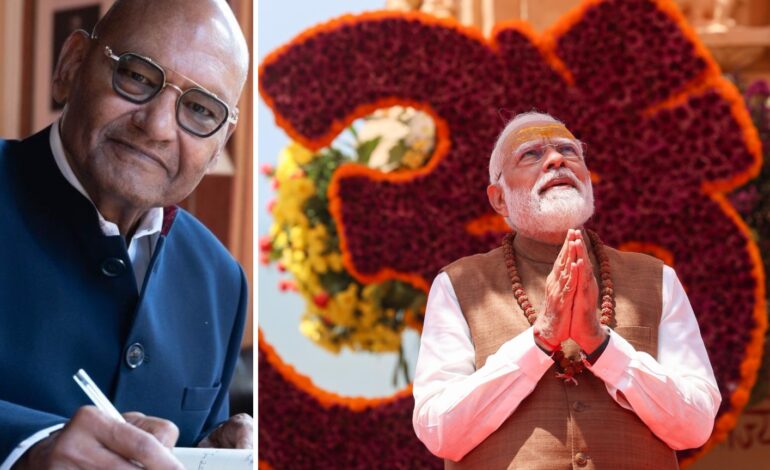
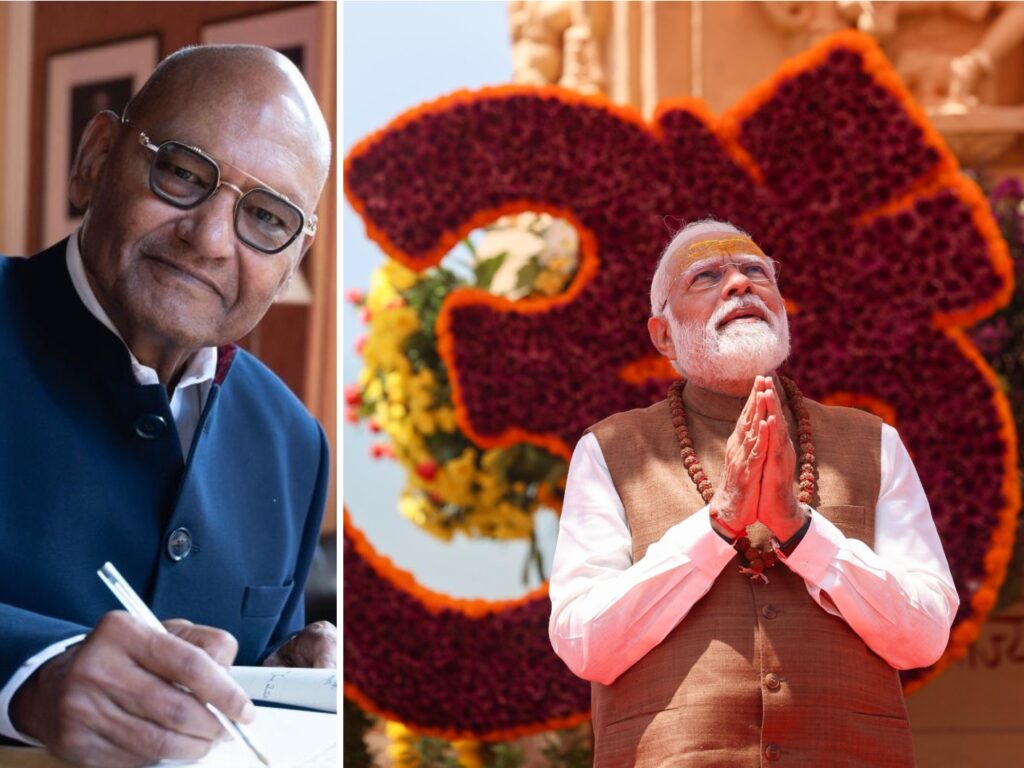
Vedanta Chairman Anil Agarwal Backs PM Modi’s Trust-Based Governance Model to Boost Manufacturing, Jobs
The Vedanta Chairman also welcomed the recently enacted Jan Vishwas reforms, saying they could help reshape India’s regulatory environment by reducing unnecessary compliance burdens and encouraging entrepreneurship and investment.
In a public statement shared on X, Agarwal highlighted how India’s transition toward “minimum government, maximum governance” has already transformed citizen experiences in areas such as airport customs clearance and income tax administration.

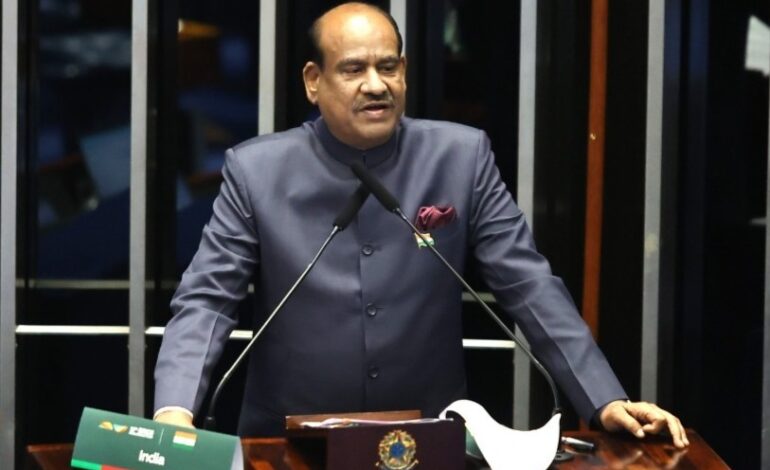
New Delhi: Vedanta Chairman Anil Agarwal has strongly endorsed Prime Minister Narendra Modi’s trust-based governance and regulatory reforms, stating that reduced bureaucratic friction and simplified compliance systems could significantly accelerate manufacturing growth, employment generation, and India’s journey toward becoming a developed economy.
In a public statement shared on X, Agarwal highlighted how India’s transition toward “minimum government, maximum governance” has already transformed citizen experiences in areas such as airport customs clearance and income tax administration.
“Today, 99.9 percent of passengers move through airports without waiting or checking. Even income tax payments involve no interface with officials. This is the Prime Minister’s vision of minimum government, maximum governance in practice,” Agarwal said while referring to the Centre’s growing reliance on trust-based systems.
The Vedanta Chairman also welcomed the recently enacted Jan Vishwas reforms, saying they could help reshape India’s regulatory environment by reducing unnecessary compliance burdens and encouraging entrepreneurship and investment.
According to Agarwal, the core responsibility of governments should be to promote economic development and job creation through manufacturing-led growth.
“The primary objective of any government is to promote economic development and job creation through manufacturing. That is what grows GDP, creates jobs and contributes revenue to the exchequer,” he said.
Calling for a major shift in regulatory philosophy, Agarwal argued that trust-based regulation should become the default approach except in serious cases involving arms smuggling, narcotics, or human trafficking.
He also cited AI-driven analysis indicating that India issues significantly higher regulatory notices compared to several other countries despite relatively lower production levels.
“AI has revealed that if other countries issue 100 notices, India issues 800 — and with one-third production levels,” he observed, adding that excessive compliance activity often diverts both businesses and officials away from productive economic work.
Agarwal said the Jan Vishwas philosophy could become a major catalyst for economic expansion by building greater trust, respect, and encouragement for entrepreneurs and industry leaders.
“All that is required is a smooth road with no speed breakers, just like the Government has done for national highways, where vehicles don’t stop to pay tolls because the process is automated,” he said.
He added that a trust-driven policy framework would strengthen India’s efforts to reduce import dependence and support the Prime Minister’s vision of “Viksit Bharat.”