RVNL CMD Reviews Progress of Rishikesh–Karnaprayag Rail Project, Sets 2028 Commissioning Target
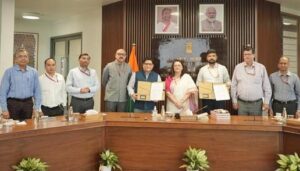
New Delhi: Saleem Ahmad, Chairman and Managing Director of Rail Vikas Nigam Limited (RVNL), undertook a two-day visit to the Rishikesh–Karnaprayag New Broad Gauge Rail Link Project on February 2
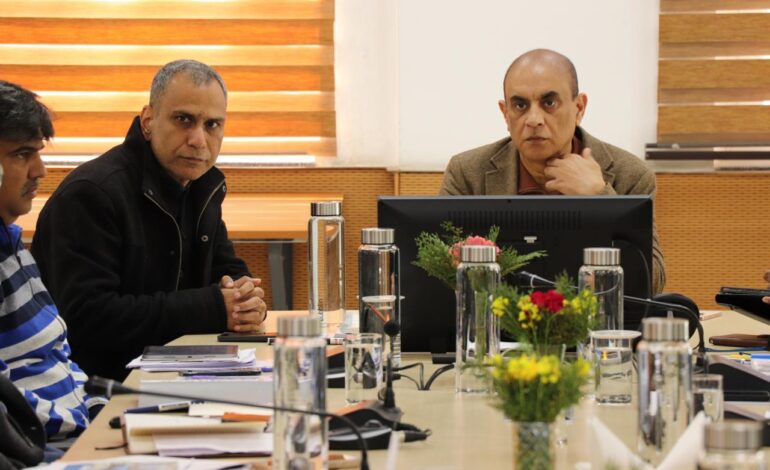
Saleem Ahmad, chairman and managing director of Rail Vikas Nigam Limited (RVNL), undertook a two-day visit to the Rishikesh–Karnaprayag New Broad Gauge Rail Link Project on February 2 and 3, during which he conducted a comprehensive review of progress, inspected key construction sites and interacted with project teams working on the strategically critical Himalayan corridor.

New Delhi: Saleem Ahmad, Chairman and Managing Director of Rail Vikas Nigam Limited (RVNL), undertook a two-day visit to the Rishikesh–Karnaprayag New Broad Gauge Rail Link Project on February 2 and 3, during which he conducted a comprehensive review of progress, inspected key construction sites and interacted with project teams working on the strategically critical Himalayan corridor.
The 125-km Rishikesh–Karnaprayag rail link, being executed by RVNL for Indian Railways in Uttarakhand, is among India’s most ambitious infrastructure projects in mountainous terrain. The line is designed to provide all-weather, landslide-resilient rail connectivity to the Garhwal Himalayas.
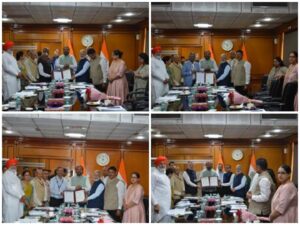
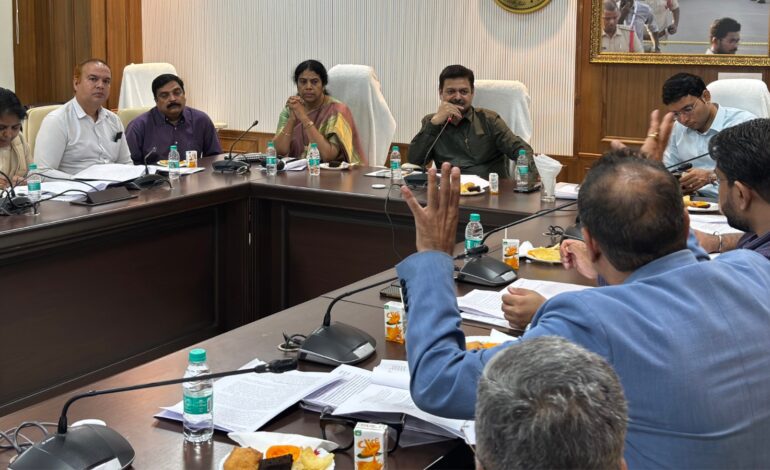
On the first day of the visit, Ahmad chaired an extended review meeting with senior officials, engineers, contractors, and national and international tunnelling experts associated with various project packages. Discussions focused on construction progress, geological challenges, tunnelling milestones, safety protocols and adherence to timelines. The CMD directed that the project be commissioned positively in 2028, stressing that speed of execution must not come at the cost of quality or safety.
He underlined that the Rishikesh–Karnaprayag rail corridor is not merely an engineering milestone but a transformational project that will redefine mobility in the Himalayan region by connecting remote hinterlands with reliable rail infrastructure. The possibility of developing road tunnels alongside railway tunnels was also discussed as a means to enhance road safety, connectivity and overall infrastructure utility in the hilly terrain.
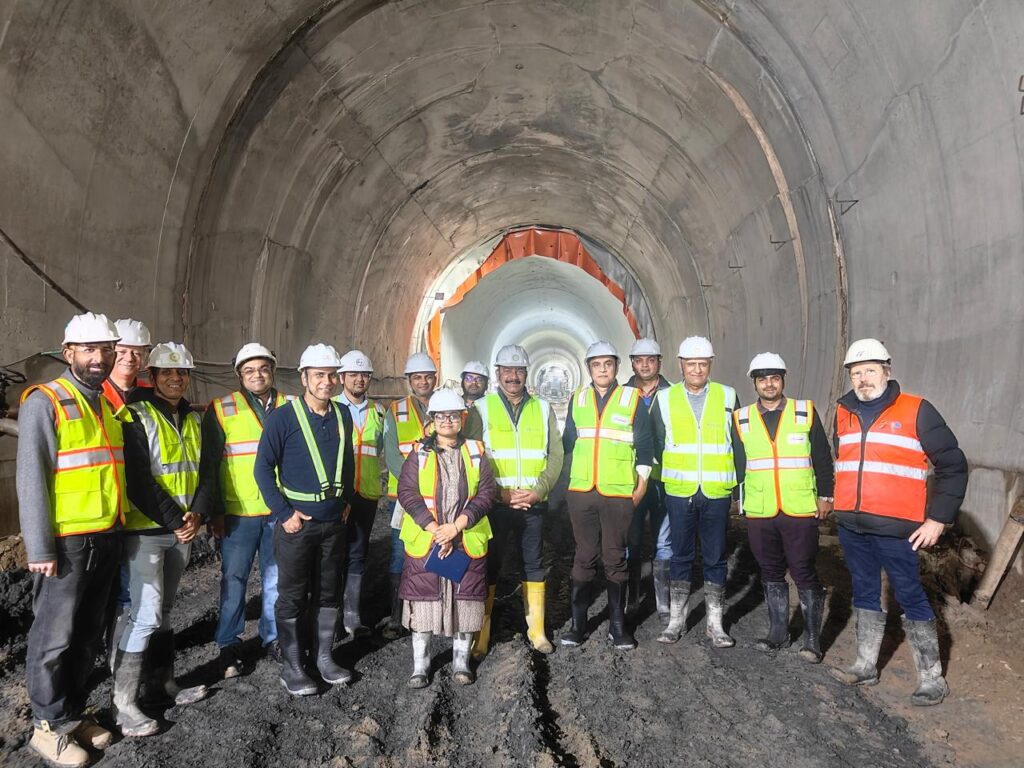
During on-site inspections on the second day, Ahmad reviewed tunnelling works, bridges and station locations, assessing construction quality, safety practices and environmental safeguards. He interacted with workers and technical teams, acknowledging their efforts in executing the project under challenging Himalayan conditions. He reiterated that environmental impacts arising from construction would be mitigated through green area development and extensive plantation.
Reaffirming RVNL’s execution philosophy, the CMD outlined key focus areas including disciplined speed and timelines, structural quality and durability, workforce and asset safety, environmental sustainability, adoption of advanced technology and mechanisation, and workforce welfare.
The CMD also reviewed how complex geological conditions—such as fractured rock strata, heavy groundwater ingress, seismic vulnerability and extreme weather—are being addressed through advanced construction methods, including tunnel boring machines (TBMs), automated drill jumbos, robotic shotcrete systems, pipe roofing, grouting techniques and seismic-resistant tunnel and bridge designs.
In a statement, Ahmad said the tunnelling-intensive rail project has the potential to become a “true game changer” for the country’s infrastructure development. He described the corridor as a transformational lifeline for the Himalayan region and said the project showcases RVNL’s capability to deliver complex infrastructure in difficult terrains through disciplined planning and coordinated execution.
The project aims to provide safe, reliable and all-weather rail connectivity to five Uttarakhand districts—Dehradun, Tehri Garhwal, Pauri Garhwal, Rudraprayag and Chamoli—reducing reliance on fragile road networks often disrupted by landslides and extreme weather. Around 83% of the alignment, or about 104 km, passes through tunnels, including 16 main tunnels and multiple escape tunnels, along with 19 major and 31 minor bridges.
A key milestone has been the completion of Tunnel-8, a 14.58-km twin-tube tunnel—the longest transportation tunnel in India—constructed using TBMs in young and tectonically active Himalayan geology. Once completed, the rail link is expected to cut travel time between Rishikesh and Karnaprayag from about seven hours to nearly two and a half hours, boost tourism and trade, enhance disaster resilience and potentially serve as a feeder corridor for future Char Dham rail connectivity.
RVNL said the project continues to progress steadily, with track-laying under way and electrical, signalling and station works scheduled in phases over the coming months.