Rashtriya Gramin Vikas Sammelan 2026 Charts Roadmap for Viksit Bharat, Showcases Women-Led Rural Enterprises
Centre and States outline next phase of rural transformation; Ministry launches 'SARAS Shakti' Collection and Coffee Table Book to strengthen women SHG brands
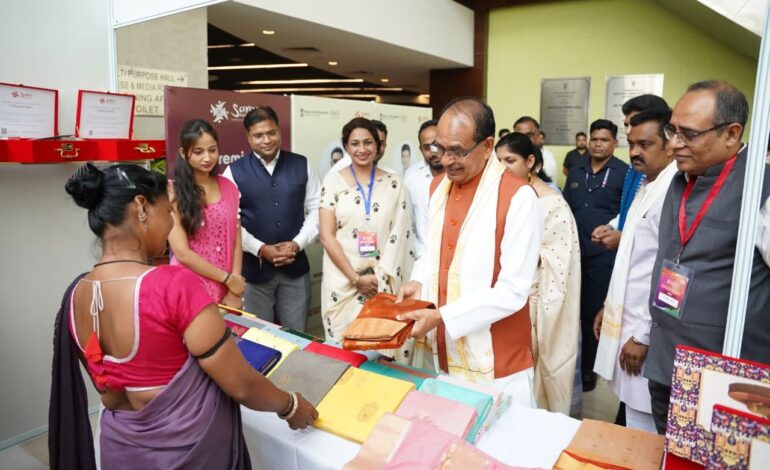
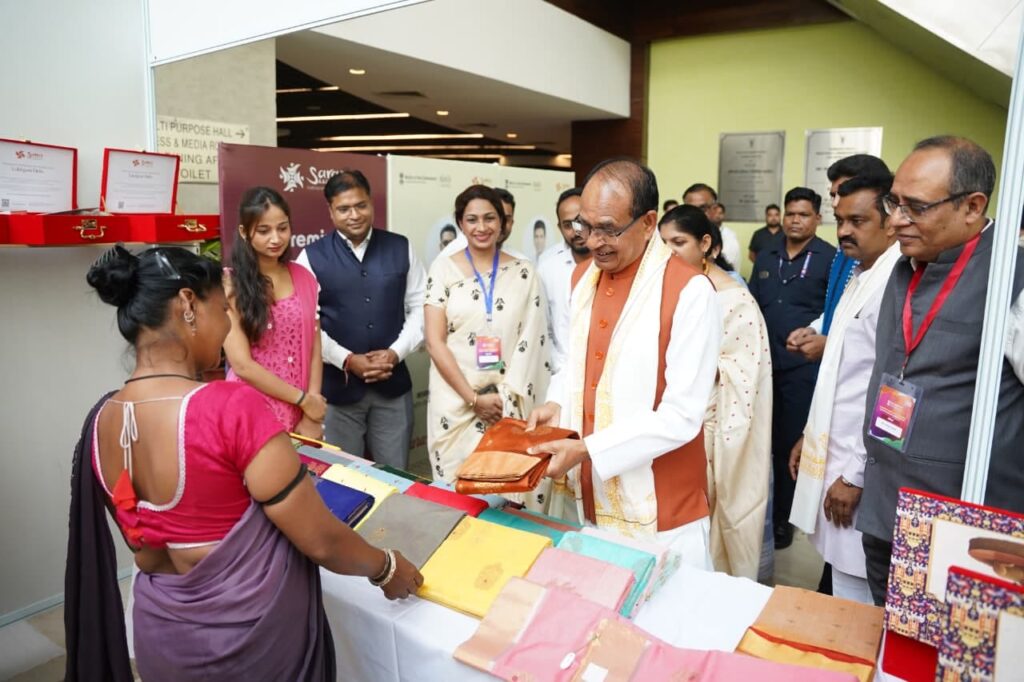
Union Minister for Rural Development and Agriculture & Farmers' Welfare Shivraj Singh Chouhan visits the exhibition at the Rashtriya Gramin Vikas Sammelan (RGVS) 2026, showcasing products crafted by women-led Self-Help Groups (SHGs) and rural enterprises from across the country.

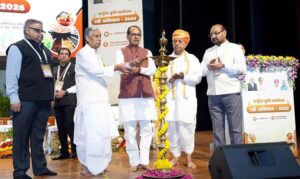
NEW DELHI: The Rashtriya Gramin Vikas Sammelan (RGVS) 2026 concluded with a renewed commitment to accelerate rural transformation through stronger Centre-State collaboration, technology-driven governance and community-led development, while unveiling the ‘SARAS Shakti’ Collection and a Coffee Table Book showcasing products created by women-led Self-Help Groups (SHGs).
Organised by the Ministry of Rural Development, the two-day national conclave brought together Rural Development Ministers from States and Union Territories, senior government officials, State Rural Livelihood Missions (SRLMs), development partners and subject experts to review flagship rural development programmes and chart the roadmap towards the vision of ‘Viksit Gram, Viksit Bharat.’
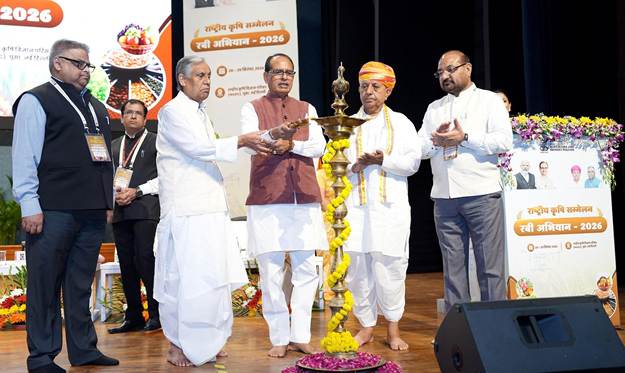
The Sammelan was inaugurated by Union Minister for Rural Development and Agriculture & Farmers’ Welfare Shivraj Singh Chouhan in the presence of Minister of State for Rural Development and Communications Dr Chandra Sekhar Pemmasani and Minister of State for Rural Development Kamlesh Paswan.
Focus on flagship rural development programmes
The conclave reviewed the implementation of several key government programmes, including the Pradhan Mantri Awas Yojana-Gramin (PMAY-G), Pradhan Mantri Gram Sadak Yojana (PMGSY), Deendayal Antyodaya Yojana-National Rural Livelihoods Mission (DAY-NRLM), Rural Skill Development Programmes and the National Social Assistance Programme (NSAP).
A major focus of the discussions was the implementation of the VB-GRAMG Act, 2025, alongside strategies to strengthen Gram Panchayats, improve rural housing and connectivity, promote climate-resilient livelihoods and expand women-led entrepreneurship.
Delegates also deliberated on leveraging digital technologies to support the government’s ambitious target of creating 6 crore Lakhpati Didis by 2029, while sharing successful rural development models from different States for wider adoption.
Spotlight on women-led enterprises
One of the key highlights of the Sammelan was the launch of the SARAS Shakti Collection and the SARAS Shakti Coffee Table Book, aimed at strengthening the national identity of products manufactured by women Self-Help Groups under the DAY-NRLM.
The curated collection showcases premium products developed by women entrepreneurs across the country, while the Coffee Table Book documents the diversity, craftsmanship, quality and market potential of SHG products.
The initiative is expected to enhance branding, improve market access and position rural products in premium retail and institutional markets.
The Ministry noted that the DAY-NRLM currently supports more than 10 crore women organised into Self-Help Groups, making it one of the world’s largest women-led community development programmes.
Saras Aajeevika continues to expand
The Sammelan also highlighted the growth of Saras Aajeevika, the national marketing platform for SHG products.
Since the launch of the first Saras Mela in 1999, the initiative has expanded into a nationwide marketing ecosystem comprising more than 25 State brands, generating annual business exceeding ₹200 crore.
Delegates visited the Saras Aajeevika Gallery, which displayed a wide range of rural products, including handlooms, textiles, home décor, handicrafts, wellness products and traditional foods from across India.
The exhibition featured regional crafts such as Phulkari from Punjab, Pashmina from Jammu & Kashmir, Ikat and Telia textiles from Telangana, Paunchei from Mizoram, along with Meenakari, Dokra, brasswork and woodcraft products.
The gallery also showcased the success stories of Lakhpati Didis, demonstrating how branding, product development and market linkages are enabling rural women to build sustainable enterprises.
Why this matters
The Rashtriya Gramin Vikas Sammelan has reinforced the government’s strategy of integrating rural infrastructure, digital governance, livelihood generation and women-led entrepreneurship into a unified rural development framework.
With over 10 crore women participating in Self-Help Groups and increasing emphasis on branding, digital marketing and enterprise financing, initiatives such as SARAS Shakti are expected to create new economic opportunities for rural producers while strengthening India’s vision of inclusive, self-reliant and sustainable rural growth under the broader goal of Viksit Bharat.