ePlane selects LYNX MOSA.ic to power safety-critical computing on its e200X electric aircraft
The Chennai-based aerospace company will use a partitioned software platform to run flight-critical vehicle management and lower-criticality mission applications on shared computing modules, while maintaining safety and cybersecurity isolation.

Announced at eVTOL Show USA, the partnership will enable the aircraft to run flight-critical vehicle and energy management systems alongside lower-criticality mission applications on shared onboard computing modules, while maintaining separation between the different software functions.

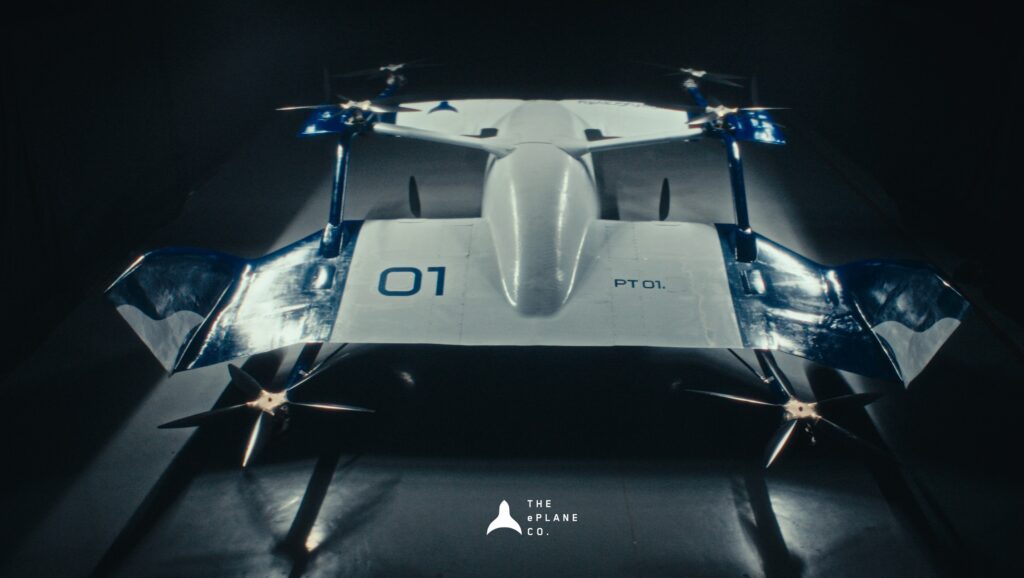
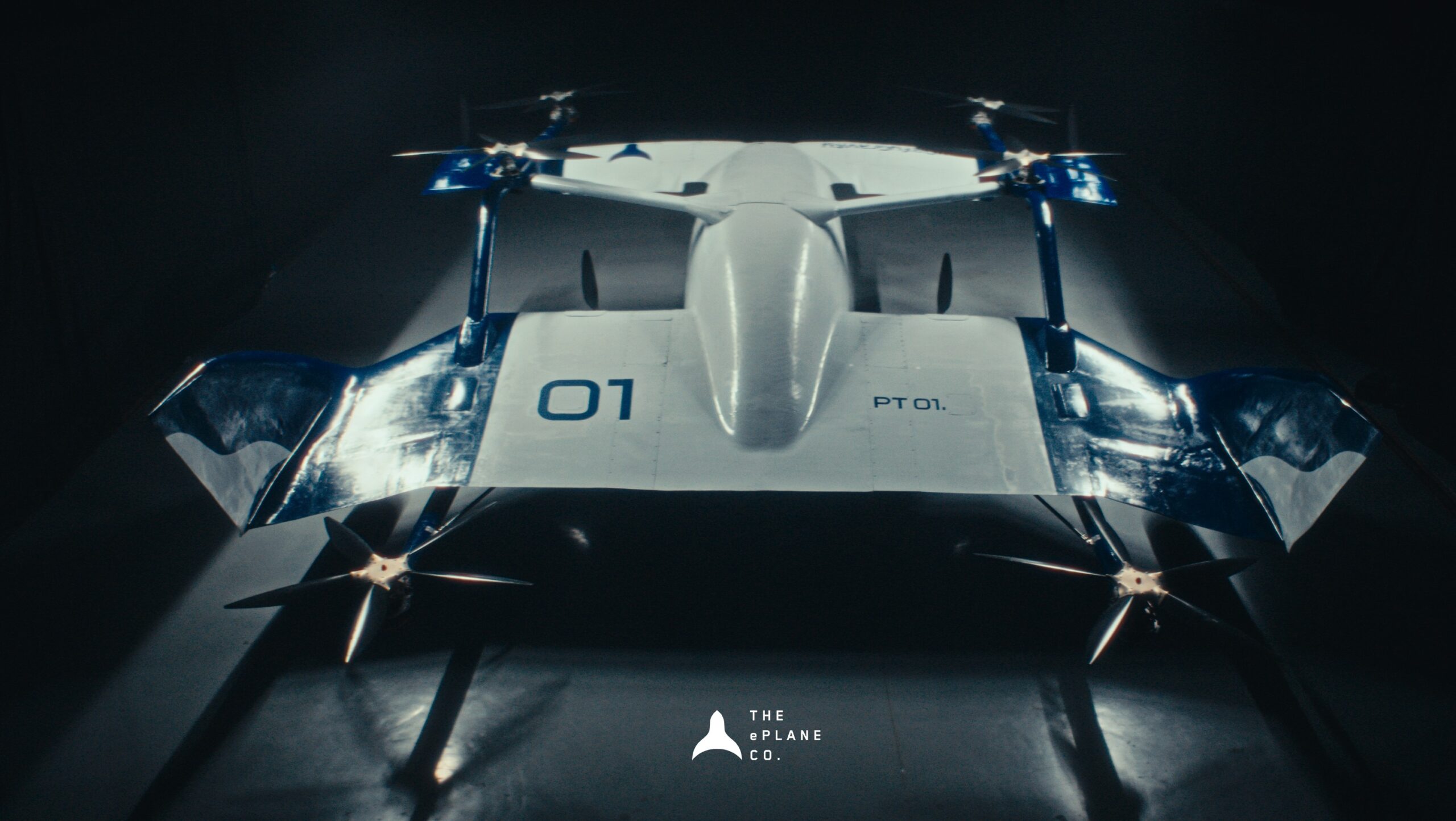
CHENNAI: The ePlane Company has selected LYNX MOSA.ic, a mixed-criticality software platform developed by Lynx Software Technologies, for mission computing on its e200X electric vertical take-off and landing (eVTOL) aircraft.
Announced at eVTOL Show USA, the partnership will enable the aircraft to run flight-critical vehicle and energy management systems alongside lower-criticality mission applications on shared onboard computing modules, while maintaining separation between the different software functions.
The e200X is a three-seat aircraft, comprising one pilot and two passengers, designed around a modular airframe for air ambulance, urban cargo and passenger transport applications. Each configuration will have different payloads, sensor systems and software requirements, while retaining deterministic and certifiable flight control.
Partitioned computing to isolate critical aircraft systems
LYNX MOSA.ic will partition the e200X’s onboard computing environment to allow applications with different levels of criticality to operate on a common platform.
Flight-critical software, including vehicle and energy management systems, will run in ARINC 653 partitions. These will remain isolated from lower-criticality mission functions responsible for sensor data processing and situational awareness inference.
Heavy artificial intelligence processing will run on a separate platform, with the mission system providing controlled interfaces between that computing environment and the rest of the aircraft. The architecture is intended to maintain safety and cybersecurity separation between the different systems.
LYNX MOSA.ic is built around a separation-kernel-based Type 1 hypervisor, which gives individual software applications their own space and time partitions. The platform supports applications with different criticality levels on a shared computing system and is certifiable to DO-178C Design Assurance Level A.
Focus on multi-role electric aviation
Tim Reed, Chief Executive Officer of Lynx, said a multi-role aircraft places greater demands on onboard computing because mission software changes across configurations while flight control must remain isolated and certifiable.
He said the platform would allow ePlane to maintain separation for flight-critical software while its pilot-assistance capabilities evolve to support different aircraft roles.
Prof. Satya Chakravarthy, Founder and Technical Lead of The ePlane Company, said urban air mobility required mission computing that was both certifiably safe and functionally modular.
He said the platform would provide the deterministic partitioning needed to isolate safety-critical systems while enabling engineers to develop additional aircraft functions using familiar tools.
ePlane’s electric aviation development programme
Founded in 2019 and incubated at the IIT Madras Incubation Cell, The ePlane Company operates from the IIT Madras Discovery Campus in Thaiyur, Chennai.
The company says it has a dedicated facility of more than 60,000 sq ft for eVTOL prototyping, manufacturing and testing. It has also accumulated more than 10,000 km of physical flight testing across its ATVA and e50 technology demonstrators.
According to the company, it is the first private aerospace entity in India to receive Design Organisation Approval from the Directorate General of Civil Aviation for electric aircraft. Its e200X is also the first eVTOL aircraft accepted into the DGCA’s official Type Certification pipeline.
The company is developing its aircraft around a patented Synergistic Lift technology and an 8-by-11-metre footprint, with the aim of enabling operations from existing municipal helipads and rooftop locations without requiring specialised vertiports.
The selection of LYNX MOSA.ic adds a software architecture component to the e200X development programme, addressing the challenge of integrating multiple onboard functions while maintaining the safety and reliability requirements of electric aviation.