Rajnath Singh calls for indigenous NDT technologies to strengthen defence self-reliance
At an international NDT conference in Hyderabad, the Defence Minister called for India to develop indigenous inspection technologies, sensors and software, while integrating AI, robotics and digital twins into quality
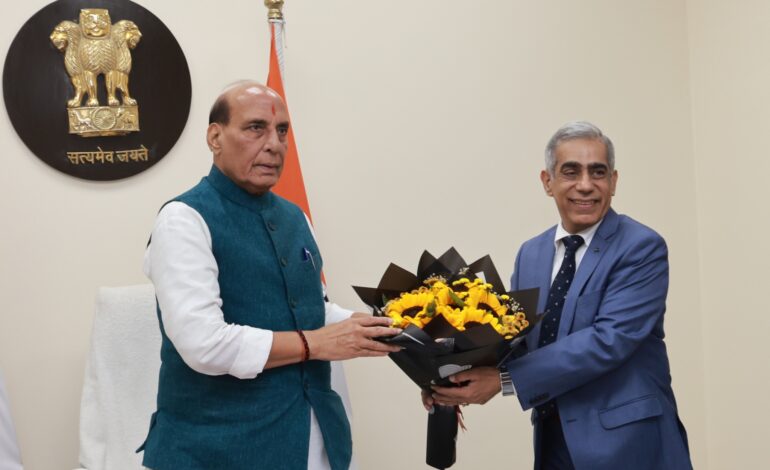
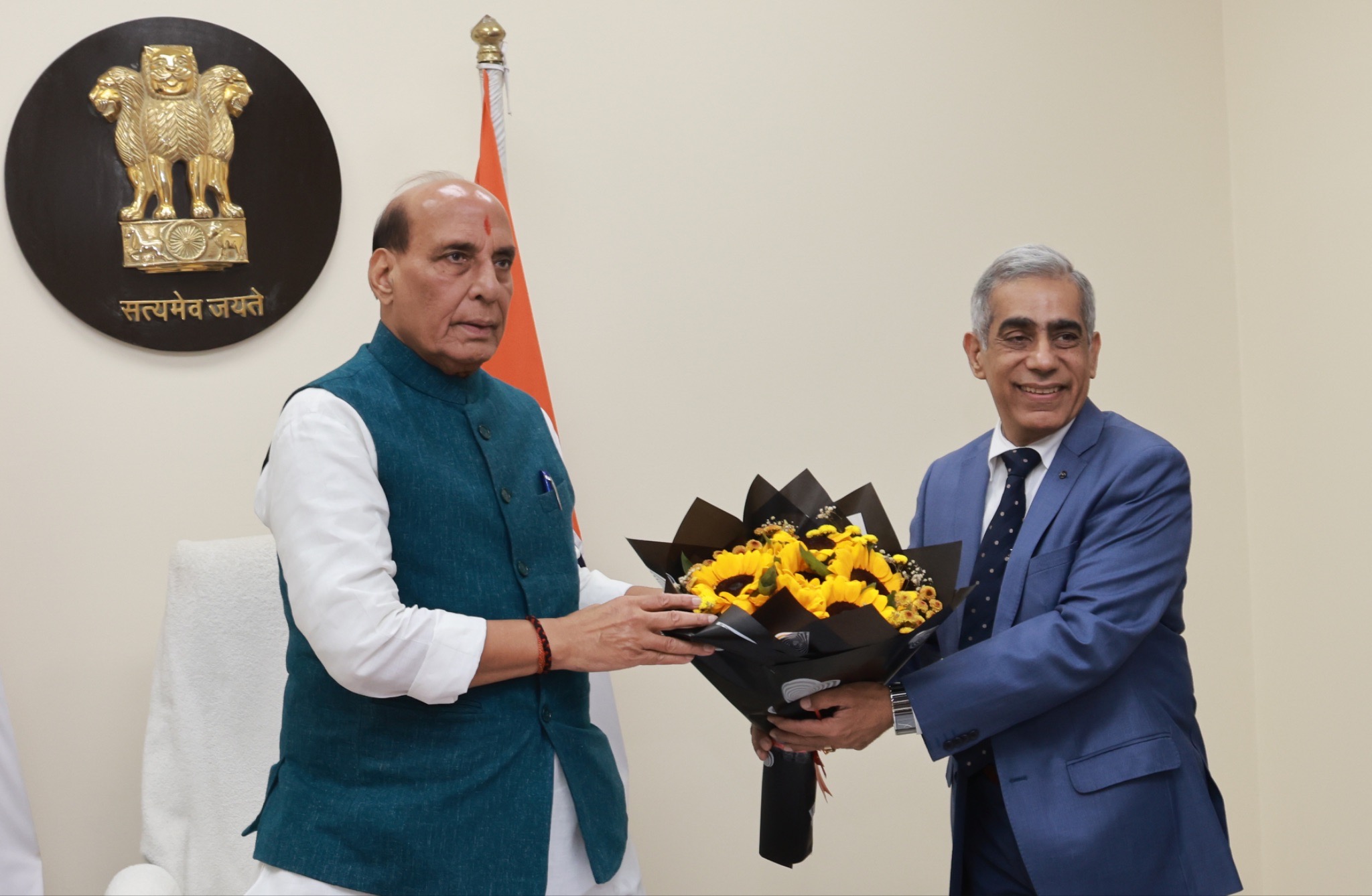
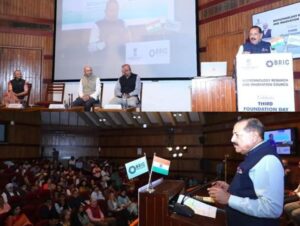
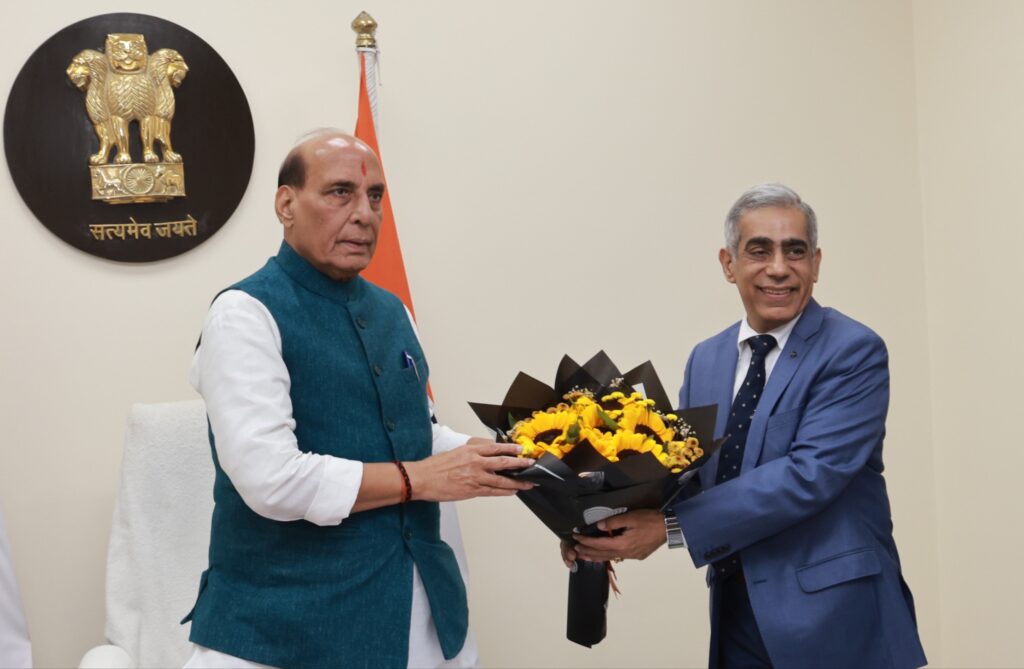
Defence Minister Rajnath Singh virtually addresses the 36th Annual Conference on Non-Destructive Evaluation and Enabling Technologies and the 15th International Symposium on Non-Destructive Testing in Aerospace on November 15, 2026.

HYDERABAD: Defence Minister Rajnath Singh has called for India to develop indigenous capabilities in advanced Non-Destructive Testing (NDT) technologies, specialised sensors, inspection equipment and associated software, saying technological self-reliance is essential to strengthening defence preparedness and securing critical supply chains.
Addressing the 36th Annual Conference on Non-Destructive Evaluation and Enabling Technologies and the 15th International Symposium on Non-Destructive Testing in Aerospace virtually on November 15, Singh said India must move beyond being a user of advanced technologies and emerge as a developer, innovator and global leader.
He stressed that inspection results in strategic applications must be accurate, reliable and traceable, with no compromise on testing integrity.
“India’s pursuit of Aatmanirbharta in defence is not merely an economic objective but also a strategic necessity,” he said.
NDT critical to defence manufacturing quality
Non-Destructive Testing enables the examination of materials, components and structures without damaging them. Techniques such as ultrasound and X-rays can identify internal defects in critical components without dismantling or destroying the equipment.
Singh said the growing sophistication of Indian defence systems makes rigorous quality assurance essential across materials, components, assemblies and manufacturing processes.
Undetected defects can affect operational availability, increase maintenance requirements, shorten equipment life and, in critical situations, jeopardise mission success. He called for a shift from merely identifying defects to preventing them by embedding quality controls at every stage of manufacturing.
He identified public sector undertakings, private manufacturers, start-ups and micro, small and medium enterprises as important participants in building domestic capabilities and maintaining consistent quality standards across the defence industrial ecosystem.
AI, robotics and digital twins to transform inspection
The Defence Minister highlighted the growing role of Artificial Intelligence, Machine Learning, robotics, advanced sensors, digital twins and predictive analytics in non-destructive evaluation and structural health monitoring.
These technologies can improve inspection speed and consistency, help analyse complex data and identify patterns that conventional methods may not easily detect.
He called for integrating established inspection techniques with advanced digital technologies and developing indigenous solutions suited to India’s strategic and industrial requirements. Investment in research, equipment, software and skilled manpower, he said, could also help Indian technologies access international markets.
Industry-academia collaboration gains importance
Singh cited India’s progress in missile development, naval platforms, aerospace engineering, radar systems and space applications as evidence of its expanding indigenous defence capabilities. He also referred to the commissioning of INS Vikrant, India’s first indigenous aircraft carrier, as a milestone in the country’s self-reliance journey.
He highlighted initiatives such as Innovations for Defence Excellence (iDEX) and the Technology Development Fund (TDF), which support innovation, technological development and experimentation in the defence sector.
Calling for closer collaboration among government, industry, academia and research laboratories, he urged professionals in the NDT sector to continuously upgrade their capabilities in response to emerging technologies and changing security requirements.
The three-day conference, organised by the Indian Society for Non-Destructive Testing in Hyderabad, has brought together more than 2,000 professionals, researchers, industry experts and students. It provides a platform for technical discussions, knowledge exchange and collaboration on developments in inspection and evaluation technologies, particularly in defence and aerospace.