PM Family Care Tracker Pilot Launched: A New Digital Identity System to Ensure Every Child Receives Government Benefits
AI-enabled platform integrates birth registration, welfare schemes and health services to build a smarter, more inclusive social protection ecosystem
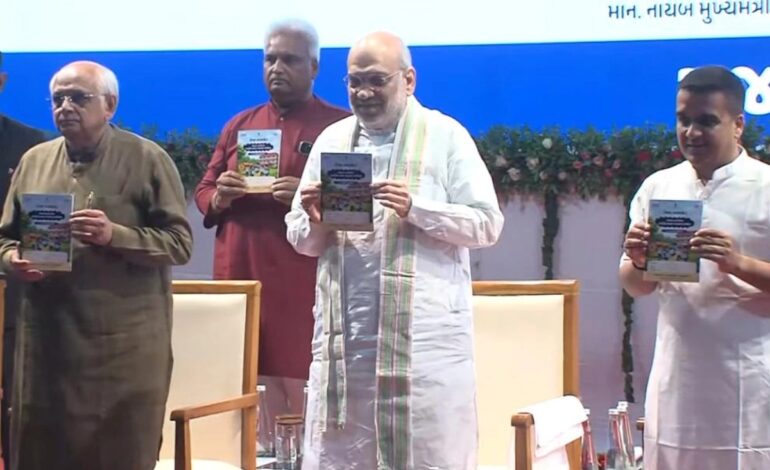
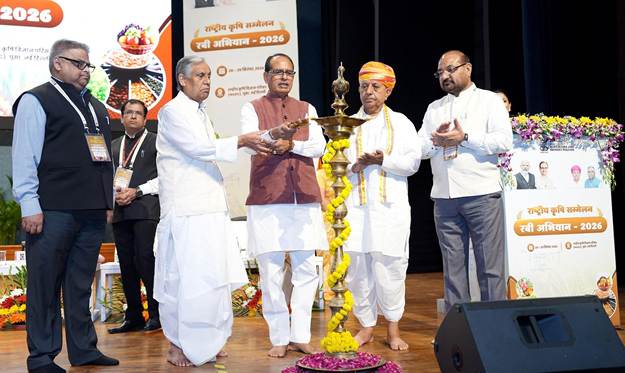
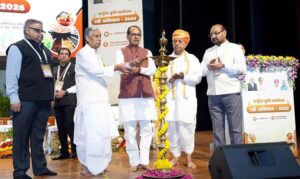
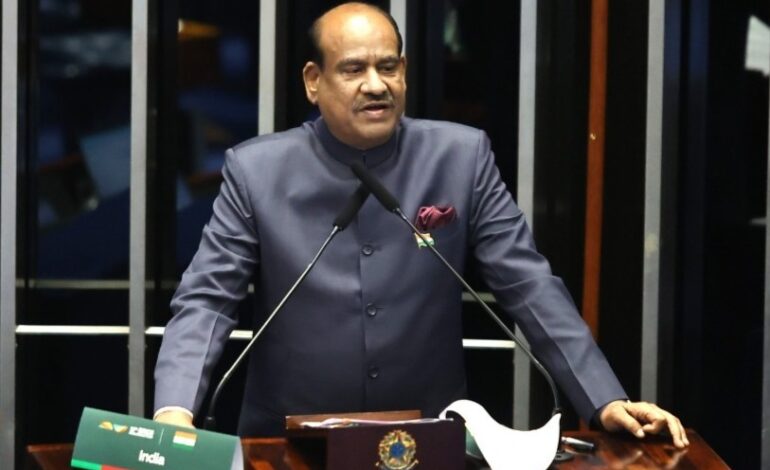
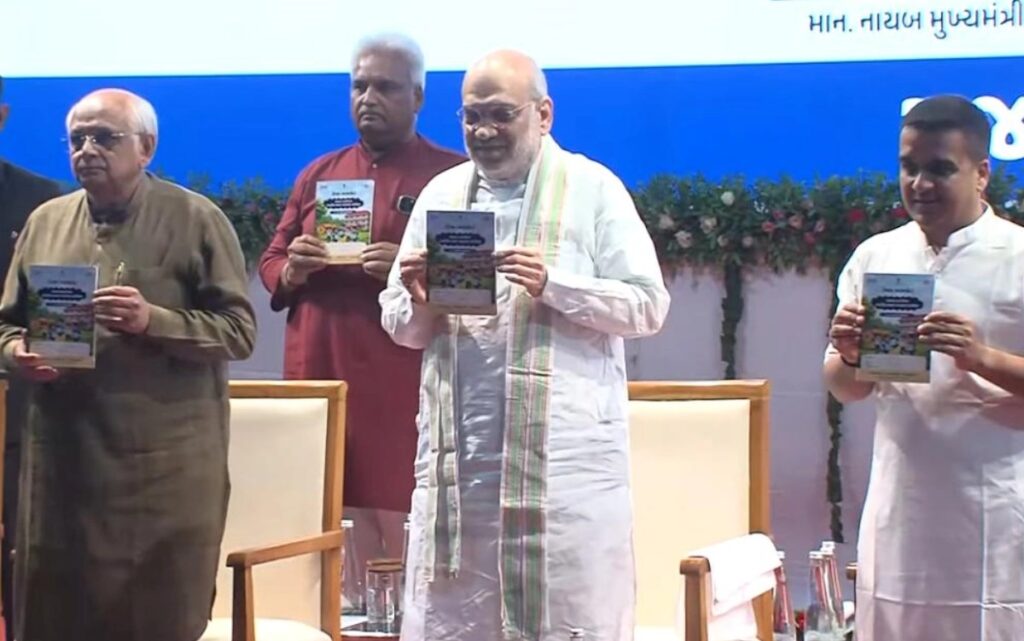
Union Home Minister and Minister for Cooperation Amit Shah inaugurates the pilot project of the PM Family Care Tracker in Gandhinagar, Gujarat, on Sunday.

New Delhi: India has taken another significant step towards technology-driven governance with the launch of the PM Family Care Tracker, an integrated digital platform designed to ensure that government welfare benefits reach every eligible child and family without delays or duplication.
Union Home Minister and Minister for Cooperation Amit Shah inaugurated the pilot project in Gandhinagar, Gujarat, while administering polio drops to children as part of the nationwide immunisation programme. The initiative seeks to create a unified digital framework that connects birth registration, health services and government welfare schemes, enabling beneficiaries to be identified automatically and receive benefits throughout different stages of life.
From birth registration to welfare delivery
The PM Family Care Tracker aims to bridge one of the biggest challenges in public welfare administration—identifying eligible beneficiaries and ensuring they receive the benefits of government schemes in a timely manner.
Under the pilot project, every child will receive a unique digital identification number, linked with birth and death registration databases. This digital identity will serve as the foundation for tracking eligibility across multiple government programmes, allowing departments to deliver benefits proactively instead of requiring citizens to repeatedly apply for individual schemes.
The platform is expected to simplify beneficiary management while reducing duplication, improving transparency and strengthening accountability across welfare programmes.
Building an integrated social protection platform
Unlike conventional beneficiary databases that operate independently within different government departments, the PM Family Care Tracker is designed as an integrated monitoring system.
The platform will consolidate information related to health, nutrition, immunisation and social welfare, enabling authorities to monitor whether eligible children and families are receiving the services intended for them.
“`htmlDigital India Times Digest
Making Today’s News Tomorrow’s Knowledge
AI-Assisted Knowledge Summary👤 Important People
- Shri Amit Shah
- Prime Minister Narendra Modi
🏛 Organizations
- Ministry of Home Affairs
- Ministry of Cooperation
- Government of Gujarat
- Civil Registration Authorities
📜 Government Initiative
PM Family Care Tracker
Integrated digital platform linking birth registration, health services and welfare schemes to ensure every eligible child receives government benefits.
💻 Technology & Digital Infrastructure
- Artificial Intelligence (AI)
- Digital Public Infrastructure (DPI)
- Integrated Beneficiary Database
- Birth & Death Registration Integration
- Data Analytics
📌 Key Facts
- Pilot launched in Gandhinagar, Gujarat.
- Every child receives a unique digital identity.
- Integrates birth registration with government schemes.
- Supports health, nutrition and immunisation tracking.
- Reduces duplication and exclusion errors.
- Enables proactive welfare delivery.
🎯 Key Takeaways
- Strengthens Digital India.
- Builds on India’s DPI ecosystem.
- Improves transparency and accountability.
- Creates lifelong beneficiary tracking.
- Makes welfare delivery citizen-centric.
💡 Why This Matters
India is moving from reactive welfare administration to predictive digital governance. The PM Family Care Tracker can help ensure that eligible citizens automatically receive government benefits through integrated digital platforms, reducing leakages and improving social protection.📚 Exam Relevance
- UPSC GS Paper II – Governance
- UPSC GS Paper II – Social Justice
- UPSC GS Paper III – Science & Technology
- Digital India Mission
- Current Affairs
- State PSC
🧠 Remember These 10 Keywords
PM Family Care Tracker Artificial Intelligence Digital Public Infrastructure Birth Registration Direct Benefit Transfer Aadhaar Beneficiary Identification Social Protection Inclusive Governance Child WelfareBy creating a unified digital record, policymakers will gain better visibility into programme implementation, identify service gaps and ensure that vulnerable households are not left behind.
Strengthening Digital India through data integration
The launch reflects the government’s broader vision of building Digital Public Infrastructure (DPI) that connects citizens, public services and government databases through secure digital platforms.
India has already developed globally recognised digital platforms such as Aadhaar, UPI, DigiLocker, CoWIN and the Direct Benefit Transfer (DBT) ecosystem. The PM Family Care Tracker extends this digital governance model into social welfare by integrating civil registration data with beneficiary identification and programme delivery.
If implemented nationwide, the platform could significantly reduce administrative inefficiencies while improving the accuracy of welfare targeting.
Leveraging Direct Benefit Transfer
Speaking at the launch, Union Home Minister Amit Shah highlighted the transformation brought about by the Direct Benefit Transfer (DBT) system, which enables government assistance to be transferred directly into beneficiaries’ bank accounts.
He noted that over the past decade, DBT has enhanced transparency, minimised leakages and ensured that welfare assistance reaches intended recipients without intermediaries.
The PM Family Care Tracker is expected to build upon this framework by ensuring that eligible beneficiaries are identified automatically, allowing welfare schemes to be delivered seamlessly through existing digital infrastructure.
Health at the centre of family welfare
The launch coincided with the administration of polio drops to children, underlining the platform’s emphasis on preventive healthcare and child development.
The integrated system is expected to support multiple government initiatives covering immunisation, maternal and child health, nutrition, affordable medicines, public health infrastructure and other social welfare programmes.
By maintaining a comprehensive digital profile of beneficiaries, authorities can monitor service delivery more effectively and intervene promptly wherever coverage gaps emerge.
Why this matters
As governments increasingly rely on digital technologies to improve public service delivery, accurate beneficiary identification has become one of the most important pillars of effective governance.
The PM Family Care Tracker represents a shift from reactive welfare administration towards predictive and proactive governance. Instead of waiting for citizens to navigate multiple departments and application processes, the platform seeks to identify eligible beneficiaries automatically and connect them with appropriate schemes throughout their lives.
If successfully expanded beyond the pilot phase, the initiative could become another important component of India’s growing Digital Public Infrastructure ecosystem, improving efficiency, reducing exclusion errors and strengthening the country’s vision of inclusive, technology-enabled governance.
With integrated databases, unique beneficiary identities and continuous monitoring, the PM Family Care Tracker has the potential to redefine how governments deliver social protection—making welfare systems smarter, faster and more citizen-centric.