Government allocates 132 commercial coal blocks to boost domestic output, cut import dependence
India has operationalised 15 commercially auctioned coal blocks while 109 others are under development, as the government accelerates reforms, modern mining technologies and sustainability measures to strengthen energy security.

Since the launch of commercial coal mine auctions in 2020, 132 coal blocks have been allocated under the commercial mining framework.

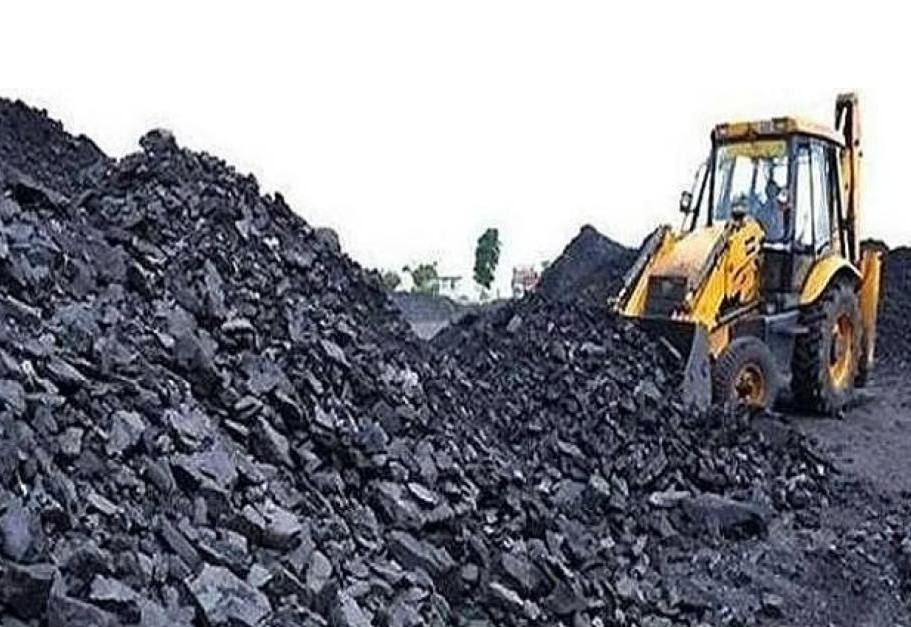
NEW DELHI: The Centre has intensified its push towards coal self-reliance through a series of policy reforms, commercial mining initiatives and infrastructure development, allocating 132 coal blocks for commercial mining while stepping up efforts to reduce dependence on imported coal across key sectors.
In a written reply to the Rajya Sabha, Minister of State for Coal and Mines Satish Chandra Dubey said the government has undertaken multiple legislative and administrative reforms to accelerate domestic coal production and ensure India’s growing energy demand is met primarily through indigenous resources.
Since the launch of commercial coal mine auctions in 2020, 132 coal blocks have been allocated under the commercial mining framework. Of these, 23 mines have received Mine Opening Permission, while production has commenced in 15 blocks. The remaining 109 mines are progressing according to development timelines specified under the Coal Mine Development and Production Agreement.
To speed up mine development, the government has shortened the operationalisation timeline for fully explored coal blocks from 51 months to 40 months and reduced it from 66 months to 52 months for partially explored blocks. Other reforms include the launch of a Single Window Clearance portal, establishment of a Project Management Unit to assist mine developers, liberalisation of commercial mining norms, and allowing 100% foreign direct investment through the automatic route.
The government has also amended the Mines and Minerals (Development and Regulation) Act to permit captive mine operators to sell up to 50% of their annual production in the open market after meeting their captive requirements. Additional incentives have been introduced for coal gasification, liquefaction and underground mining to encourage technological innovation and improve resource utilisation.
Coal India Limited is deploying advanced mining technologies, including continuous miners, longwall mining and highwall mining in underground operations, while expanding the use of high-capacity excavators, dumpers and surface miners in opencast mines. Singareni Collieries Company Limited is simultaneously strengthening coal evacuation infrastructure through new coal handling plants, crushers and logistics facilities.
To curb coal imports, the government has revised the SHAKTI policy to provide greater domestic coal availability to power producers, including imported coal-based plants. It has also increased Annual Contracted Quantity allocations for power plants, extended coking coal linkage tenures up to 30 years and launched the CoalSETU window and the Coking Coal Mission to improve domestic availability for the steel sector.
Alongside production enhancement, the coal sector is adopting sustainability measures including mechanised coal transportation, first-mile connectivity projects, blast-free mining technologies, extensive plantation drives, eco-park development, dust suppression systems, mine water utilisation and scientific mine closure. Commercial mining agreements also require successful bidders to minimise carbon emissions and adopt environmentally responsible mining practices.
The government said rehabilitation and resettlement of project-affected families continue to be governed by the provisions of the Right to Fair Compensation and Transparency in Land Acquisition, Rehabilitation and Resettlement Act, 2013, with compensation, rehabilitation benefits and transparency mechanisms implemented under statutory safeguards.
The reforms form part of the government’s broader strategy to strengthen India’s energy security by maximising domestic coal production while gradually reducing non-essential imports and improving the environmental sustainability of mining operations.