RBI Explores Plastic Currency Notes to Cut Costs, Strengthen Security
The move comes at a time when demand for physical currency remains robust despite the rapid expansion of digital payment platforms across the country.
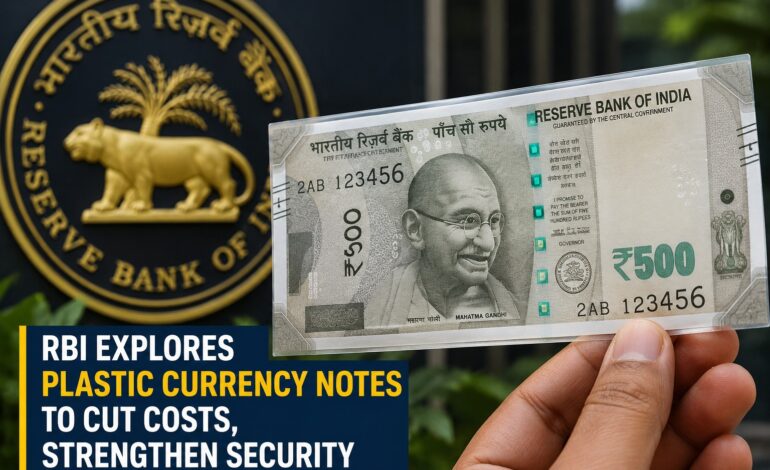
Polymer banknotes, already used in several countries including Australia, Canada and the United Kingdom, are manufactured from a specialised plastic substrate rather than cotton-based paper.

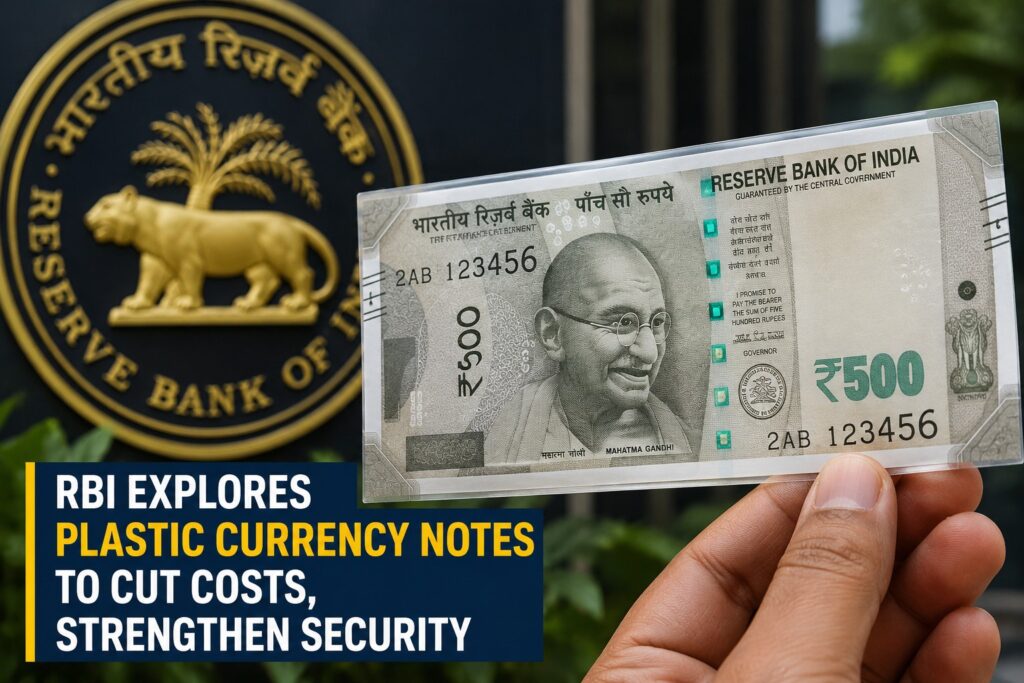
New Delhi, June 6: India may soon witness a major transformation in its currency system, with the Reserve Bank of India (RBI) actively evaluating the introduction of polymer, or plastic, banknotes as part of its efforts to modernise cash management and improve the durability of currency in circulation.
RBI Governor Sanjay Malhotra has indicated that the proposal is under consideration, although no final decision has been taken. The move comes at a time when demand for physical currency remains robust despite the rapid expansion of digital payment platforms across the country.
Polymer banknotes, already used in several countries including Australia, Canada and the United Kingdom, are manufactured from a specialised plastic substrate rather than cotton-based paper. They are known for their longer lifespan, resistance to moisture and dirt, and enhanced security features that make counterfeiting more difficult.
The RBI’s renewed interest in polymer notes is driven by rising currency management costs and the increasing number of worn-out notes that need replacement every year. Officials believe that although polymer notes cost more to produce initially, their longer circulation life could significantly reduce replacement and printing expenses over time.
The central bank has explored polymer currency on multiple occasions over the past decade, but earlier proposals remained at the pilot or planning stage. Recent discussions within the RBI have revived the possibility of launching a pilot project, potentially beginning with lower-denomination notes that experience the highest levels of circulation and wear.
The development comes amid a noticeable resurgence in cash usage. Recent RBI assessments have shown that the currency-to-GDP ratio has risen, reflecting a continued preference for cash among individuals and small businesses even as UPI and other digital payment systems continue to expand.
Financial sector experts say polymer notes could provide multiple benefits beyond durability. Improved security features may help curb counterfeit currency, while cleaner and longer-lasting notes could improve the efficiency of cash handling across banks, ATMs and retail establishments.
While the proposal remains under evaluation, a successful pilot could pave the way for a gradual rollout of polymer currency across India, marking one of the most significant changes to the country’s banknote system since the introduction of the Mahatma Gandhi New Series notes.
About Polymer Banknotes
Polymer banknotes are made from a thin plastic film rather than paper. They typically last several times longer than conventional notes, are resistant to water and tearing, and can incorporate advanced security elements such as transparent windows and complex holographic features. More than 30 countries have adopted polymer currency in full or partial circulation.