Auditing St. Martinus University: Is It One of the Best Caribbean Medical Schools for International Students?
With more than 25 years of operation, the university promotes itself as a gateway for students pursuing medical careers through US-focused medical education, clinical rotations, and international licensing pathways.
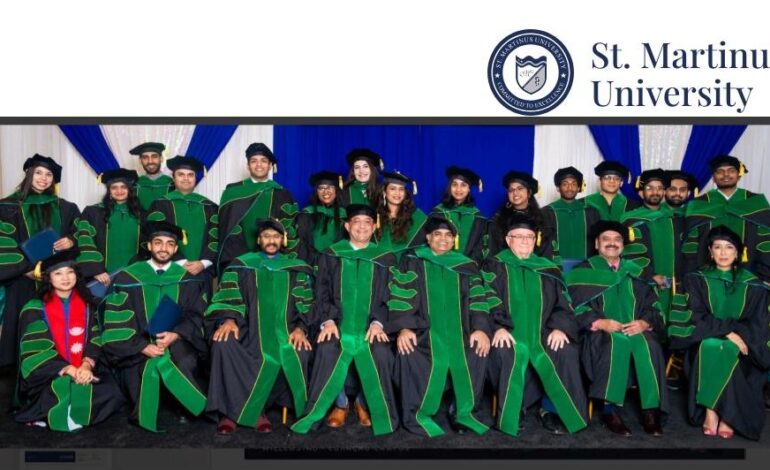
Among the institutions attracting international attention is St. Martinus University Faculty of Medicine, located in Willemstad, Curaçao.

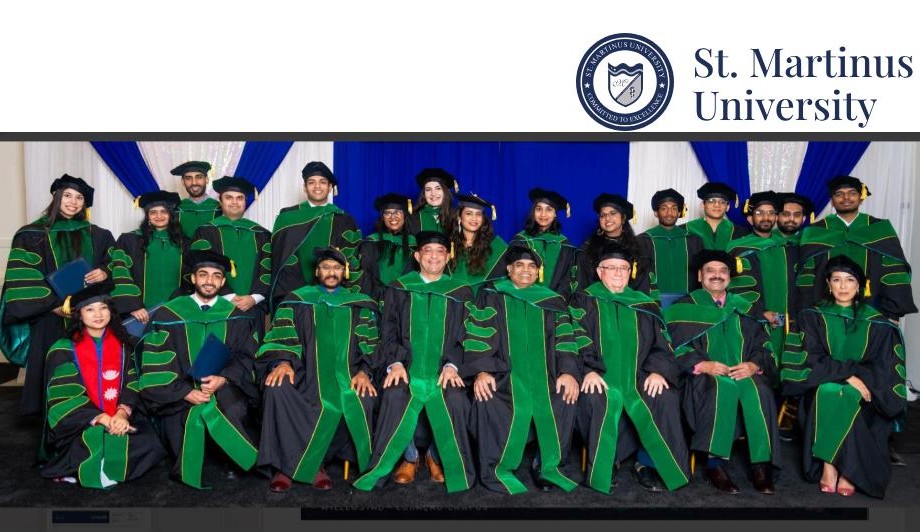
The Caribbean medical school pathway has become an increasingly popular option for students seeking to become physicians in the United States, Canada, the United Kingdom, Australia, and other countries. Among the institutions attracting international attention is St. Martinus University Faculty of Medicine, located in Willemstad, Curaçao. With more than 25 years of operation, the university promotes itself as a gateway for students pursuing medical careers through US-focused medical education, clinical rotations, and international licensing pathways.
This independent review examines the university’s accreditation, residency outcomes, international recognition, educational structure, and overall position within the Caribbean medical education landscape.
Institutional Background
St. Martinus University Faculty of Medicine was established in 2000 in Curaçao and has operated for approximately twenty-five years. The institution offers a Doctor of Medicine (MD) program designed primarily for international students seeking medical licensure opportunities in the United States and other countries.
The university follows a U.S.-modeled curriculum that combines foundational medical sciences with clinical training. Students complete basic science education in Curaçao and later participate in clinical rotations in affiliated hospitals, primarily in the United States. According to publicly available information, the school is listed in the World Directory of Medical Schools, allowing eligible students and graduates to pursue ECFMG certification and the United States Medical Licensing Examination (USMLE). (World Directory of Medical Schools)
Accreditation Status
One of the most important factors when evaluating any international medical school is accreditation.
St. Martinus University received institutional accreditation through the Agency for Accreditation of Educational Programs and Organizations (AAEPO), an accrediting body recognized by the World Federation for Medical Education (WFME). The university publicly states that this accreditation supports eligibility for ECFMG certification pathways and U.S. residency applications. (St Martinus University)
The significance of WFME-recognized accreditation increased substantially after the implementation of ECFMG’s global accreditation requirements. Medical schools seeking international recognition must demonstrate compliance with educational quality standards through recognized accrediting agencies. (ECFMG)
The university has also indicated that it is pursuing additional international recognition and quality assurance initiatives. Such developments could further strengthen its global standing if successfully completed.
Educational Pathway and Curriculum
The university’s educational model is designed to align with U.S. medical licensing requirements.
Students typically complete:
- Basic Sciences training in Curaçao
- USMLE Step 1 preparation
- Clinical rotations in affiliated teaching hospitals
- USMLE Step 2 preparation
- ECFMG certification requirements
The curriculum emphasizes preparation for international medical licensing examinations, particularly for students targeting U.S. residency programs. The institution also advertises direct pathways without requiring traditional MCAT or NEET entrance examinations in some admission categories. (St Martinus University)
For many international students, particularly from India, Africa, the Middle East, and Southeast Asia, this creates an alternative route toward becoming a licensed physician.
Residency Match Outcomes
Perhaps the most important metric for any Caribbean medical school is residency placement.
According to university statements and recent reports, St. Martinus University graduates have successfully matched into U.S. residency programs across multiple specialties. The institution has reported a residency match rate exceeding 90 percent for recent graduating classes. Public reports indicate approximately 50 to 62 graduates have matched into U.S. residency programs over the past several years. (Curaçao Chronicle)
While independently verified multi-year residency data remains limited compared to larger Caribbean institutions, available information suggests that graduates have entered specialties including:
- Internal Medicine
- Family Medicine
- Pediatrics
- Psychiatry
- Emergency Medicine
- Other residency disciplines
Prospective students should still request detailed residency match lists and specialty breakdowns directly from the university to independently verify placement outcomes.
International Licensing Success
An important aspect of St. Martinus University’s profile is the diversity of licensing pathways pursued by graduates.
In addition to U.S. residency placements, graduates reportedly pursue professional licensure opportunities through:
India
Graduates returning to India have historically pursued Foreign Medical Graduate Examination (FMGE) pathways, allowing them to seek medical registration and practice opportunities within India after satisfying local licensing requirements.
United Kingdom
Graduates have also pursued medical practice opportunities through the Professional and Linguistic Assessments Board (PLAB) examination system, which is administered by the General Medical Council (GMC) in the United Kingdom.
Australia
Some graduates have reportedly pursued Australian medical licensing pathways, demonstrating broader international recognition of their medical education.
This international flexibility is often an important consideration for students who may wish to maintain multiple career options across different healthcare systems.
Comparison with Major Caribbean Medical Schools
Within the Caribbean region, several institutions dominate international medical education discussions, including:
- St. George’s University (Grenada)
- Ross University School of Medicine
- American University of the Caribbean
- Saba University
These institutions generally have larger student populations, more extensive residency match histories, and greater public transparency regarding outcomes. (St Martinus University)
St. Martinus University operates on a smaller scale. While it does not yet possess the same level of global brand recognition as these larger institutions, its accreditation progress, residency placements, and longevity suggest that it has developed a legitimate position within the Caribbean medical education sector.
Strengths
Several strengths emerge from this review:
- More than 25 years of continuous operation.
- WFME-recognized accreditation through AAEPO.
- Eligibility for ECFMG certification pathways.
- U.S.-focused curriculum and clinical rotations.
- Graduates pursuing careers in multiple countries.
- Smaller class sizes and individualized learning environment.
- Lower tuition and living costs compared to many North American medical schools.
Areas Requiring Further Transparency
As with many Caribbean medical schools, prospective students should seek additional verification regarding:
- Detailed residency match statistics.
- Attrition rates.
- USMLE Step 1 and Step 2 pass rates.
- Clinical rotation affiliations.
- Specialty-specific residency outcomes.
- Graduate employment statistics.
These data points provide a more complete picture of institutional performance than marketing materials alone.
Final Assessment
Based on publicly available information, St. Martinus University appears to be a legitimate and increasingly recognized Caribbean medical school that has demonstrated stability over a 25-year period. Its accreditation through a WFME-recognized agency, eligibility for ECFMG pathways, and reported residency placements suggest that it offers a viable route toward international medical practice.
While it may not yet occupy the same tier as the largest Caribbean medical schools, the university has shown measurable progress in accreditation, international recognition, and residency placement outcomes. For students seeking an alternative pathway into medicine, particularly those interested in U.S. residency opportunities, St. Martinus University represents a school worthy of consideration, provided applicants conduct independent verification of outcome data and licensing eligibility requirements before enrollment.
The most effective measure of success for any medical school ultimately remains graduate outcomes. If the university continues to expand residency placements, strengthen accreditation credentials, and maintain international licensing success among its graduates, it may further establish itself as a competitive option within the Caribbean medical education sector.