Green Growth, Circular Economy to Drive India’s Next Phase of Electric Mobility: Bhupender Yadav
The Minister also underlined the importance of shifting from the traditional 'take-make-dispose' economic model towards a circular economy driven by reuse, recycling and efficient resource management.
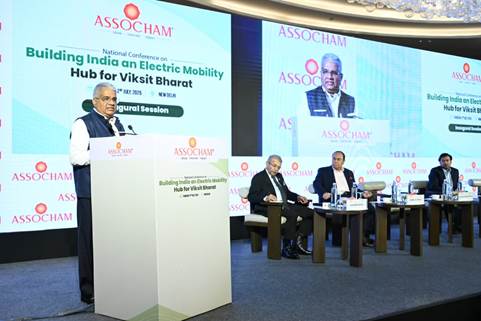
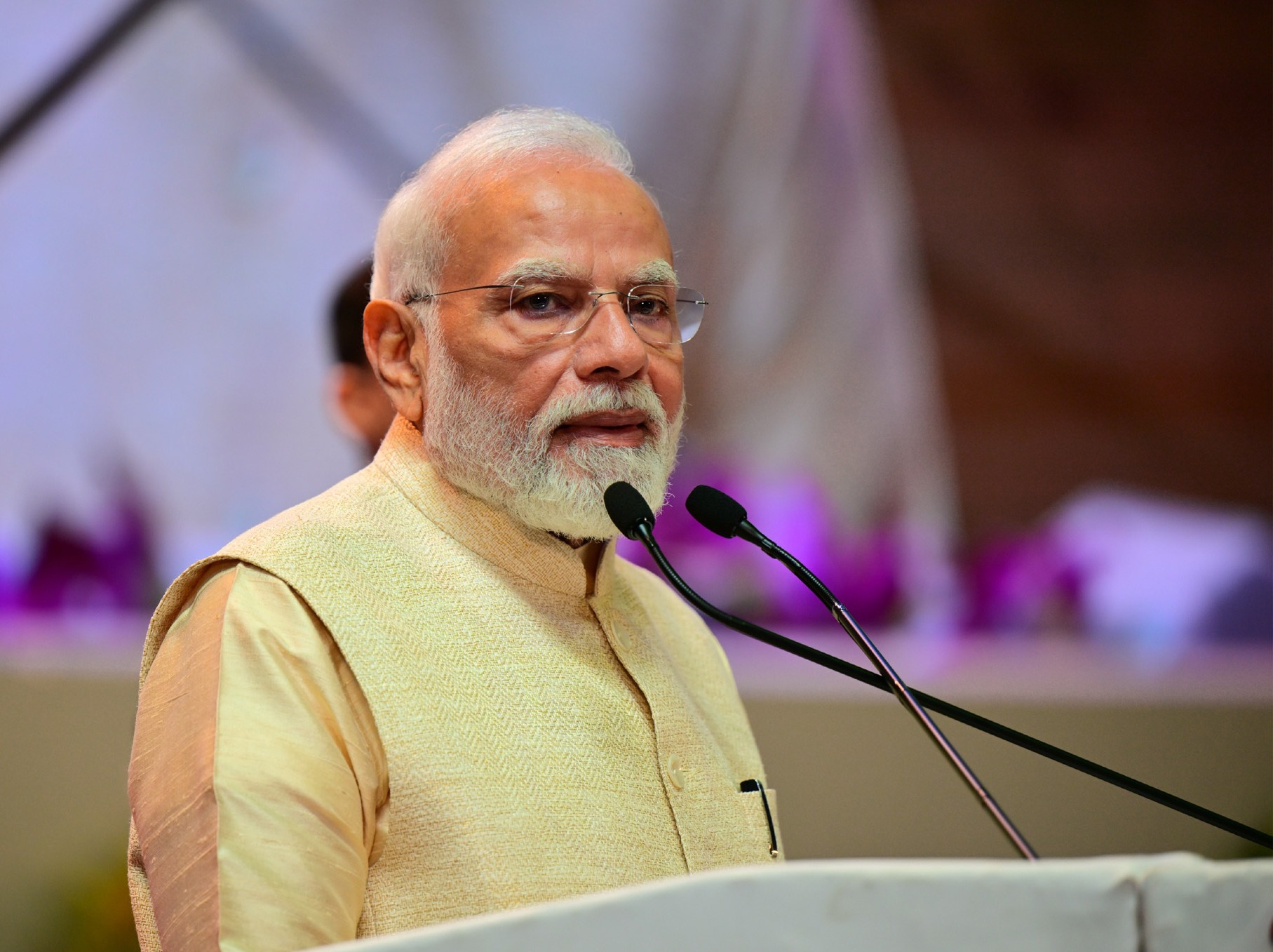
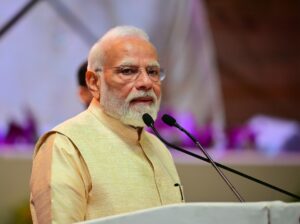
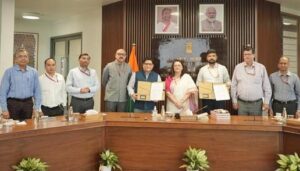
Union Environment, Forest and Climate Change Minister Bhupender Yadav addresses ASSOCHAM's National Conference on 'Electric Mobility: Building India an Electric Mobility Hub for Viksit Bharat' in New Delhi on Thursday.

New Delhi: India’s transition to electric mobility must go beyond vehicle electrification and focus on green growth, resilient infrastructure, transparent governance and a circular economy to ensure long-term environmental sustainability, Union Environment, Forest and Climate Change Minister Bhupender Yadav said on Thursday.
Addressing ASSOCHAM’s National Conference on ‘Electric Mobility: Building India an Electric Mobility Hub for Viksit Bharat’, the minister said electric mobility should become the foundation of a sustainable industrial ecosystem that strengthens domestic manufacturing, generates green jobs and supports the country’s vision of becoming a developed nation by 2047.
“India’s transition to electric mobility is not merely about replacing one technology with another. It is about building a sustainable industrial ecosystem,” the minister said.
Highlighting the government’s policy approach, Yadav said several reforms have been introduced to simplify environmental clearances, digitise approval processes through the PARIVESH portal, rationalise compliance requirements and improve the ease of doing business without compromising environmental safeguards.
He said these reforms are enabling faster investments while ensuring environmentally responsible industrial development.
The Minister also underlined the importance of shifting from the traditional ‘take-make-dispose’ economic model towards a circular economy driven by reuse, recycling and efficient resource management.
According to him, India’s electric mobility ecosystem must be supported by:
- Robust EV charging infrastructure
- Localised advanced manufacturing
- Secure critical mineral supply chains
- Battery recycling capabilities
- Resource-efficient production systems
Calling for closer collaboration between industry, policymakers and research institutions, Yadav said innovation will play a central role in positioning India as a global hub for clean mobility and sustainable manufacturing.
He reiterated that economic growth and environmental protection must progress together, adding that India has the potential to emerge as a global leader in green mobility and climate-conscious industrial development.
The conference, organised by the Associated Chambers of Commerce and Industry of India (ASSOCHAM), brought together policymakers, automobile manufacturers, technology providers and industry leaders to discuss strategies for accelerating electric vehicle adoption, strengthening charging infrastructure, localising manufacturing and building resilient battery supply chains.
The Minister’s remarks indicate the government’s evolving EV strategy is expanding beyond incentives for electric vehicles to encompass the broader industrial ecosystem. The emphasis on battery recycling, critical minerals, digital approvals through the PARIVESH portal, and circular economy principles signals a more integrated approach to building a globally competitive and environmentally sustainable electric mobility sector.