GI-tagged Indi lime from Karnataka enters Oman market, signalling early gains from India–Oman CEPA
New Delhi, December 20: In a boost to India’s agri-exports, 3 metric tonnes of GI-tagged Indi lime from Vijayapura district in Karnataka were exported to Oman on Friday, marking the
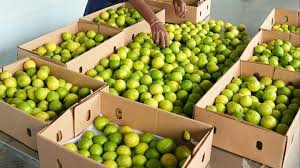
In a boost to India’s agri-exports, 3 metric tonnes of GI-tagged Indi lime from Vijayapura district in Karnataka were exported to Oman on Friday, marking the fruit’s entry into a new international market and highlighting early benefits of the India–Oman Comprehensive Economic Partnership Agreement (CEPA).

New Delhi, December 20: In a boost to India’s agri-exports, 3 metric tonnes of GI-tagged Indi lime from Vijayapura district in Karnataka were exported to Oman on Friday, marking the fruit’s entry into a new international market and highlighting early benefits of the India–Oman Comprehensive Economic Partnership Agreement (CEPA).
The shipment follows the maiden export of 3 metric tonnes of GI-tagged Indi lime to Dubai in August 2025. The fruit received a strong response in the UAE market, leading to subsequent exports of nearly 12 metric tonnes—four times the initial quantity—to Dubai. As part of market diversification efforts, 350 kg of Indi lime has also been exported to the United Kingdom.
With the Oman shipment, cumulative exports of GI-tagged Indi lime from Vijayapura have reached nearly 12.35 metric tonnes.
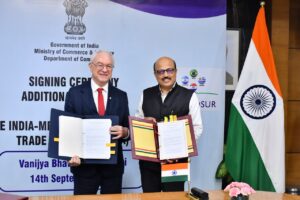
The export to Oman assumes added significance in the backdrop of the recently signed India–Oman CEPA, which aims to deepen bilateral trade ties and expand market access for Indian exporters. The agreement is expected to benefit agricultural and processed food products, animal products and other labour-intensive sectors, improving India’s export competitiveness in the Omani market.
Indi lime, which holds a geographical indication tag, is known for its distinctive aroma, high juice content and longer shelf life. The GI status has played a key role in positioning the fruit as a premium product in global markets.
The Agricultural and Processed Food Products Export Development Authority has been supporting the promotion, branding and export of GI-tagged agricultural products, with a focus on ensuring compliance with international quality and phytosanitary standards. According to officials, exports of GI-tagged Indi lime have helped improve income realisation for farmers by enabling access to premium overseas markets and reducing dependence on domestic price fluctuations.
The growing international acceptance of GI-tagged Indi lime underscores India’s potential as a supplier of high-quality, region-specific agricultural produce and strengthens the country’s agri-export ecosystem.