Stronger recycling markets, digital compliance needed to advance circular economy: Bhupender Yadav
More than 86,000 producers and 4,880 recyclers are registered under EPR frameworks, the minister said, urging closer coordination on recycling capacity, waste segregation and critical mineral recovery.
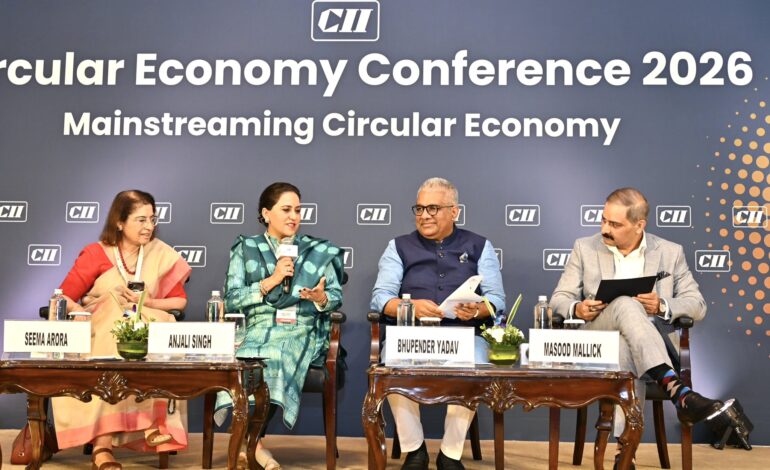
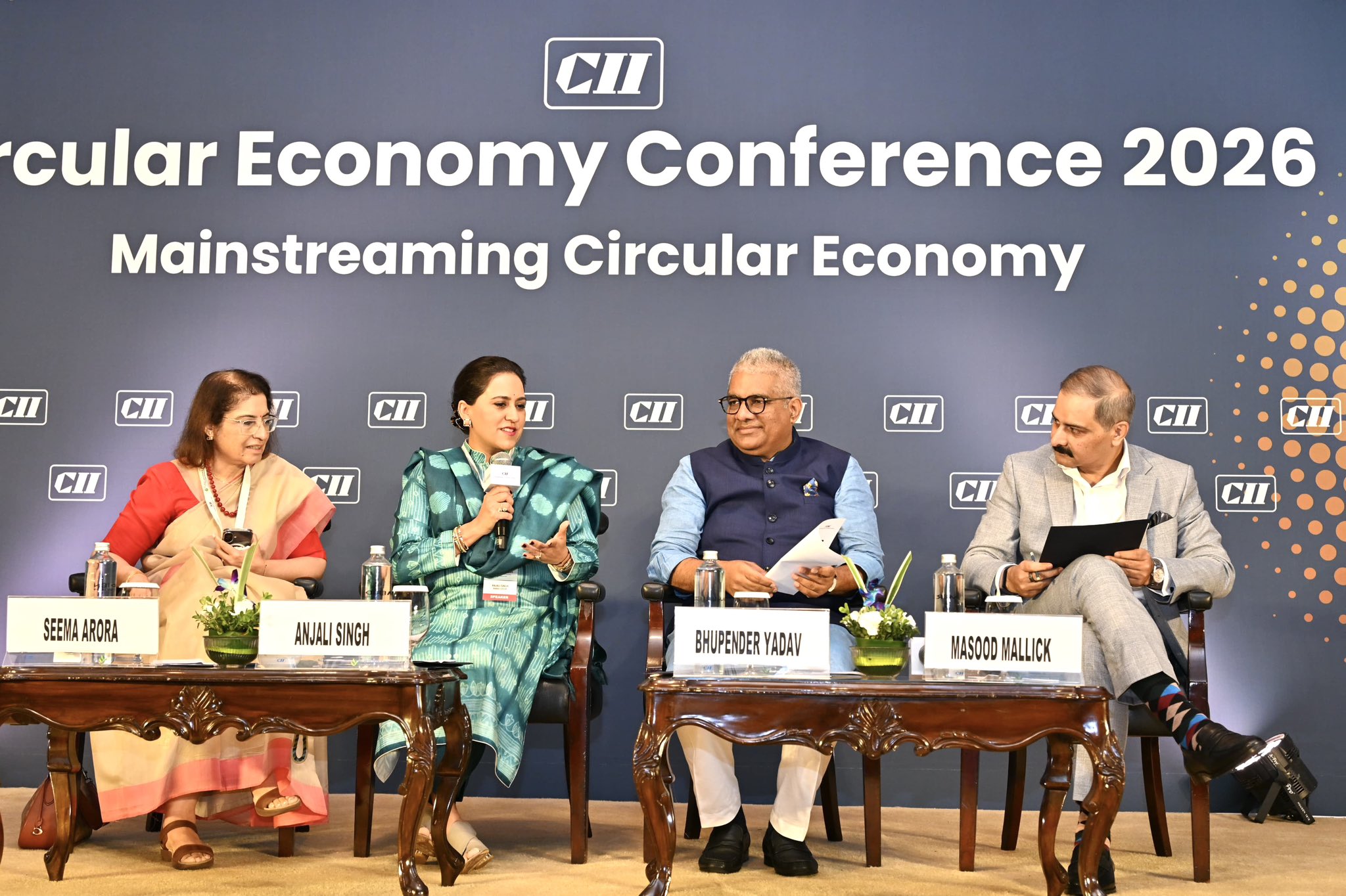
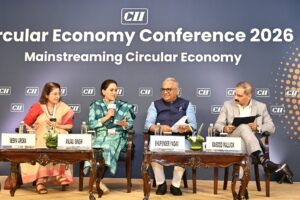
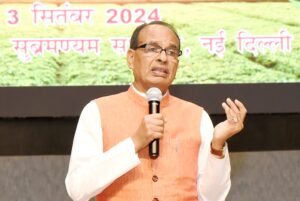
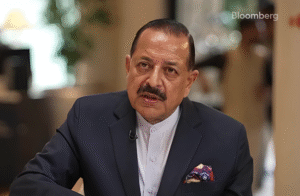
Union Environment Minister Bhupender Yadav at the Confederation of Indian Industry’s Circular Economy Conference in New Delhi on Thursday.

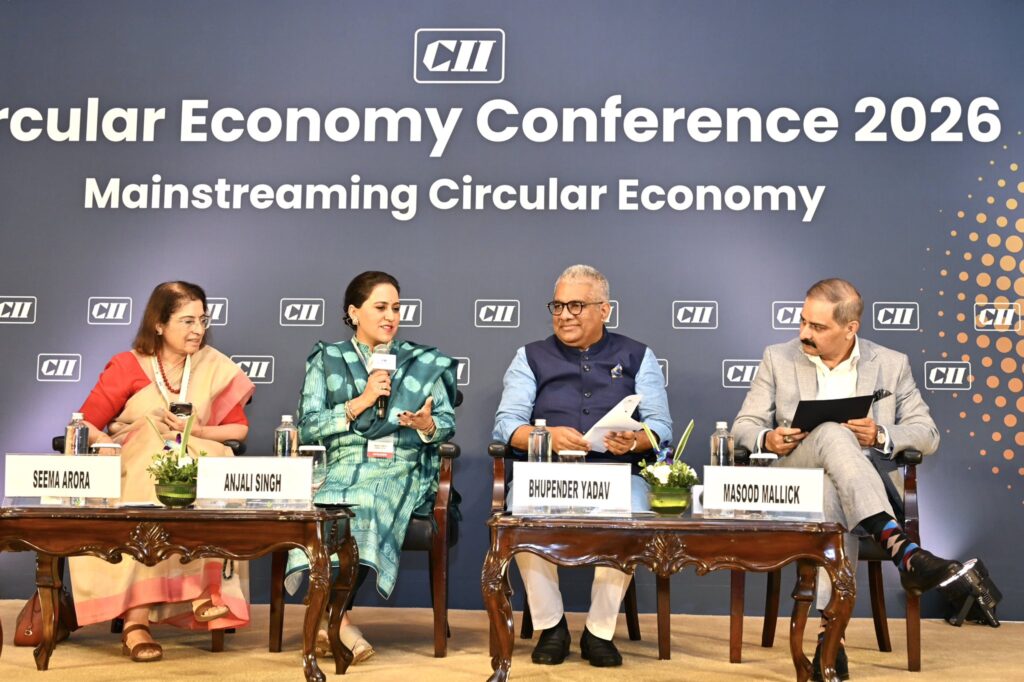
NEW DELHI: Union Environment Minister Bhupender Yadav called for closer coordination between government, industry and urban local bodies to strengthen recycling markets, improve waste management and expand resource recovery.
Addressing the Confederation of Indian Industry’s Circular Economy Conference in New Delhi on October 22, Yadav said clear policies, regulatory reforms and digital compliance systems were central to translating India’s circular economy objectives into implementation.
According to the ministry’s statement, nearly 499.60 lakh metric tonnes of waste had been processed across regulated waste streams. More than 86,043 producers and 4,880 recyclers were registered under Extended Producer Responsibility (EPR) frameworks.
Yadav said the government had strengthened waste management regulations across nine streams: plastics, batteries, e-waste, waste tyres, used oil, end-of-life vehicles, construction and demolition waste, non-ferrous scrap metal and solid waste.
The frameworks focus on waste prevention, reuse, recycling, remanufacturing and resource recovery across the product lifecycle, he said.
EPR places responsibility on producers, importers and brand owners for environmentally sound management of products at the end of their useful life. Yadav said transfers of EPR certificates provided financial incentives for recyclers to expand capacity, adopt technology and increase recycling activity.
Responding to industry concerns about digital compliance, EPR market operations and transaction timelines, he invited stakeholders to share practical difficulties and proposals. The government was working towards a market-based approach, he said.
On plastic waste, Yadav sought greater coordination between producers and recyclers to address concerns about recyclable material availability and processing capacity. The objective extended beyond certificate issuance to employment, stronger local recycling industries and technological development, he said.
He also called for greater recovery of critical minerals from discarded electronics and batteries, alongside industry participation in developing secondary raw-material markets and improving supply-chain traceability.
For municipal waste management, Yadav emphasised technology adoption, online monitoring, capacity building, accountability and the financial sustainability of urban local bodies.
He highlighted segregation into four streams – wet, dry, sanitary and special-care waste – and said public participation would be essential to effective implementation and tackling accumulated legacy waste.
Regulation alone could not establish a circular economy, Yadav said, pointing to the Lifestyle for Environment initiative’s emphasis on mindful consumption and responsible resource use.