Next phase of PM-KUSUM to include agrivoltaics push; small farmers’ interests take priority
Shivraj Singh Chouhan calls for safeguards on crop production, electricity payments and project liabilities as Pralhad Joshi outlines plans to combine solar generation with farming.
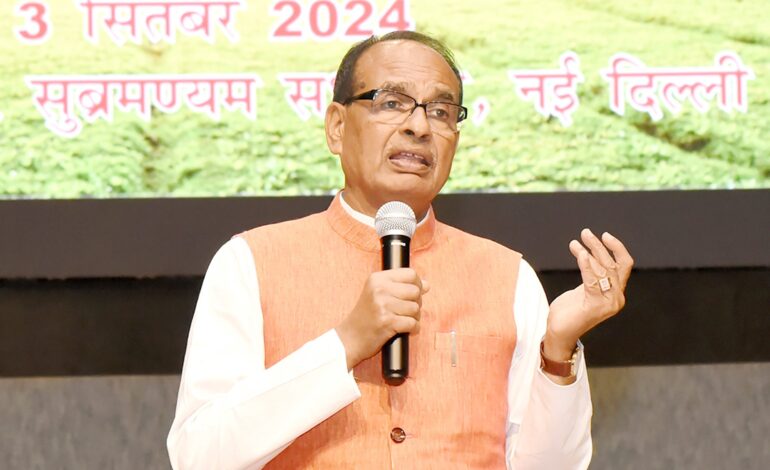
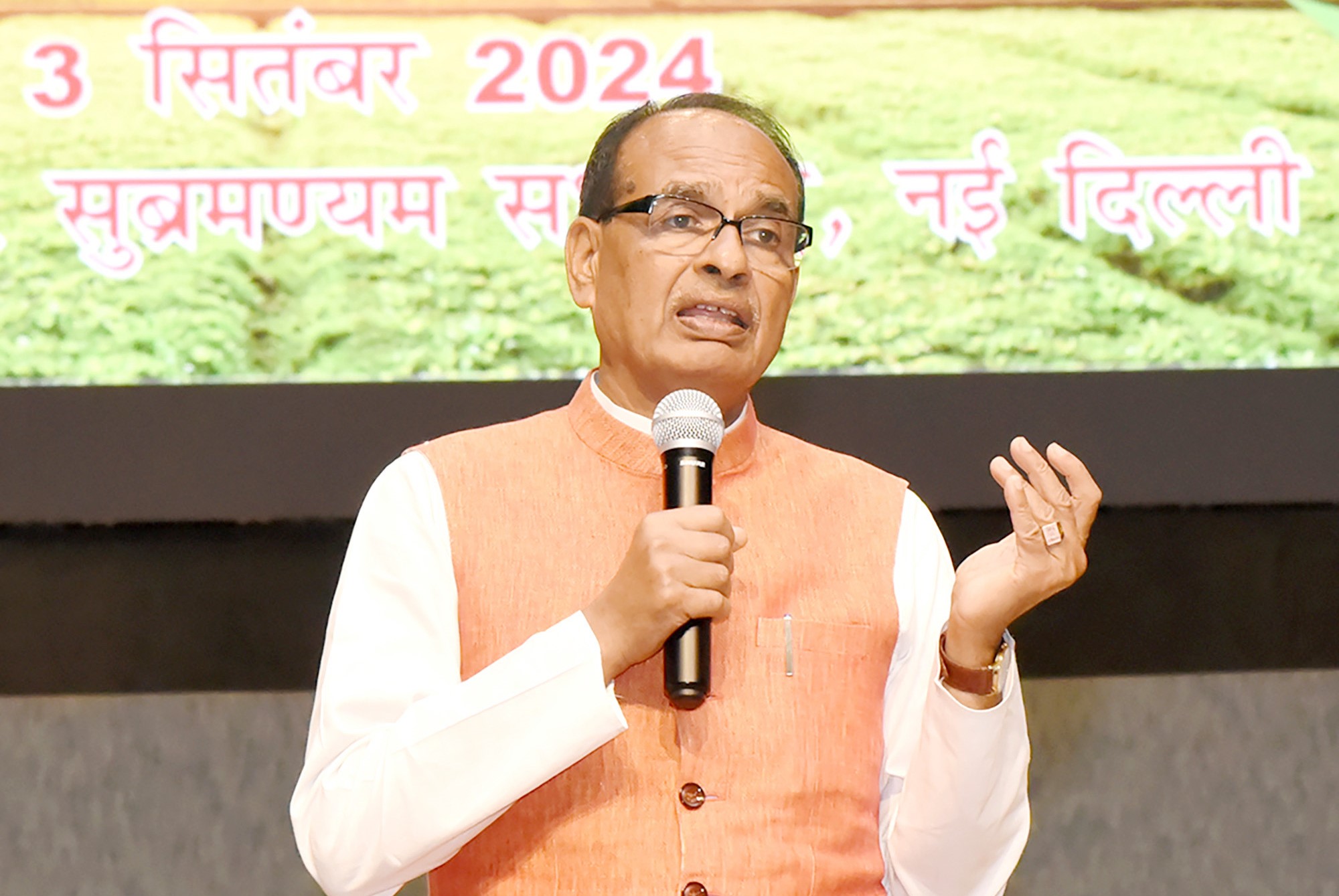
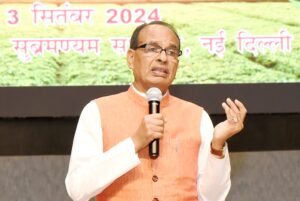
Union Minister for Agriculture and Farmers’ Welfare Shivraj Singh Chouhan

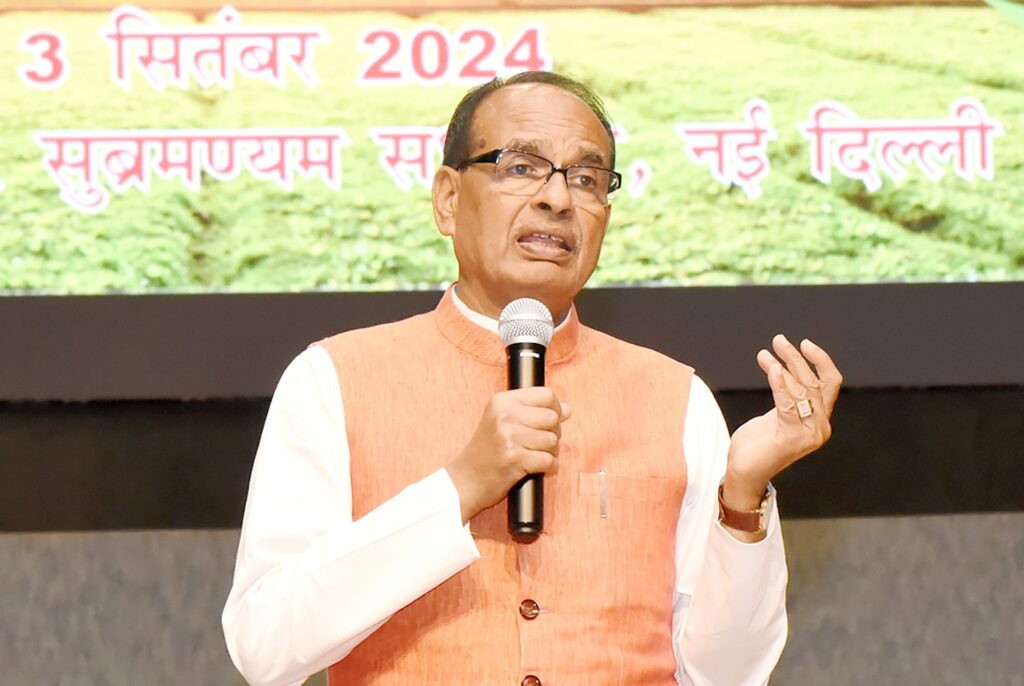
NEW DELHI: The government plans to launch an agrivoltaics programme under the next phase of PM-KUSUM, combining solar electricity generation with cultivation on the same land, while developing safeguards to protect small and marginal farmers.
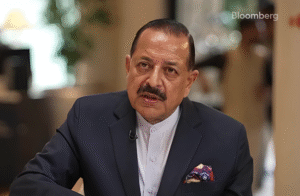
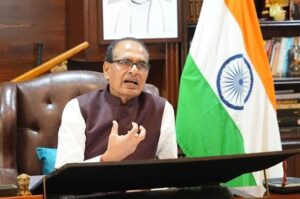
Union New and Renewable Energy Minister Pralhad Joshi announced the proposed programme at the seventh AgriVoltaics World Conference at Bharat Mandapam on October 21. Addressing the inaugural session, Agriculture and Farmers’ Welfare Minister Shivraj Singh Chouhan said the model must remain commercially and practically viable for farmers without disrupting agricultural production.
Agrivoltaics involves installing solar panels above or alongside crops, allowing land to support both farming and electricity generation. Chouhan said the approach could provide an additional income stream while creating village-level employment in equipment operation, repairs and maintenance.
He stressed that policy design must prioritise small and marginal farmers, who account for more than 85% of the country’s farmers, according to the government statement. With average landholdings of just 0.96 hectares, he said, farmers could not be expected to give up cultivation to accommodate standalone solar projects.
Panel height, spacing between supporting structures and access for ploughing must allow normal farming operations, Chouhan said. Installations should also preserve farmers’ ability to choose crops and change crop cycles without compromising productivity.
He called for drainage and rainwater collection arrangements to prevent runoff from panels from eroding soil. Reliable grid connections, assured electricity purchase arrangements and transparent, timely payments would also be essential.
Contracts must clearly assign responsibility if a developer abandons a project or panels need to be removed when an agreement expires, he said, adding that farmers should not be left carrying the resulting financial or physical burden.
Chouhan proposed involving Farmer Producer Organisations and training rural youth and women to operate and maintain installations. The Agriculture Ministry and Ministry of New and Renewable Energy would work together to develop the model, he said.
Joshi, citing a study by The Energy and Resources Institute, said 47.5 million hectares of agricultural land were technically suitable for agrivoltaics. Maharashtra, Rajasthan, Andhra Pradesh, Madhya Pradesh, Karnataka and Uttar Pradesh together accounted for half of the identified area.
He said installations on 10% of that suitable area could potentially meet India’s projected electricity demand up to 2050. He also cited studies indicating potential crop-yield gains of 10–20% and approximately 3.32 lakh full-time local jobs. These were potential benefits outlined at the conference, rather than outcomes of the proposed programme.
Joshi said 30 lakh agricultural pumps had been connected to solar energy under PM-KUSUM. India’s installed non-fossil electricity capacity had crossed 308 GW, out of a total generation capacity exceeding 560 GW, he added.
Technical tools and communication materials intended to support field-level decisions on agrivoltaics were also released at the three-day conference. The statement did not specify the proposed programme’s launch date, financial outlay or implementation guidelines.