India plans to expand pumped hydropower storage capacity to 105.56 GW by 2035–36
With 7.43 GW operational and 15.87 GW under construction or implementation, pumped storage is expected to help balance renewable generation, meet peak demand and strengthen grid reliability.
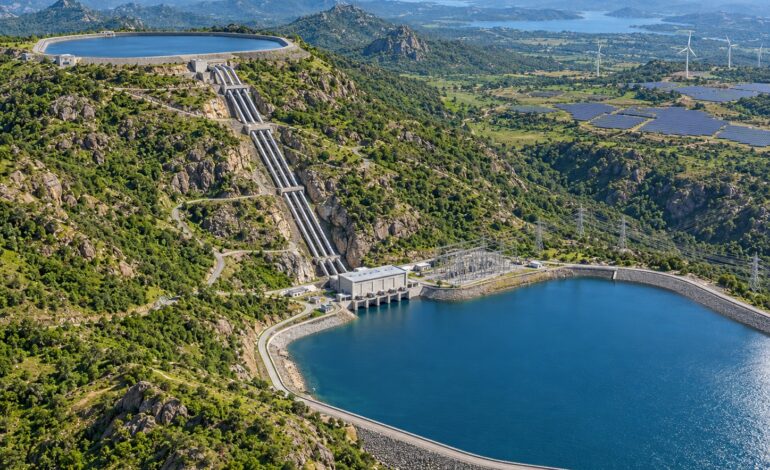
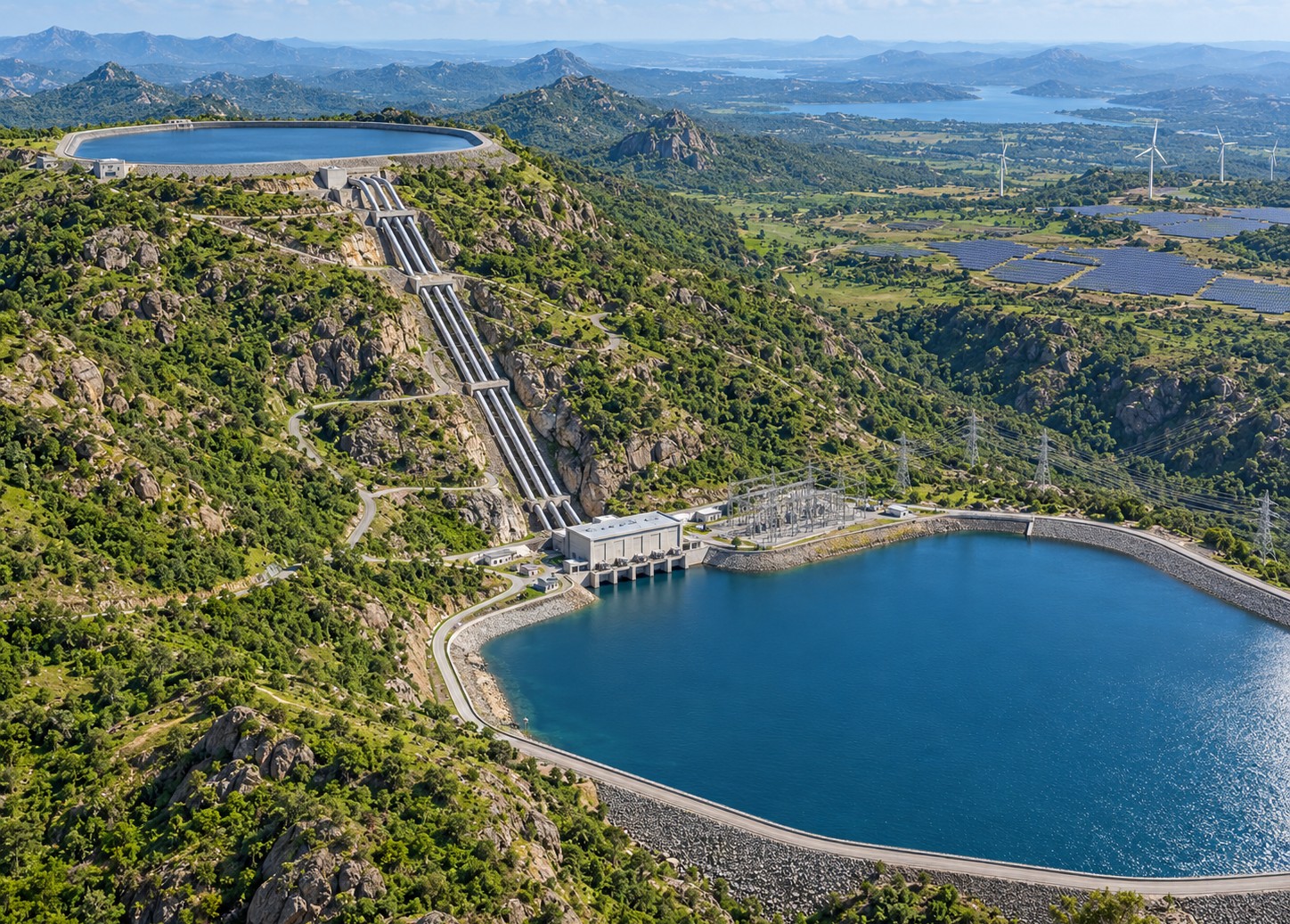
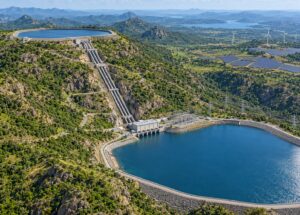
Often described as a “water battery”, pumped storage uses electricity to move water from a lower reservoir to a higher one during periods of surplus supply.

NEW DELHI: India has mapped a pumped storage hydropower expansion pathway that envisages cumulative capacity reaching 105.56 GW by 2035–36, as rising solar and wind generation increases the need for electricity storage.
A PIB Research backgrounder dated October 19, citing Central Electricity Authority (CEA) data, said projects totalling 100.81 GW are envisaged for commissioning between 2025–26 and 2035–36. The pathway includes projects already under construction.
As of August 2026, India had 7.43 GW of operational pumped storage capacity across 10 projects. Another 15.87 GW across 11 projects was under construction or implementation, while eight projects totalling 10.40 GW had been concurred or appraised by the CEA.
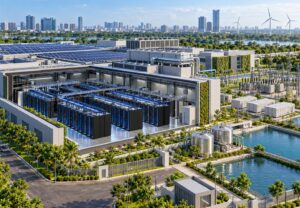
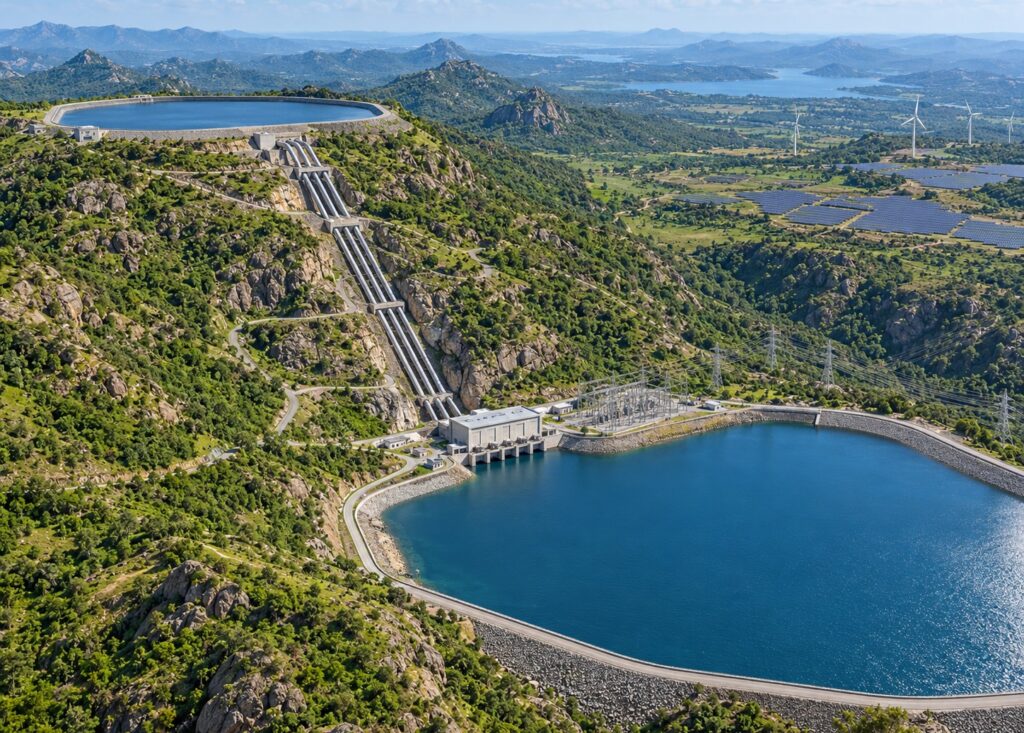
Often described as a “water battery”, pumped storage uses electricity to move water from a lower reservoir to a higher one during periods of surplus supply. Water is released through turbines when power is needed, allowing electricity generated earlier to serve demand at another time.
The technology can help shift renewable power to peak-demand periods and support grid stability. Battery storage provides complementary services, including rapid response and shorter-duration balancing.
The backgrounder cites a CEA projection of 73.93 GW of energy storage requirements by 2031–32, comprising 26.69 GW of pumped storage and 47.24 GW of battery systems. This requirement projection is distinct from the larger pumped storage development pipeline.
India has identified 320 potential pumped storage projects with a combined capacity of 345.38 GW. Of these, 258 off-stream projects account for 288.71 GW. Identified potential remains subject to site-specific technical, environmental and development assessments.
The western region has the largest identified potential at 129.72 GW, followed by the southern region at 97.76 GW. Maharashtra accounts for 67.36 GW, while Andhra Pradesh, Telangana and Tamil Nadu lead the southern region’s potential.
The backgrounder outlines measures to support development, including competitive procurement guidelines, assistance for enabling infrastructure and streamlined project appraisal. It also highlights the CEA’s Jal Vidyut DPR portal for monitoring survey and investigation work and coordinating project preparation.
The expansion pathway forms part of efforts to develop storage alongside generation and transmission infrastructure as India pursues its target of 500 GW of non-fossil electricity capacity by 2030.