NEET May Shift to Multi-Attempt Model as Parliamentary Panel Pushes Major Exam Reforms
A Parliamentary Standing Committee has proposed a multi-attempt NEET model to reduce student stress and strengthen examination integrity after the nationwide paper leak controversy.
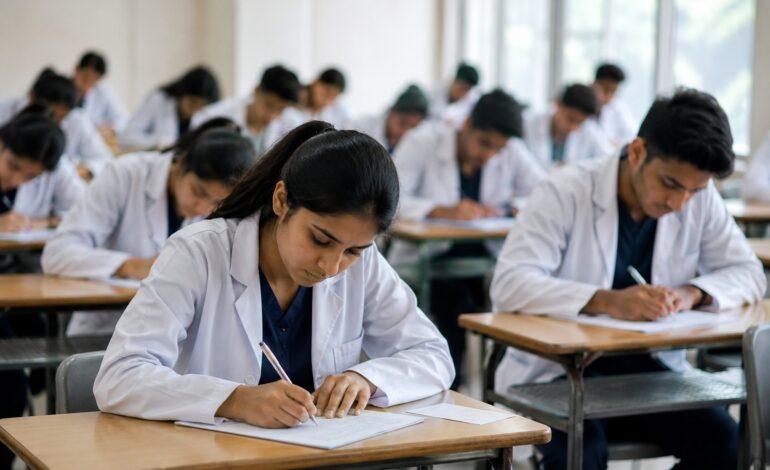
Among the key recommendations emerging from the committee's deliberations is the proposal to conduct NEET multiple times a year, similar to other national entrance examinations, to reduce pressure on candidates and minimise the impact of disruptions caused by unforeseen events.

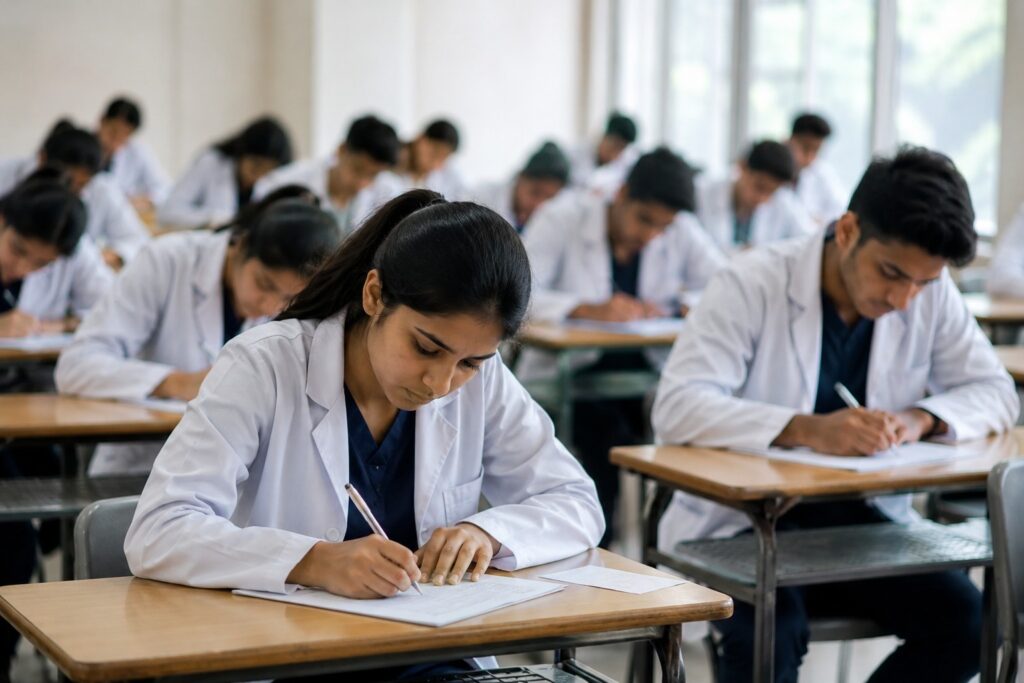
New Delhi: India’s medical entrance examination system could undergo its biggest transformation in years, with a Parliamentary Standing Committee recommending that NEET shift from a single annual examination to a multi-attempt model following the paper leak controversy that forced over 22 lakh aspirants to face uncertainty and a nationwide re-examination.
The demand for a comprehensive overhaul of the National Eligibility-cum-Entrance Test (NEET-UG) has gathered momentum after a Parliamentary Standing Committee reviewed the fallout of this year’s examination crisis, with lawmakers examining reforms to restore credibility to India’s largest entrance test following the paper leak controversy that affected more than 22 lakh medical aspirants.
The parliamentary scrutiny comes after the National Testing Agency (NTA) cancelled the original NEET-UG 2026 examination conducted on May 3 following confirmation of question paper leaks. A nationwide re-examination was held on June 21 under heightened security arrangements, forcing lakhs of students to undergo the stressful admission test for a second time.
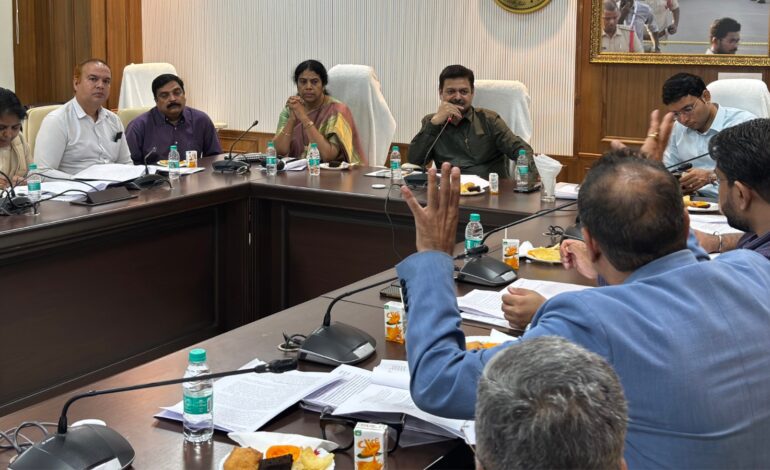
According to reports, senior officials from the Ministry of Education, Ministry of Health, the National Testing Agency (NTA) and the National Medical Commission (NMC) have appeared before parliamentary panels to explain the circumstances leading to the cancellation of the examination and outline measures being taken to prevent future irregularities. The discussions have focused on strengthening the examination ecosystem and rebuilding public confidence.
Among the key recommendations emerging from the committee’s deliberations is the proposal to conduct NEET multiple times a year, similar to other national entrance examinations, to reduce pressure on candidates and minimise the impact of disruptions caused by unforeseen events. Members have also discussed transitioning the examination to a computer-based format after adequate infrastructure is created across the country.
The panel has sought details on reforms being implemented within the NTA following recommendations made by the high-level committee constituted after earlier examination controversies. Discussions have covered examination security, digital safeguards, organisational restructuring, data protection and mechanisms to prevent paper leaks and malpractice.
The cancellation of the May examination triggered widespread anxiety among students and parents, as candidates who had prepared for months were required to repeat the high-stakes test. The controversy also sparked protests, legal challenges and a Central Bureau of Investigation (CBI) probe into the alleged paper leak network.
While the NTA has maintained that the June 21 re-examination was conducted smoothly under stringent security arrangements and reported no fresh complaints of paper leaks, policymakers continue to emphasise that restoring trust in India’s premier medical entrance examination requires structural reforms rather than temporary corrective measures.
The parliamentary review is expected to shape future policy decisions on examination governance, technology adoption and institutional accountability, with the objective of ensuring that national competitive examinations remain secure, transparent and fair for millions of students.