Tata Steel Charts Green Growth Path as FY26 Profit Jumps 243%, Advances AI-Led Manufacturing
Chairman N. Chandrasekaran says company is becoming larger, greener and smarter with capacity expansion, digital transformation and low-carbon steelmaking
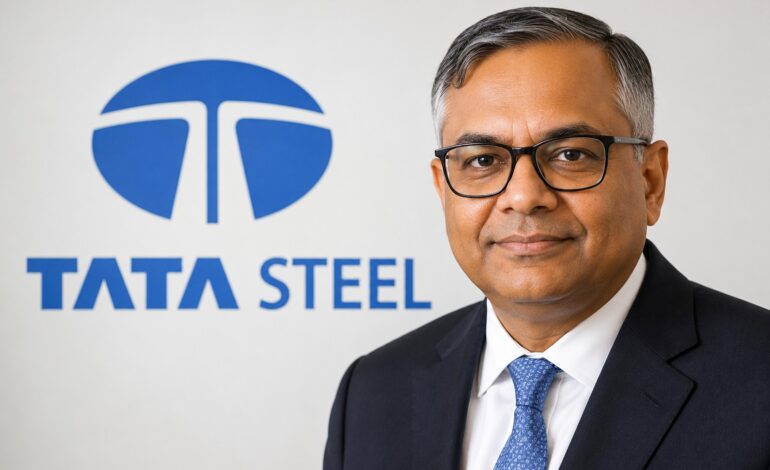
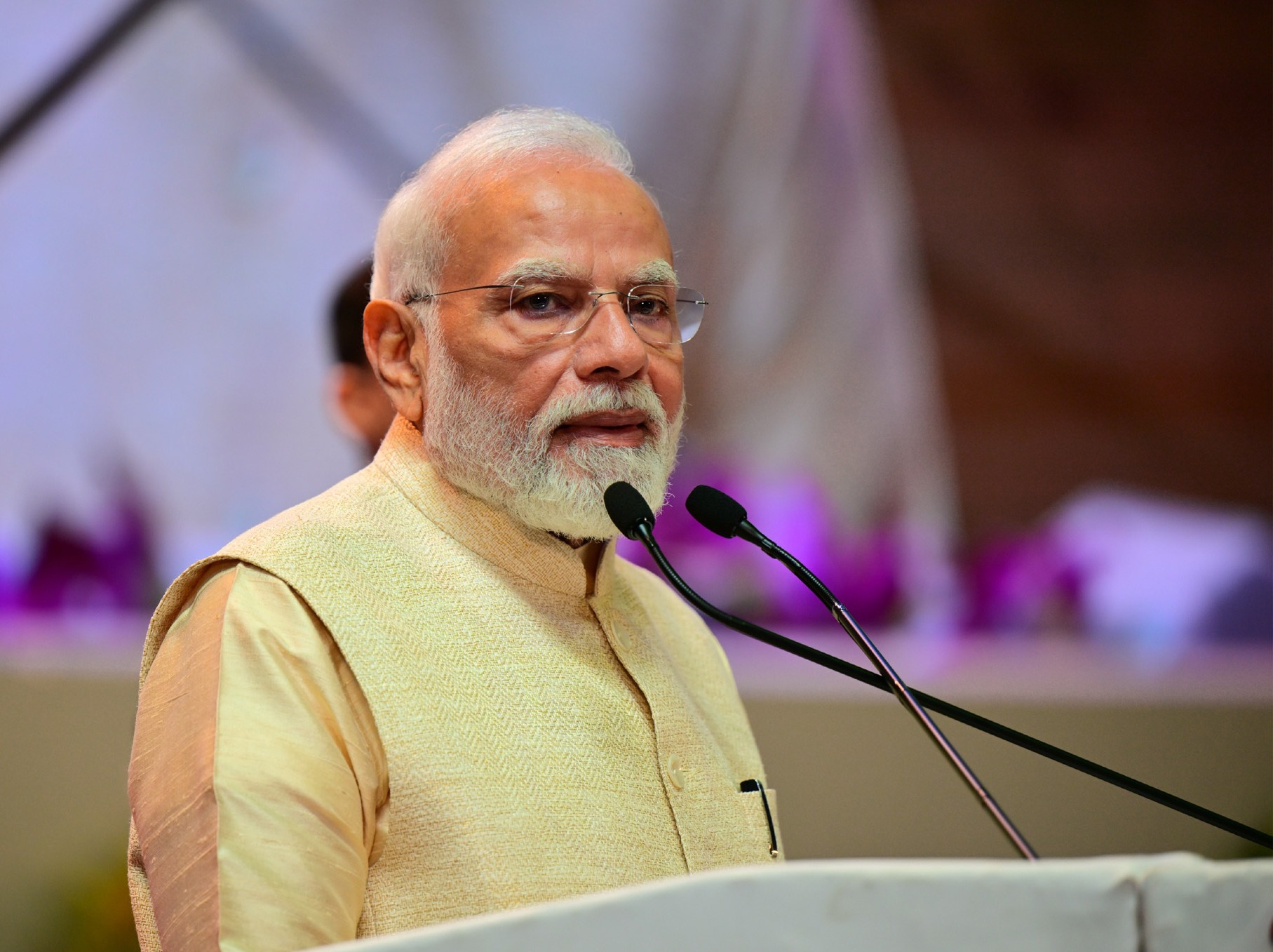
Addressing shareholders at the company's 119th Annual General Meeting (AGM) on Thursday, Chairman N. Chandrasekaran said Tata Steel is entering a transformative phase focused on becoming a larger, greener, smarter and more resilient steel producer.

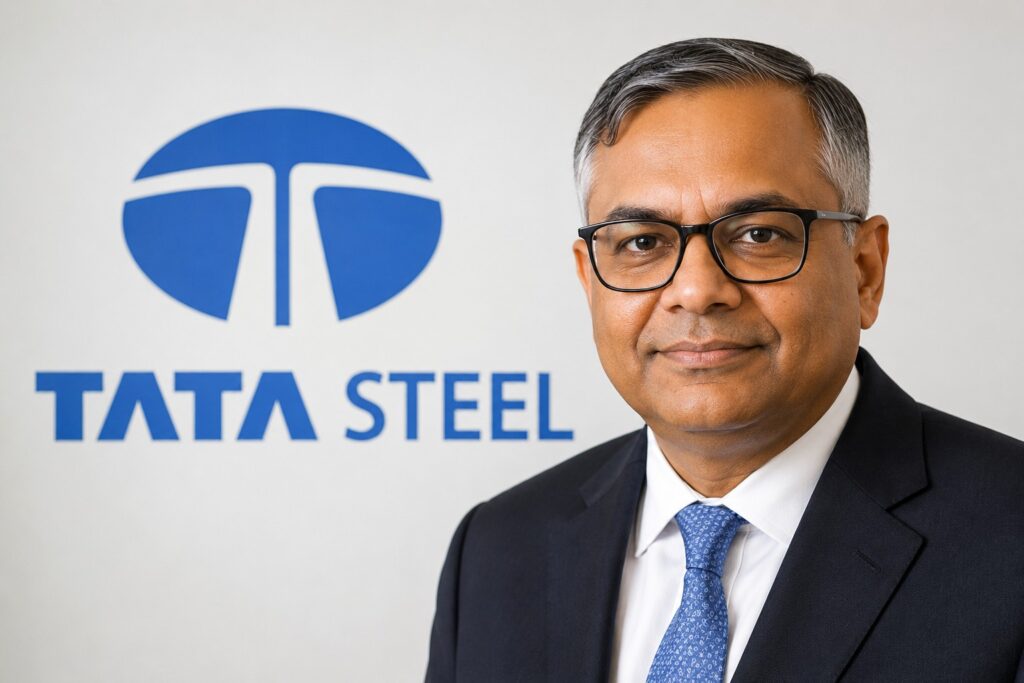
Mumbai: Tata Steel reported a strong financial performance for FY2025-26, with Profit After Tax (PAT) surging 243% to ₹10,886 crore and consolidated EBITDA rising 35% to ₹34,848 crore, as the company accelerated capacity expansion, digital transformation and low-carbon steelmaking initiatives across its global operations.
Addressing shareholders at the company’s 119th Annual General Meeting (AGM) on Thursday, Chairman N. Chandrasekaran said Tata Steel is entering a transformative phase focused on becoming a larger, greener, smarter and more resilient steel producer.
The company recorded consolidated revenue of ₹2,32,140 crore, a 6% increase over the previous year, supported by record crude steel production of about 23.4 million tonnes and deliveries of 22.5 million tonnes in India.
In India, Tata Steel generated revenues of ₹1,40,302 crore and EBITDA of ₹34,272 crore, reflecting a 17% increase driven by higher production volumes, improved product mix and cost efficiencies. The company’s consolidated net debt also declined to ₹80,144 crore, strengthening its balance sheet.
The Board has recommended a dividend of ₹4 per equity share for FY26.
Kalinganagar Expansion Boosts Capacity
Highlighting key operational milestones, Chandrasekaran said Tata Steel commissioned the Phase II expansion of its Kalinganagar plant, increasing the company’s total installed steelmaking capacity to 26.1 million tonnes per annum (MTPA) while expanding the Odisha facility’s capacity from 3 MTPA to 8 MTPA.
The expansion includes India’s largest blast furnace and a state-of-the-art Cold Rolling Mill, strengthening Tata Steel’s presence in high-value segments such as automotive and defence manufacturing. The company reiterated its long-term goal of achieving 40 MTPA steelmaking capacity.
Tata Steel also continued expanding its downstream businesses, including tubes, tinplate and wires, while consolidating its stake in Tata Steel Colors and acquiring a majority stake in Thriveni Pellets to strengthen raw material security.
The company plans to further reinforce its long products business through the expansion of Neelachal Ispat Nigam Limited (NINL) and the recently inaugurated 0.75 MTPA Electric Arc Furnace (EAF) at Ludhiana. The Board has also approved the merger of NINL with Tata Steel to improve operational synergies.
Europe Moves Towards Low-Carbon Steel
Providing an update on overseas operations, Chandrasekaran said Tata Steel has entered a decisive transformation phase in Europe.
In the UK, construction has begun on the £1.25 billion Electric Arc Furnace project at Port Talbot, one of the country’s largest low-carbon steelmaking investments, being developed in partnership with the UK Government.
In the Netherlands, however, the company continues to face increasingly stringent environmental regulations. Tata Steel said it is working closely with the Dutch Government to develop a financially viable and environmentally compliant long-term roadmap for its operations. During the year, Tata Steel Netherlands also acquired Vattenfall’s co-generation power plants to strengthen energy security and support its decarbonisation strategy.
AI and Digital Platforms Drive Efficiency
Technology and digital transformation remain central to Tata Steel’s growth strategy.
Chandrasekaran said the company has now deployed more than 860 Artificial Intelligence models across its manufacturing value chain, enabling improvements in production yield, workplace safety and energy efficiency.
The company’s digital commerce platforms Aashiyana and DigECA recorded a combined Gross Merchandise Value (GMV) of ₹9,360 crore during FY26, representing a 161% year-on-year growth.
CSR and Safety
Reaffirming Tata Steel’s commitment to responsible business, Chandrasekaran said the company invested ₹473 crore in Corporate Social Responsibility (CSR) initiatives during the year, positively impacting more than 6.9 million people across India.
He also reiterated that employee safety remains the company’s highest priority, with continued investments in technology, safety systems and workforce awareness aimed at achieving a zero-harm workplace.
Concluding his address, Chandrasekaran said Tata Steel’s ongoing transformation is anchored in sustainable growth, technological innovation and operational excellence, positioning the company for long-term leadership in the global steel industry.