Government Pushes Circular Economy Model for Cooperative Sugar Sector
Proposed multi-state cooperative framework aims to convert sugar by-products into high-value products and strengthen rural industrial ecosystem
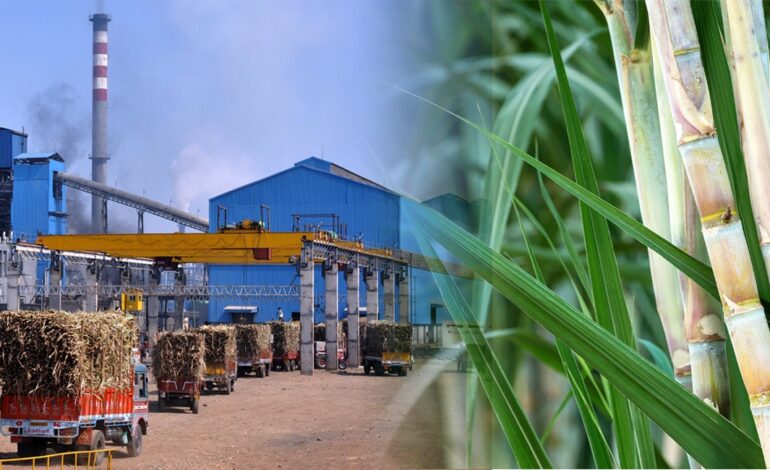
the proposed framework is expected to promote efficient resource utilisation, diversify revenue streams for cooperative sugar mills and support long-term rural economic development through sustainable industrial practices.

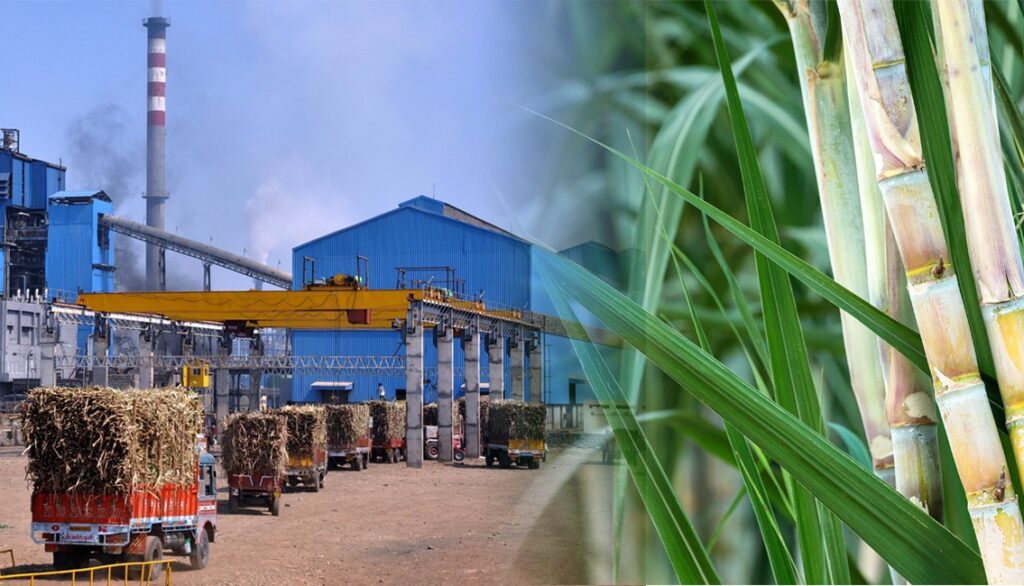
Pune: The Ministry of Cooperation is working towards strengthening the cooperative sugar sector through a circular economy model under a proposed Multi-State Cooperative Society framework aimed at promoting sustainability, green energy and value-added rural industries.
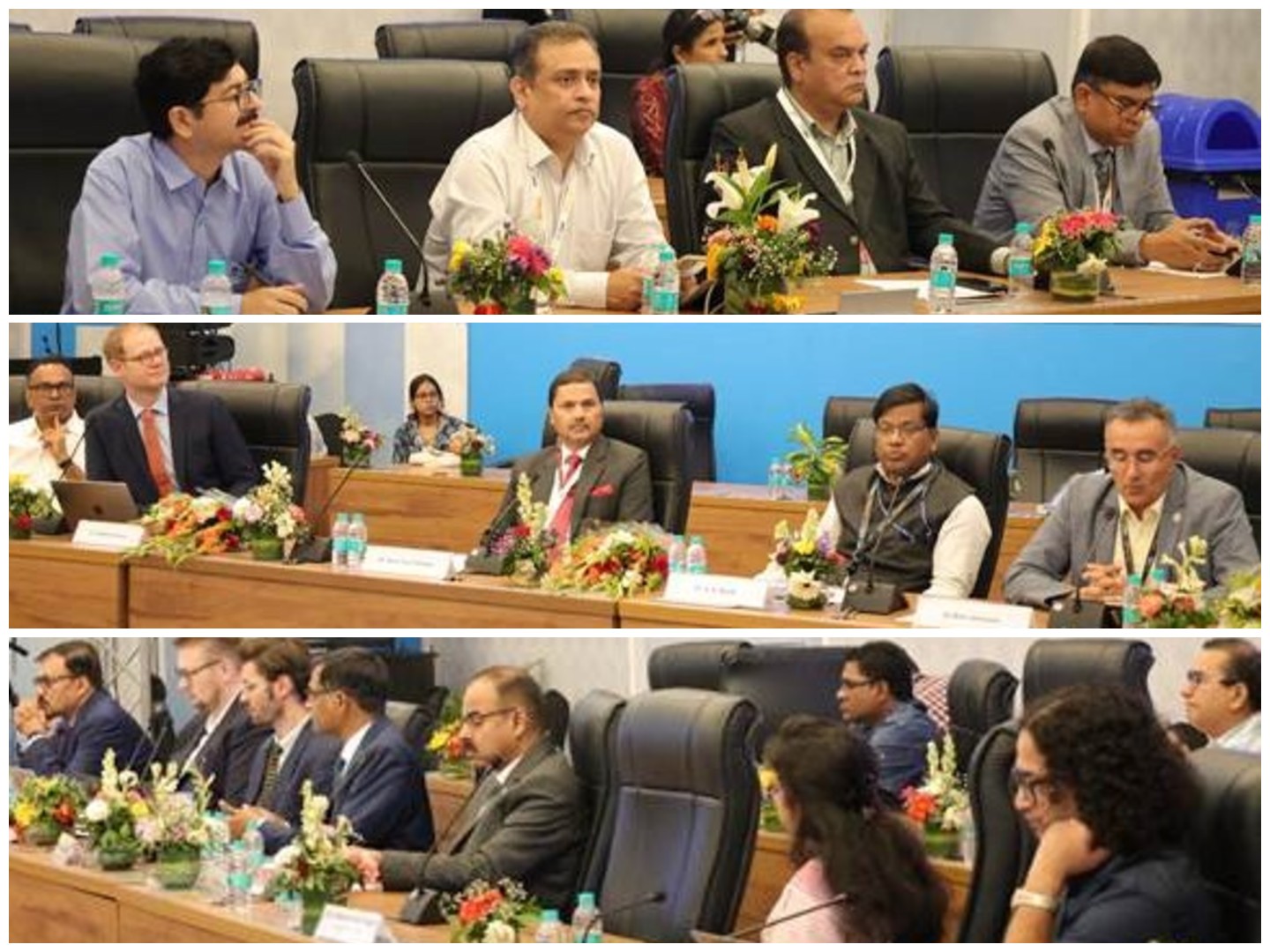
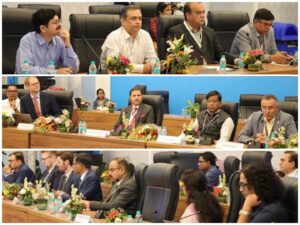
A programme on “Promoting Circular Economy in the Sugar Sector through Formation of a Multi-State Cooperative Society” was organised by the Pune regional office of the National Cooperative Development Corporation (NCDC) at the Vaikunth Mehta National Institute of Cooperative Management (VAMNICOM), Pune.
The programme was chaired by Union Minister of State for Cooperation and Civil Aviation Murlidhar Mohol and attended by senior officials from the Ministry of Cooperation, Indian Potash Limited and representatives of cooperative sugar mills from Maharashtra and Karnataka.
Around 31 cooperative sugar mills from Kolhapur, Solapur and Sangli districts of Maharashtra and Belagavi district of Karnataka participated in the discussions.
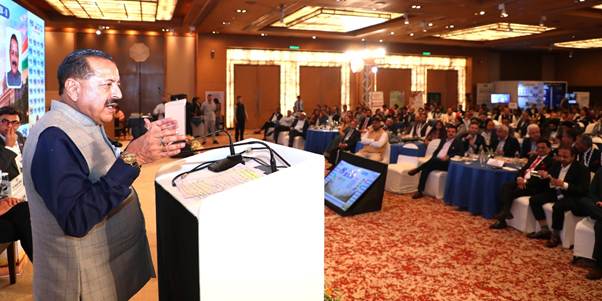
Addressing the gathering, Murlidhar Mohol said the initiative is aligned with Prime Minister Narendra Modi’s vision of “Sahkar Se Samriddhi” and seeks to strengthen the cooperative ecosystem through innovative and farmer-centric economic models.
He said the proposed Multi-State Cooperative Society framework would help cooperative sugar mills adopt an integrated circular economy approach by creating opportunities to convert sugar industry by-products into high-value products while strengthening the rural industrial ecosystem.
According to the minister, the initiative could also support the adoption of green energy and bio-based chemicals, helping reduce fuel consumption and improve sustainability across the sugar value chain.
The programme included detailed deliberations on the proposed structure and role of stakeholders in the envisioned Multi-State Cooperative Society, which is being developed with the involvement of Indian Potash Limited.
A presentation by Indian Potash Limited highlighted key challenges faced by the sugar sector and outlined the potential economic and operational benefits of adopting a circular economy framework for cooperative sugar mills.
Raman Kumar, Joint Secretary in the Ministry of Cooperation, said Maharashtra, with its strong cooperative sector base, could play a leading role in implementing the circular economy model successfully.
He also appreciated the efforts of NCDC and participating stakeholders in facilitating discussions around sustainable and integrated development models for the cooperative sugar industry.
Officials said the proposed framework is expected to promote efficient resource utilisation, diversify revenue streams for cooperative sugar mills and support long-term rural economic development through sustainable industrial practices.