ICAR Sets Up Task Force to Strengthen Agricultural Resilience Amid Global Uncertainty
Framework targets food security, fertilizer efficiency, diversification and tech-driven farming New Delhi: Dr Mangi Lal Jat, Secretary, Department of Agricultural Research and Education (DARE) and Director General, Indian Council of
The high-level task force has been set up to develop strategies to safeguard national food and input security, with a comprehensive framework focusing on farmer outreach, resource efficiency, crop diversification and technology-led interventions.

Framework targets food security, fertilizer efficiency, diversification and tech-driven farming
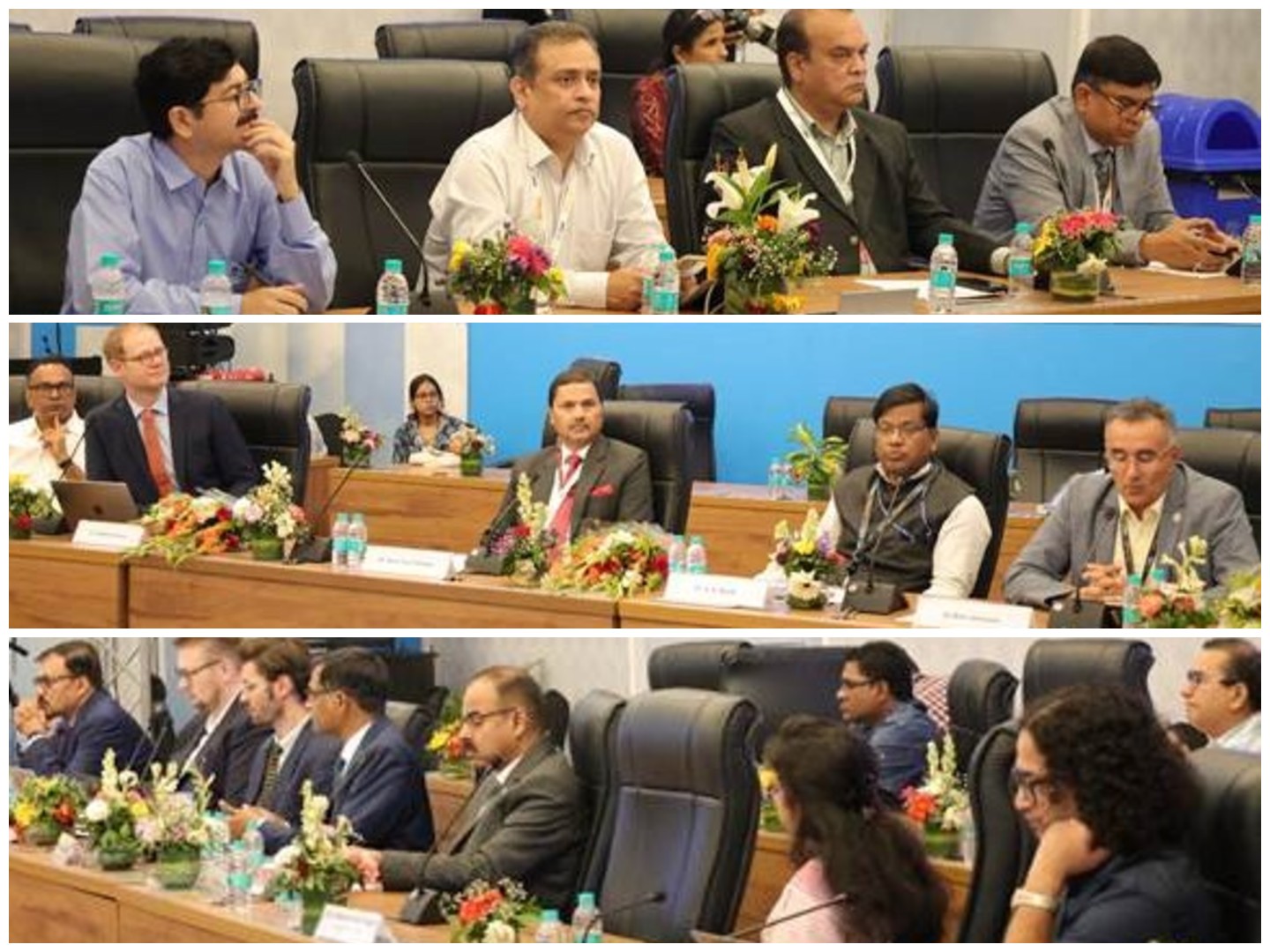
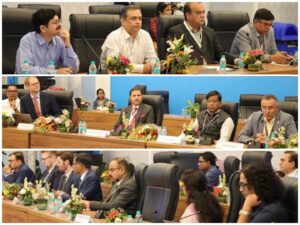
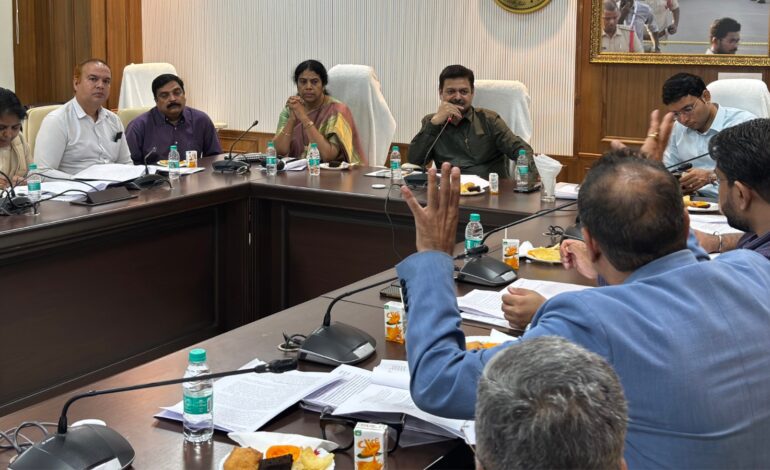
New Delhi: Dr Mangi Lal Jat, Secretary, Department of Agricultural Research and Education (DARE) and Director General, Indian Council of Agricultural Research chaired the first meeting of a newly constituted Special Task Force aimed at strengthening India’s agricultural resilience in the face of emerging global geopolitical challenges in New Delhi on Tuesday.
The high-level task force has been set up to develop strategies to safeguard national food and input security, with a comprehensive framework focusing on farmer outreach, resource efficiency, crop diversification and technology-led interventions.
The meeting outlined an expansion of the ‘Mera Gaon Mera Gaurav’ initiative, with a focus on 100 aspirational districts. The programme will leverage existing institutional mechanisms to provide farmers with a complete package of practices and strengthen field-level confidence.
A major thrust has been placed on optimising soil health and fertiliser use through a dedicated campaign promoting balanced application of fertilisers and bio-inputs. District-level assessments will be undertaken to rationalise fertiliser consumption in key crops such as wheat and rice, aiming to improve efficiency and sustainability.
The task force also emphasised crop diversification and domain mapping, particularly identifying millet-growing regions to enhance land-use efficiency. In low-productivity rice areas, alternative models such as eco-fisheries will be promoted to boost farmer incomes during the Kharif season.
Technology-driven interventions form another key pillar of the strategy. The plan includes scaling up mechanical solutions such as Direct Seeding of Rice, supported by strengthened agrometeorological advisories under the All India Coordinated Research Project on Meteorology to provide real-time guidance to farmers.
To ensure effective implementation, nodal officers have been designated across subject matter divisions to monitor progress on a weekly basis and coordinate a consolidated action plan.
Officials said the task force will function dynamically, convening as required to respond to evolving global and domestic challenges, while providing data-driven inputs to the government through institutional feedback mechanisms.
The initiative reflects a proactive approach by ICAR to build resilience in India’s agriculture sector, ensuring sustainability, productivity and food security in an increasingly uncertain global environment.