Social Justice Ministry Reviews 2025: Scholarships, Livelihood Support and Welfare Reach Expanded Nationwide

The Nasha Mukt Bharat Abhiyaan reached 11.33 crore people, including 4.27 crore youth and 3.33 crore women, with treatment and counselling infrastructure expanded across districts. Artisans, culture and markets.

New Delhi, December 30: The Ministry of Social Justice and Empowerment has recorded a year of expanded outreach and implementation in 2025, scaling up scholarships, livelihood assistance, skill development and rehabilitation programmes for Scheduled Castes (SCs), Other Backward Classes (OBCs), De-notified, Nomadic and Semi-Nomadic Communities (DNTs), Safai Karamcharis, waste pickers, transgender persons and senior citizens, according to its year-end review released by the government.
Education support scaled up
The pre- and post-matric scholarship schemes for SC students saw significant disbursements during the year, with ₹604.15 crore released to 30.74 lakh pre-matric beneficiaries and ₹7,210.80 crore to 61.71 lakh post-matric beneficiaries. Under the SHRESHTA scheme, 2,915 SC students were admitted to 151 private residential schools for 2025–26, with ₹79.37 crore reimbursed to institutions.
The ministry also strengthened higher education access through top class education scholarships, national overseas scholarships, and national fellowships, covering studies from undergraduate to PhD levels across premier institutions in India and abroad.
Livelihoods, credit and entrepreneurship
Under PM-AJAY, ₹307.28 crore was disbursed, benefiting 25,930 SC beneficiaries through livelihood and infrastructure support. The VISVAS interest subvention scheme disbursed ₹19.47 crore, while claims were received for 1.67 lakh beneficiaries in FY 2025–26.
The National Scheduled Castes Finance and Development Corporation (NSFDC) and National Backward Classes Finance and Development Corporation (NBCFDC) expanded concessional credit and self-employment support, together assisting tens of thousands of beneficiaries through loans, subsidies and market linkages.
Sanitation workers, waste pickers and rehabilitation
Under NAMASTE, 19,492 sewer and septic tank workers were profiled, 285 workshops conducted and 68,952 PPE kits supplied, while waste pickers were added as a new target group. The Self Employment Scheme for Rehabilitation of Manual Scavengers (SRMS) provided training and capital subsidies, with compensation and rehabilitation measures strengthened through coordination with states.
Health, seniors and de-addiction
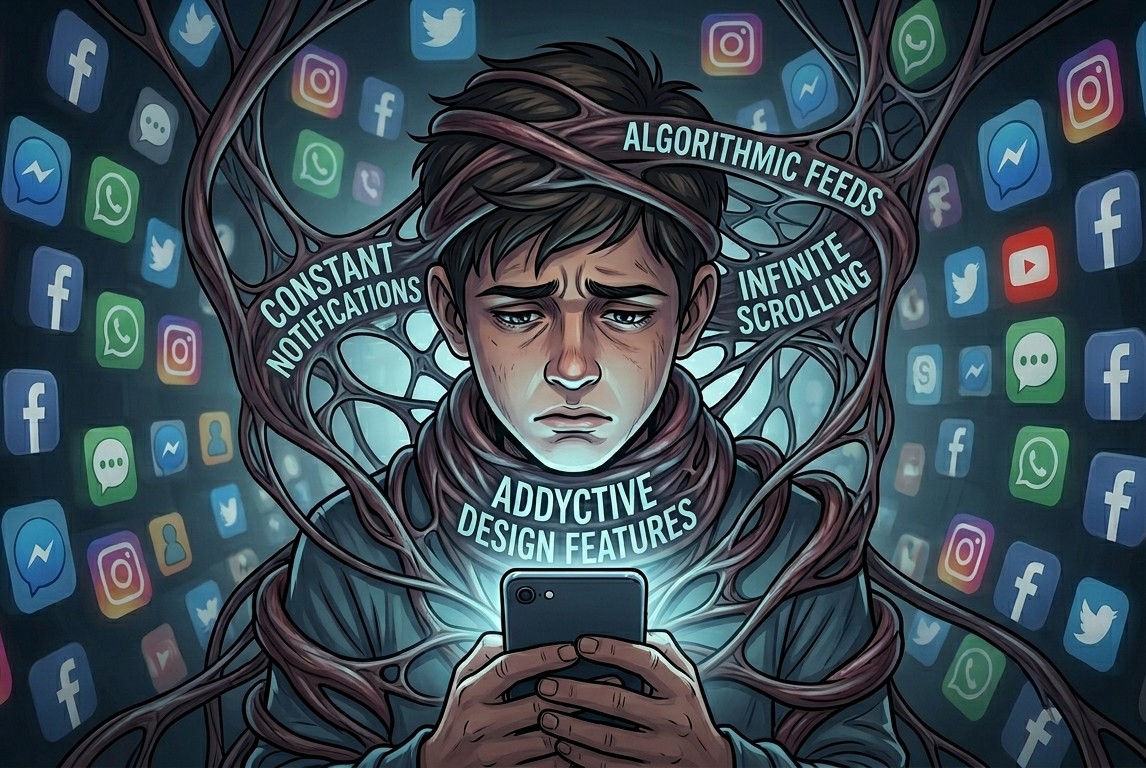
The ministry reported expanded coverage under senior citizen welfare schemes, including assistive devices, helpline services, caregiver training and integrated senior centres. The Nasha Mukt Bharat Abhiyaan reached 11.33 crore people, including 4.27 crore youth and 3.33 crore women, with treatment and counselling infrastructure expanded across districts.
Artisans, culture and markets
The Bharat-TULIP brand was expanded with 100+ artisan products onboarded to ONDC and Amazon, enabling unified branding and wider market access. Traditional artisans participated in national and international trade fairs to boost incomes and visibility.
Transgender welfare and inclusion
Under the SMILE scheme, rehabilitation, skill training and shelter support for transgender persons progressed across states. Garima Grehs were expanded, health coverage strengthened through convergence with Ayushman Bharat, and employment-linked skilling initiatives were scaled up.
Monitoring, grievance redressal and legal safeguards
The National Commission for Scheduled Castes strengthened e-grievance management and conducted inspections, while enforcement of the Protection of Civil Rights Act and SC/ST (Prevention of Atrocities) Act continued with financial assistance, training of enforcement agencies and awareness programmes.
Officials said the 2025 outcomes reflect a focus on education-led mobility, livelihood creation, dignity of labour and technology-enabled delivery, with states and UTs playing a key role in implementation. The ministry indicated that many initiatives will be further scaled in 2026 to deepen inclusion and outcomes across beneficiary groups.