Parliamentary Panel Flags Funding Gaps, Patent Delays and Startup Financing Issues in Commerce Ministry Review

The panel recommended use of technology to speed up processing and suggested exploring a second-tier patent system for incremental innovations, particularly to support startups and MSMEs.

Standing committee calls for stronger budget utilisation, faster patent processing and improved industrial policy execution
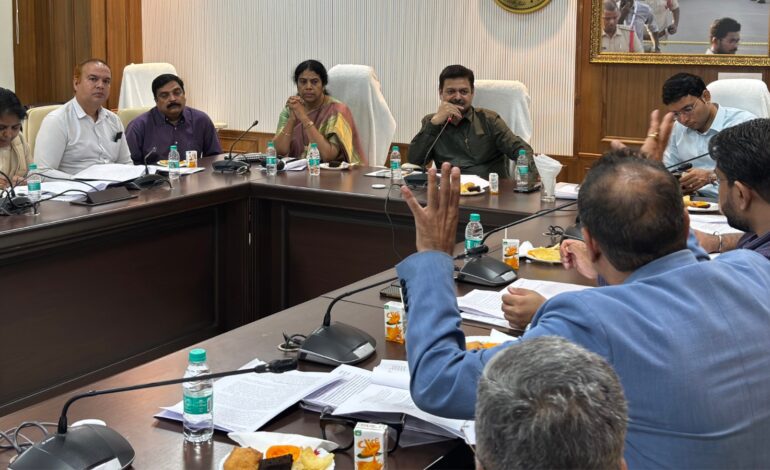
New Delhi: The department-related parliamentary standing committee on commerce has raised concerns over budget shortfalls, delays in patent processing and under-utilisation of funds across key schemes, while reviewing the performance of the Department for Promotion of Industry and Internal Trade (DPIIT).
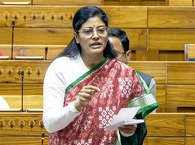
The committee, chaired by Rajya Sabha member Dola Sen, on Wednesday presented its 196th report on demands for grants (2026–27) in Parliament, offering a detailed assessment of industrial policy implementation, startup ecosystem support and infrastructure development.
Budget gaps and utilisation concerns
The panel noted that while allocations for DPIIT have increased significantly, there are wide gaps between budget estimates and actual expenditure, affecting implementation of key programmes.
For 2026–27, the department has sought ₹11,970.83 crore, but the committee highlighted a shortfall of ₹4,610.27 crore compared to demand, warning that such gaps could impact infrastructure and industrial development projects.
It also pointed out that only 80.48% of allocated funds were utilised in 2024–25, and emphasised the need for better financial planning and timely utilisation of funds.
Patent delays and low grant rates
The committee expressed concern over inefficiencies in India’s intellectual property system.
According to the report (page 3), the average time for issuing the first examination report is 25.5 months, while final disposal can take over 34 months for approvals and 46 months for rejections.
Despite an increase in patent filings, the grant rate remains low at around 19%, indicating systemic bottlenecks in examination and approval processes.
The panel recommended use of technology to speed up processing and suggested exploring a second-tier patent system for incremental innovations, particularly to support startups and MSMEs.
Decline in patent applications and global competitiveness
The report noted a decline in patent applications filed by Indian applicants, from 14,271 in 2023 to 13,253 in 2024, reflecting concerns over India’s competitiveness in global innovation.
It recommended measures such as credit support and simplified international patent filing schemes to encourage overseas patent filings by Indian innovators.
Startup funding and ecosystem gaps
While acknowledging the growth of India’s startup ecosystem, the committee flagged funding constraints and uneven support mechanisms.
It noted that over 1.03 lakh startups have been recognised in the past three years, generating over 12 lakh direct jobs, but stressed the need for sustained financial support to maintain growth momentum.
The committee also highlighted a ₹300 crore allocation gap in the Fund of Funds for Startups (FFS) and recommended enhanced funding at the revised estimates stage to avoid disruption in investment flows.
Industrial infrastructure and corridor development
The panel acknowledged progress in national industrial corridor projects, but called for stronger monitoring and faster execution to address bottlenecks such as land acquisition and inter-agency coordination.
It emphasised that delays in infrastructure projects could undermine industrial growth and recommended improved coordination between central and state agencies.
Push for manufacturing and PLI schemes
The committee noted increased government focus on domestic manufacturing under initiatives such as Make in India, but raised concerns over low utilisation of funds in production-linked incentive (PLI) schemes, particularly in sectors like white goods.
It recommended expanding beneficiary participation and improving disbursement mechanisms to enhance scheme effectiveness.
Ease of doing business and regulatory reforms
The panel highlighted the need to strengthen the national single window system (NSWS) to streamline approvals and reduce compliance burden.
It recommended establishing a dedicated inter-ministerial coordination cell within DPIIT to monitor implementation and ensure time-bound clearances.
Environmental compliance and CETPs
The committee also emphasised the importance of common effluent treatment plants (CETPs) for industrial sustainability and recommended better coordination with environmental authorities to ensure compliance and effective functioning.
The report underscores the need for stronger policy execution, improved funding mechanisms and institutional reforms to sustain India’s industrial growth and enhance global competitiveness.