Parliamentary Panel Calls for Stronger Budget Planning, Electoral Transparency in Report on Legislative Department and ECI
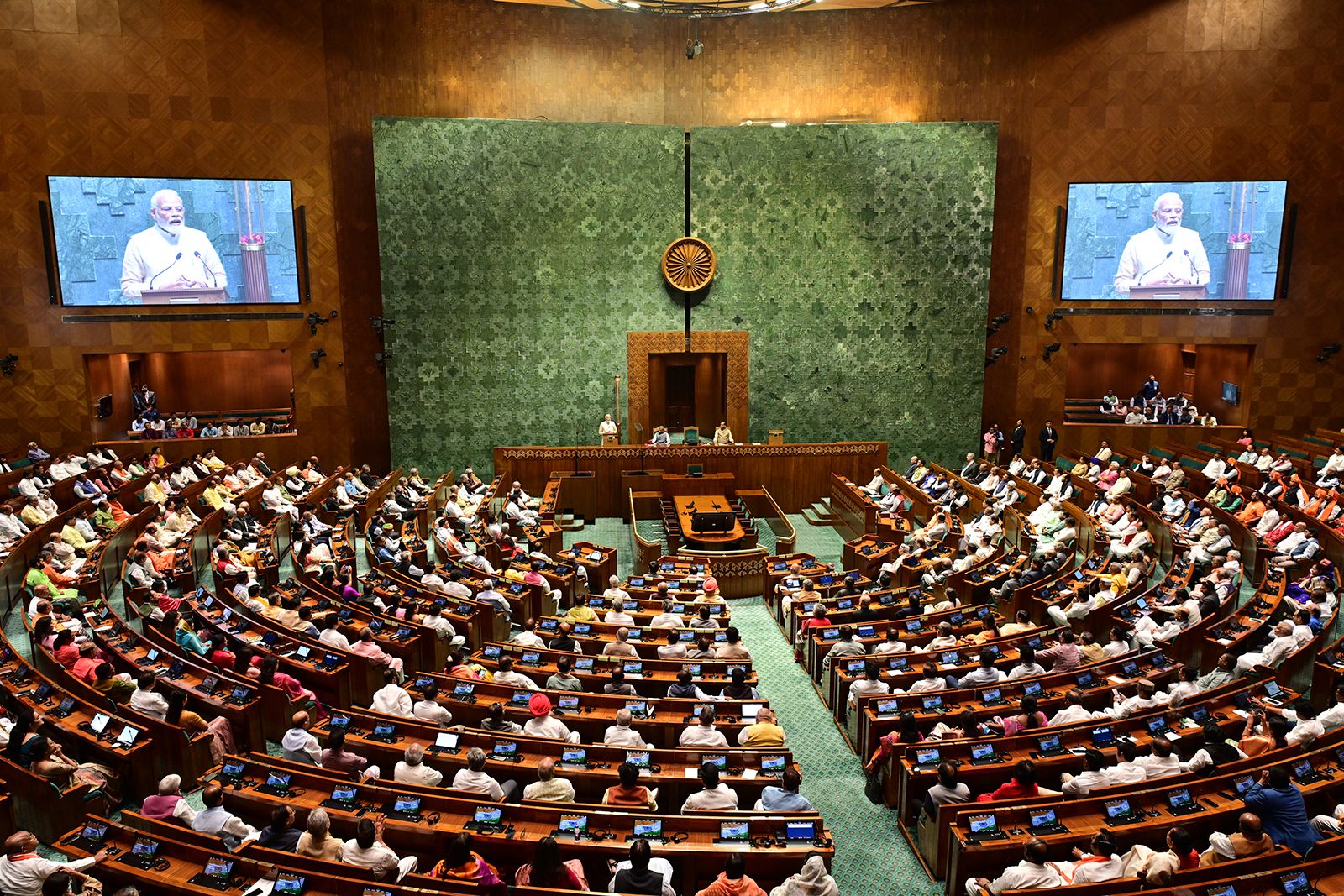
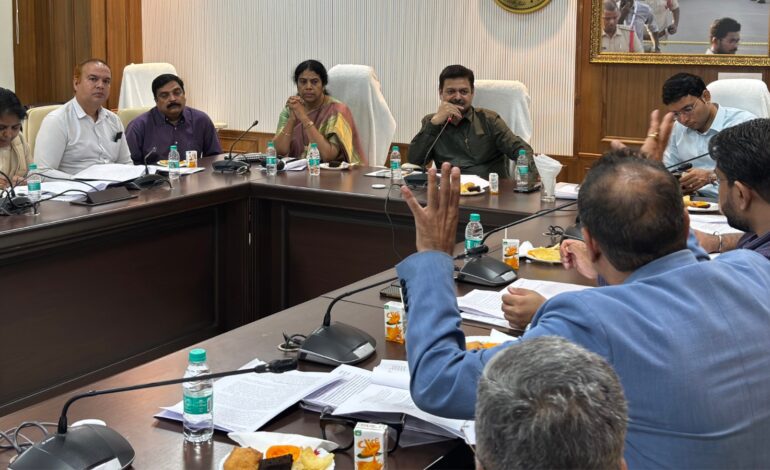
The report, chaired by Rajya Sabha member Brij Lal, was presented to both Houses of Parliament on March 16 after examining the performance, policies and expenditure patterns of the legislative department and the election commission of India.

Standing committee flags expenditure gaps, staffing shortages and recommends reforms to improve legislative drafting and electoral processes
New Delhi: The department-related parliamentary standing committee on personnel, public grievances, law and justice has recommended stronger budget forecasting, improved staffing capacity and enhanced transparency in electoral processes in its 163rd report on the demands for grants (2026–27) of the legislative department.
The report, chaired by Rajya Sabha member Brij Lal, was presented to both Houses of Parliament on March 16 after examining the performance, policies and expenditure patterns of the legislative department and the election commission of India.
Concerns over budget estimation and expenditure gaps
The committee noted discrepancies between budget estimates and actual expenditure in recent financial years. According to the report, actual expenditure of ₹4,229.01 crore in 2024–25 exceeded the revised estimates of ₹3,468.41 crore, indicating shortcomings in financial forecasting.
The panel recommended that the legislative department strengthen its budgeting and forecasting mechanisms so that projections are better aligned with expected expenditure patterns.
It also asked the department to provide a detailed explanation for variations in revised estimates for 2025–26 and to prepare a clearer procurement and expenditure roadmap for electronic voting machines (EVMs) to avoid large budget fluctuations in future years.
Vacancies and institutional capacity flagged
The committee expressed concern over the large number of vacant posts in the legislative department, particularly in technical and professional categories.
It recommended that recruitment processes be expedited and streamlined with a time-bound action plan to fill vacancies and strengthen institutional capacity for legislative drafting and policy work.
The panel also emphasised the need for a comprehensive assessment of the department’s workload and staffing patterns, particularly during parliamentary sessions when legislative activity intensifies.
Call for review of obsolete laws
The committee urged the government to accelerate efforts to repeal outdated and redundant laws through a systematic and time-bound review process.
It recommended developing a structured mechanism to periodically identify obsolete statutory provisions and conduct post-legislative impact assessments to evaluate whether amendments and repeals have effectively reduced litigation and administrative delays.
Recommendations for Election Commission reforms
The report also examined budget allocations and policy issues relating to the election commission of India (ECI).
The committee observed that significant vacancies in the commission could affect administrative efficiency and recommended that recruitment be expedited to ensure optimal utilization of human resources.
It further called for stronger monitoring mechanisms to ensure uniform implementation of electoral roll revision processes and strict adherence to data privacy and security protocols for documents uploaded on the election commission integrated network (ECINET).
Improving voter accessibility and polling infrastructure
The panel suggested adopting a flexible, area-specific approach to locating polling stations, especially in remote, tribal, rural and hilly regions where geographic constraints may affect voter access.
It also recommended periodic accessibility assessments to identify areas where voters face difficulties reaching polling stations due to terrain or distance.
The committee further suggested examining technical improvements such as enhanced lighting and display features for EVMs, strengthening voter slip distribution systems and ensuring that no village remains without reasonable access to a polling booth.
Technology and transparency in elections
Among the other recommendations, the committee advised exploring technological measures to strengthen the principle of “one person, one vote”, improve transparency in the functioning of EVMs and VVPAT systems, and facilitate participation of migrant workers in the electoral process.
It also suggested developing a transparent, real-time system for disseminating voter turnout data to improve public confidence and reduce disputes during elections.
The report highlights the need for continued institutional reforms to strengthen legislative processes and enhance the transparency and efficiency of India’s electoral system.