National Test House Partners with STQC–ERTL (North) to Enable EMI–EMC Testing for Drones, Strengthening India’s Certification Ecosystem

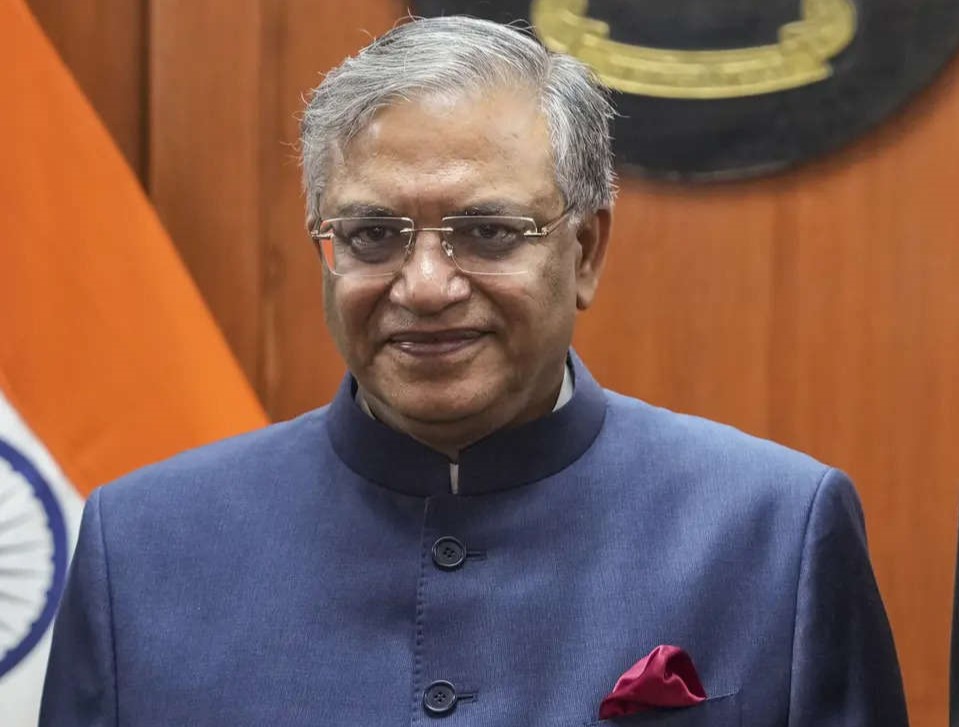
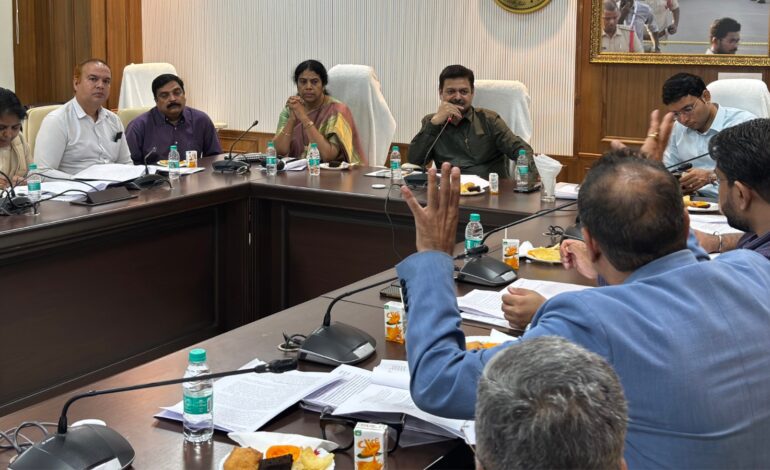
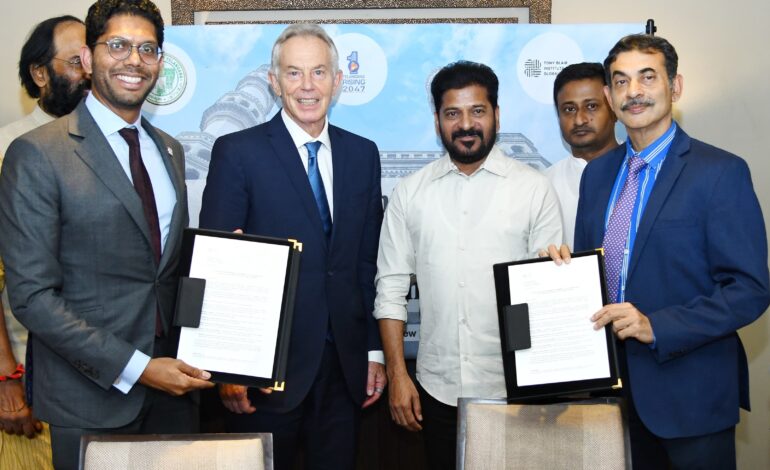
The Memorandum of Understanding (MoU) was signed on February 2, 2026, in the presence of senior officials including Nidhi Khare, Secretary, Department of Consumer Affairs; Alok Kumar Srivastava, Director General, National Test House; Vivek Kashyap, Scientist ‘G’, STQC Directorate; and Pradeep Gunjyal, Scientist ‘F’ and Director, ERTL (North).

New Delhi: In a significant move to strengthen India’s drone testing and certification infrastructure, the National Test House (NTH) has entered into a government-to-government collaboration with the Standardization Testing & Quality Certification Directorate – Electronics Regional Test Laboratory (North) [STQC–ERTL (North)] under the Ministry of Electronics & Information Technology (MeitY).
The partnership will enable Electromagnetic Interference (EMI) and Electromagnetic Compatibility (EMC) testing of drones, addressing a critical regulatory requirement and reinforcing India’s ambition to emerge as a globally competitive hub for safe, reliable, and certified unmanned aircraft systems (UAS).
The collaboration aligns closely with the Government of India’s flagship initiatives including Make in India, Atmanirbhar Bharat, and the long-term national vision for technology leadership under Vision 2047.
Strengthening Compliance Under Drone Rules
EMI and EMC testing is a mandatory component under the Drone Rules, 2021 and the Certification Scheme for Unmanned Aircraft Systems (CSUAS), 2022, ensuring that drones and their subsystems operate safely without causing or being affected by electromagnetic disturbances.
By formalising this collaboration, NTH significantly enhances India’s institutional capability to certify drones that are safe, reliable, and compliant with global standards, while reducing dependence on private or overseas testing facilities.
The Memorandum of Understanding (MoU) was signed on February 2, 2026, in the presence of senior officials including Nidhi Khare, Secretary, Department of Consumer Affairs; Alok Kumar Srivastava, Director General, National Test House; Vivek Kashyap, Scientist ‘G’, STQC Directorate; and Pradeep Gunjyal, Scientist ‘F’ and Director, ERTL (North).
Division of Testing Responsibilities
Under the MoU, EMI/EMC and immunity testing of drones and their subsystems will be conducted at ERTL (North) in accordance with applicable IEC 61000 and IS 14700 standards. NTH will continue to conduct all other required tests at its own laboratories.
Test reports generated through this collaborative framework will be seamlessly integrated into the Type Certification process under CSUAS. This creates a single, government-backed certification pathway that is transparent, credible, and efficient—particularly beneficial for Indian startups and MSMEs operating in the drone sector.
Reducing Costs, Avoiding Duplication
A key advantage of the partnership lies in its infrastructure-led approach. By leveraging existing national laboratories instead of duplicating high-cost testing infrastructure, the collaboration ensures optimal utilisation of public assets while keeping certification costs significantly lower than private alternatives.
Officials noted that this approach strengthens regulatory oversight while simultaneously improving affordability and access—two factors critical to scaling India’s drone manufacturing ecosystem.
Enhancing Global Acceptance of Indian Drones
Drones certified through the NTH–STQC framework will meet internationally recognised benchmarks, including IEC/ISO, MIL-STD, ASTM, and RTCA standards. This is expected to enhance global acceptance of Indian-certified drones and support exports in an increasingly competitive global UAS market.
By aligning domestic certification processes with international norms, the initiative positions India as a credible certification destination for emerging drone technologies.
Enabling Innovation Across Sectors
The availability of affordable, world-class testing and certification is expected to accelerate innovation and adoption of drones across high-impact sectors such as agriculture, logistics, healthcare, disaster management, infrastructure monitoring, and smart cities.
As drones increasingly become part of critical infrastructure and public services, robust testing for electromagnetic safety and reliability is essential to ensure operational integrity in complex environments.
Building a Future-Ready Certification Ecosystem
The collaboration marks an important milestone in expanding NTH’s role in India’s emerging technology landscape. NTH is already approved by the Directorate General of Civil Aviation (DGCA) and the Quality Council of India (QCI) as a Certification Body and Authorised Testing Entity under CSUAS.
Established in 1912, NTH is one of India’s oldest scientific testing institutions, operating under the department of consumer affairs. With a nationwide network of NABL-accredited laboratories, it provides testing, inspection, quality assurance, and certification services across diverse sectors.
With the NTH–STQC partnership, India takes a decisive step toward building a robust, indigenous, and future-ready drone certification ecosystem—one that balances safety, affordability, regulatory credibility, and global competitiveness.