India Turns Diversity into the Strength of Its Democracy, Says Modi at Commonwealth Speakers’ Conference
New Delhi: Prime Minister Narendra Modi on Thursday said India has demonstrated that democratic institutions and democratic processes can deliver stability, speed and scale, as he inaugurated the 28th Conference
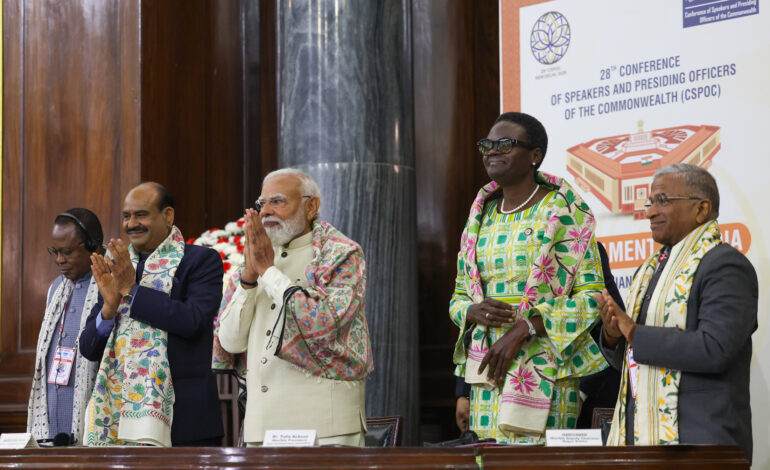
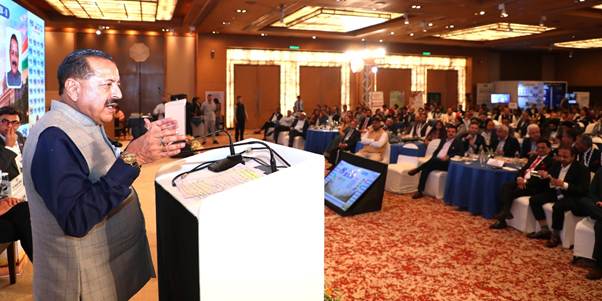
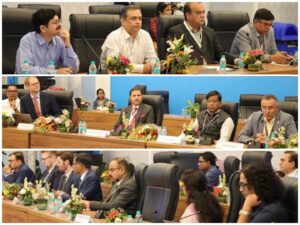
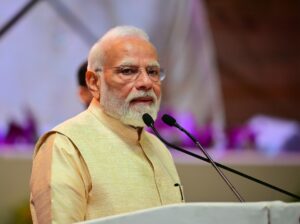
Prime Minister Narendra Modi, Lok Sabha Speaker Om Birla and other dignitaries during the 28th Conference of Speakers and Presiding Officers of the Commonwealth (CSPOC) at the Central Hall of Samvidhan Sadan in the Parliament House Complex, New Delhi, on Thursday. Photo Credit: PIB

New Delhi: Prime Minister Narendra Modi on Thursday said India has demonstrated that democratic institutions and democratic processes can deliver stability, speed and scale, as he inaugurated the 28th Conference of Speakers and Presiding Officers of the Commonwealth (CSPOC) at the Central Hall of Samvidhan Sadan in the Parliament House Complex.
Addressing delegates from across the Commonwealth, Modi said that when India attained independence, there were widespread doubts about whether democracy could survive in a country marked by such vast diversity. “India turned this very diversity into the strength of its democracy,” he said, adding that the country has also disproved the belief that development and democracy cannot go together.
The Prime Minister said India’s democratic framework has enabled last-mile delivery of welfare, ensuring that benefits reach citizens without discrimination. “In India, democracy delivers,” he said, noting that around 25 crore people have moved out of poverty in recent years due to a governance model rooted in public welfare and inclusion.
Highlighting India’s economic and institutional scale, Modi said the country is today the fastest-growing major economy in the world and leads globally in several sectors, including digital payments through UPI, vaccine production and milk output. He said India has also emerged as the third-largest startup ecosystem, the third-largest aviation market and the fourth-largest railway network globally.
Modi described Indian democracy as “a large tree supported by deep roots”, pointing to the country’s long tradition of debate, dialogue and collective decision-making. Referring to India as the “Mother of Democracy”, he cited references from the Vedas, Buddhist sanghas and a 10th-century village assembly in Tamil Nadu to underline the civilisational roots of democratic practices in the country.
Emphasising the scale of India’s democratic exercise, the Prime Minister said the 2024 general elections were the largest in human history, with nearly 980 million registered voters, more than 8,000 candidates and over 700 political parties. He also highlighted the growing leadership role of women in Indian democracy, noting that India has about 1.5 million elected women representatives at the grassroots level, accounting for nearly half of local leadership positions.
On the global stage, Modi said India is consistently raising the concerns of the Global South at international forums. He recalled that during India’s G20 presidency, the priorities of the Global South were placed at the centre of the global agenda. He added that India is building open-source digital platforms to enable partner countries in the Global South and the Commonwealth to adopt similar systems.
The Prime Minister also highlighted the use of technology in strengthening parliamentary democracy, noting that the Indian Parliament has begun using artificial intelligence to translate debates and House proceedings into regional languages in real time, making parliamentary processes more accessible, especially to younger citizens.
The inaugural session was attended by Om Birla, Harivansh, Tulia Ackson, and Christopher Kalila, among other dignitaries.
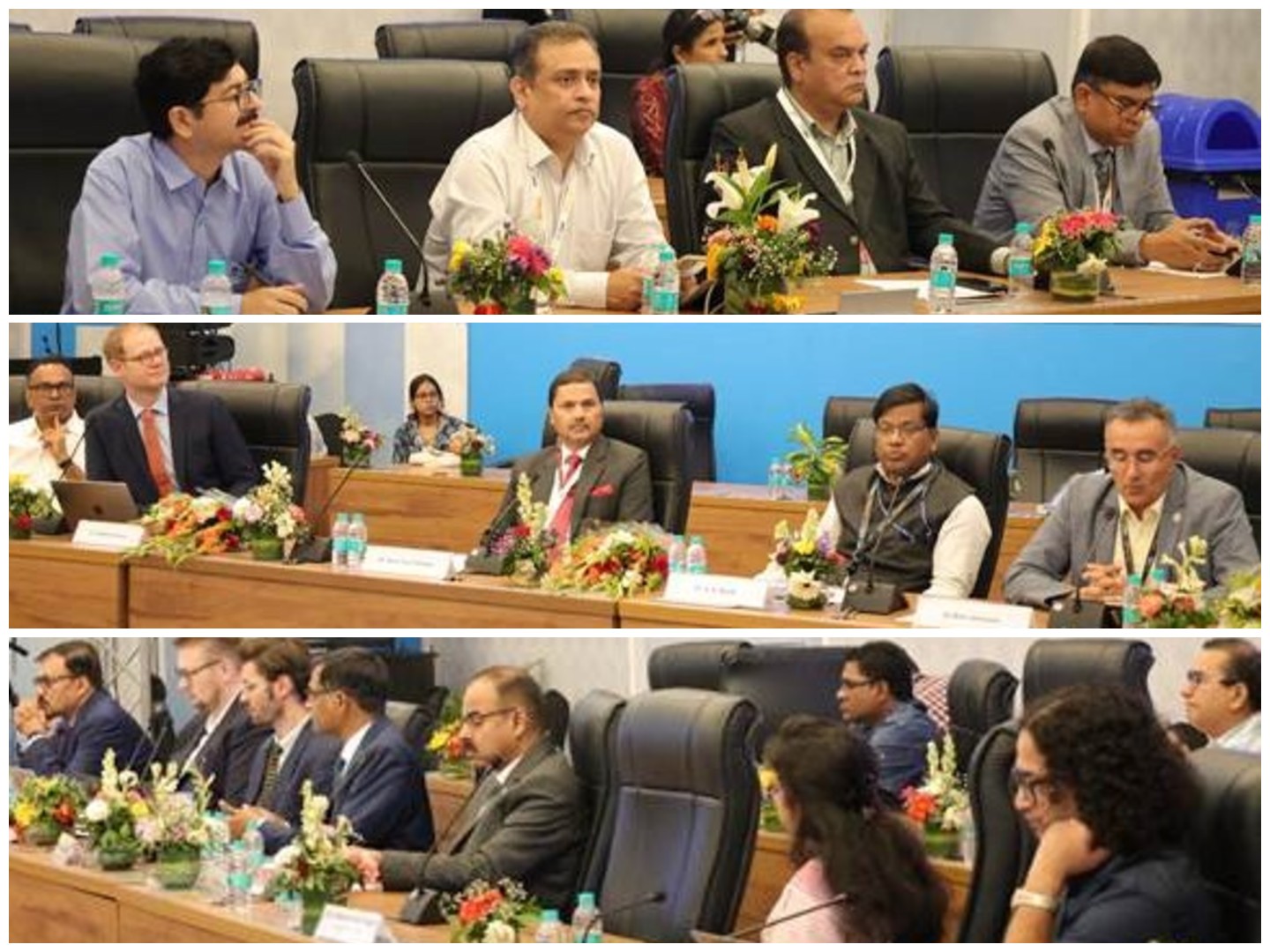
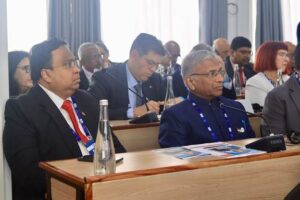
The 28th CSPOC is being attended by 61 Speakers and Presiding Officers from 42 Commonwealth countries and four semi-autonomous parliaments. Chaired by the Lok Sabha Speaker, the conference will deliberate on contemporary parliamentary issues, including the role of presiding officers in strengthening democratic institutions, the use of artificial intelligence in parliamentary functioning, the impact of social media on legislators and ways to deepen citizen engagement beyond elections.