Repatriation of Piprahwa Relics Symbolises Shared Stewardship, Say Scholars at Buddhist Philosophy Panel
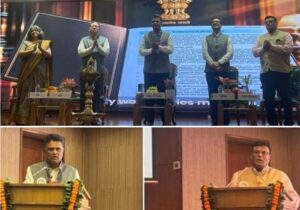
New Delhi, January 5: The repatriation of the Sacred Piprahwa Relics represents an act of shared stewardship rather than ownership, scholars said during a panel discussion on Buddhist Philosophy held
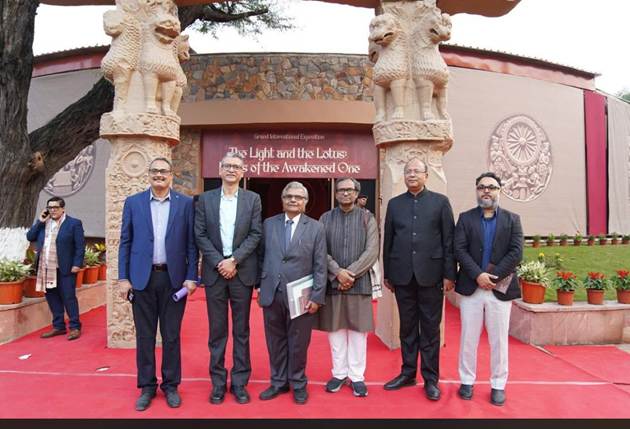
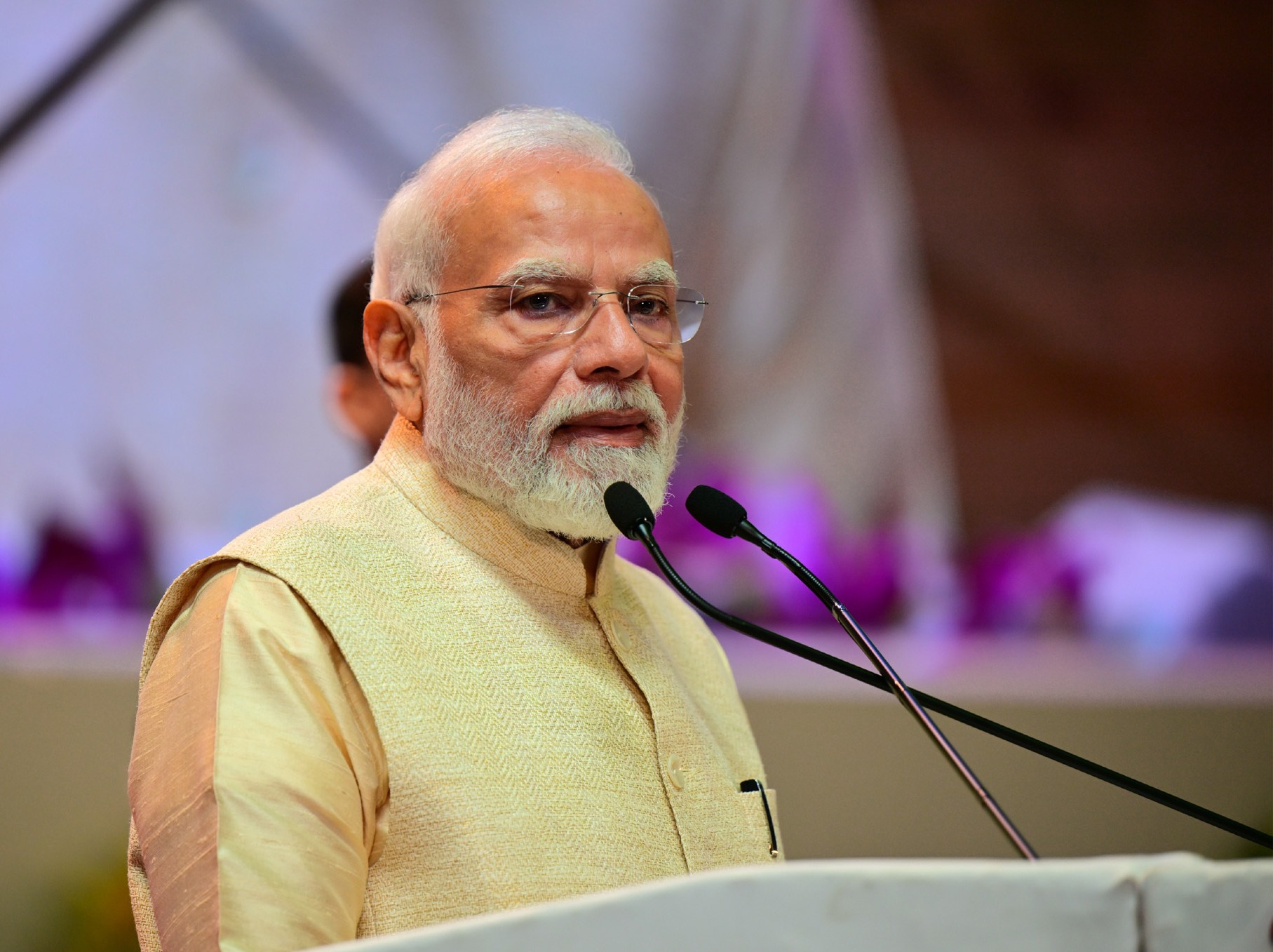
The discussion was organised on the occasion of the inauguration of the Grand International Exhibition of the Sacred Piprahwa Relics by Narendra Modi, and brought together leading academics and practitioners of Buddhist studies to reflect on the philosophical, ethical and civilisational significance of the relics.

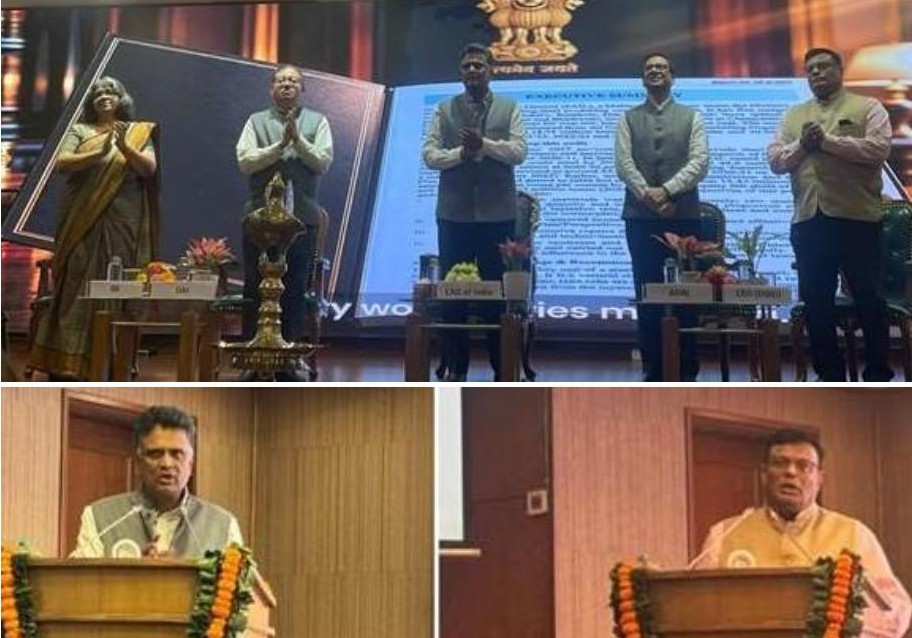
New Delhi, January 5: The repatriation of the Sacred Piprahwa Relics represents an act of shared stewardship rather than ownership, scholars said during a panel discussion on Buddhist Philosophy held at the Rai Pithora Cultural Complex here on Monday.
The discussion was organised on the occasion of the inauguration of the Grand International Exhibition of the Sacred Piprahwa Relics by Narendra Modi, and brought together leading academics and practitioners of Buddhist studies to reflect on the philosophical, ethical and civilisational significance of the relics.
The session was chaired by Siddharth Singh, Vice-Chancellor of Nava Nalanda Mahavihara. The panel included Nalin Kumar Shastri, Bala Ganpathi, Anand Singh, Rajnish Mishra, and Ujjwal Kumar.
Buddha’s message spread through dialogue, not coercion
In his presidential address, Prof. Siddharth Singh said the teachings of the Buddha spread across the world not through force or coercion, but through dialogue, ethical conduct and personal example. He observed that Buddhism, like other Dharma-based traditions, is concerned with the purification of the human mind and the alleviation of suffering, rather than proselytisation.
He noted that the Buddha’s relics continue to sustain living traditions by linking contemporary practitioners with the historical Buddha, adding that the return of the Piprahwa relics reflects a spirit of shared responsibility for humanity’s cultural heritage.
Relevance of Buddhist thought in contemporary times
Prof. Nalin Kumar Shastri said the repatriation of the relics underscores the renewed relevance of Buddhist philosophy in addressing modern challenges. He highlighted the role of Buddhist principles in promoting ethical governance, environmental sustainability and mental well-being, pointing to concepts such as Anattā, the Brahmavihāras and Pratītyasamutpāda as vital for social harmony and ecological responsibility.
Prof. Anand Singh described the relics as symbolic embodiments of the Dhamma, integrating the living presence of the Buddha with his teachings. He noted that relic veneration played a key role in shaping Buddhist sacred geography through stūpas and caityas, while also allowing accommodation of local cultural elements without diluting core philosophical values.
India as the Motherland of Dhamma
Prof. Bala Ganpathi emphasised that Buddhism’s global acceptance lies in its philosophical depth and ethical universality. He described the Piprahwa relics as living reminders of the Buddha’s message and reaffirmed India’s civilisational role as the Motherland of Dhamma, offering a humane framework for peace and coexistence in a fractured world.
Prof. Rajnish Mishra highlighted the intellectual continuities between Buddhist and classical Indian thought, noting the shared milieu of Śramaṇic and Brāhmaṇical traditions and the historical role of centres such as Varanasi in fostering philosophical dialogue.
Prof. Ujjwal Kumar elaborated on doctrinal distinctions between stūpa and cetiya, explaining their central place in Buddhist ethical and devotional life, and recalled the significance of Sarnath as the site of the Buddha’s first sermon.
The panel collectively acknowledged the efforts of the Prime Minister and the Ministry of Culture in facilitating the repatriation of the Piprahwa relics, describing the initiative as a gesture of cultural stewardship, global goodwill and India’s enduring commitment to peace and shared human values.