Ministry of Jal Shakti Reviews Progress in Over-Exploited and Critical Groundwater Districts
New Delhi, December 31: The Ministry of Jal Shakti on Monday reviewed the implementation of Jal Sanchay Jan Bhagidari (JSJB) 2.0 across 124 over-exploited and critical groundwater districts, as identified

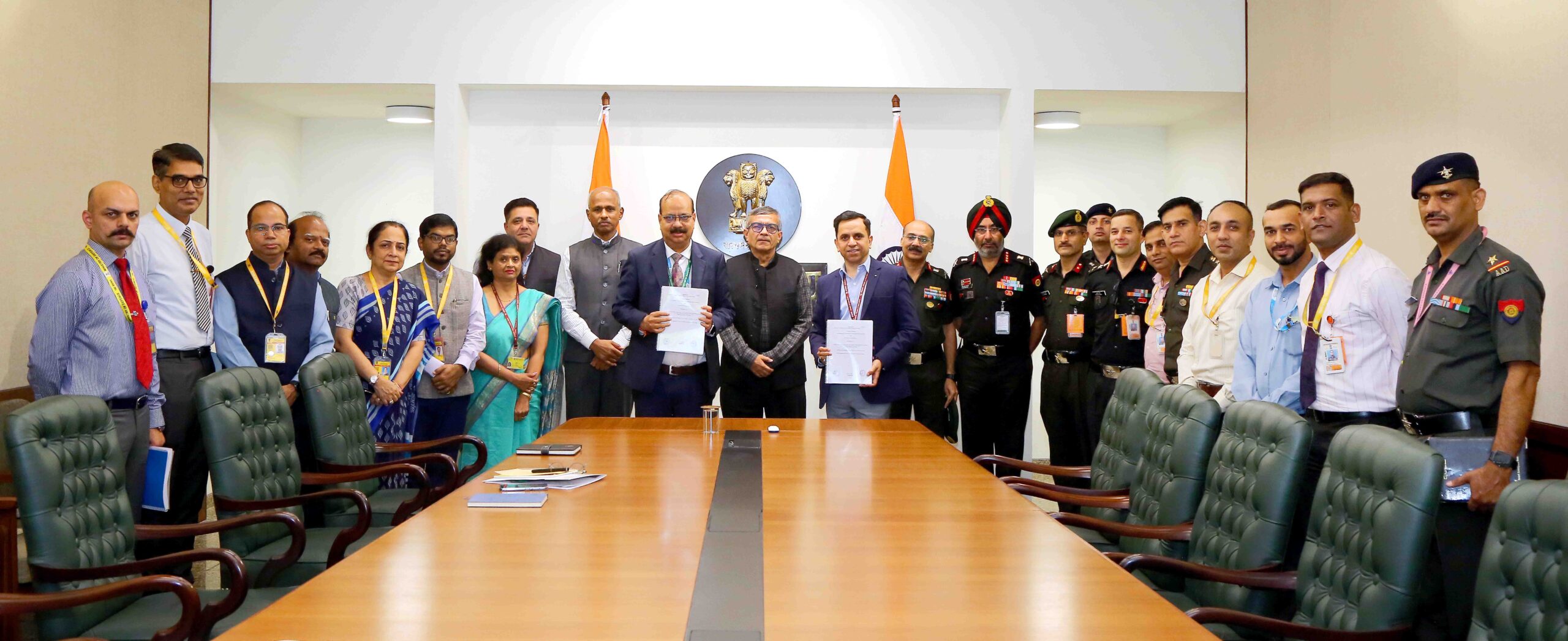
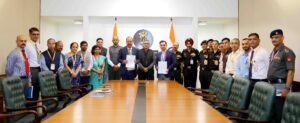
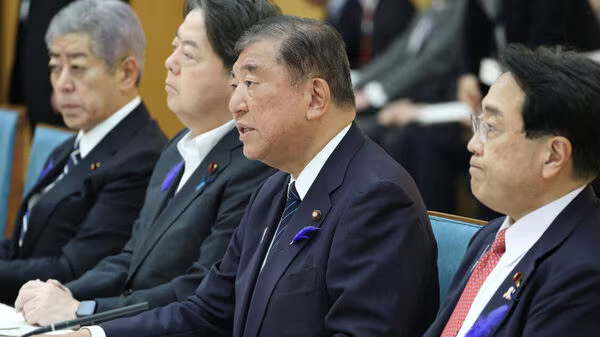
Union Minister of Jal Shakti CR Patil chaired the review meeting through an interaction with District Collectors and District Development Officers from the identified districts. Ministers of State V. Somanna and Raj Bhushan Choudhary also participated, along with Secretary, Department of Water Resources VL Kantha Rao and senior officials from the Ministries of Jal Shakti and Rural Development.

New Delhi, December 31: The Ministry of Jal Shakti on Monday reviewed the implementation of Jal Sanchay Jan Bhagidari (JSJB) 2.0 across 124 over-exploited and critical groundwater districts, as identified in the 2024 national groundwater assessment, with a renewed push to accelerate water conservation and recharge efforts in the country’s most stressed regions.
Union Minister of Jal Shakti CR Patil chaired the review meeting through an interaction with District Collectors and District Development Officers from the identified districts. Ministers of State V. Somanna and Raj Bhushan Choudhary also participated, along with Secretary, Department of Water Resources VL Kantha Rao and senior officials from the Ministries of Jal Shakti and Rural Development.
The review focused on progress under JSJB 2.0, a flagship initiative aimed at creating one crore artificial groundwater recharge and water storage structures by May 31, 2026, to strengthen long-term water security and sustainability of water sources.
Addressing the officials, the minister highlighted that 65 percent of MGNREGA funds in over-exploited and critical blocks have been earmarked for water-related works, reflecting the government’s priority on addressing groundwater stress. He also informed that 15 additional water conservation and groundwater recharge activities have been approved under MGNREGA exclusively for over-exploited, critical and semi-critical districts.
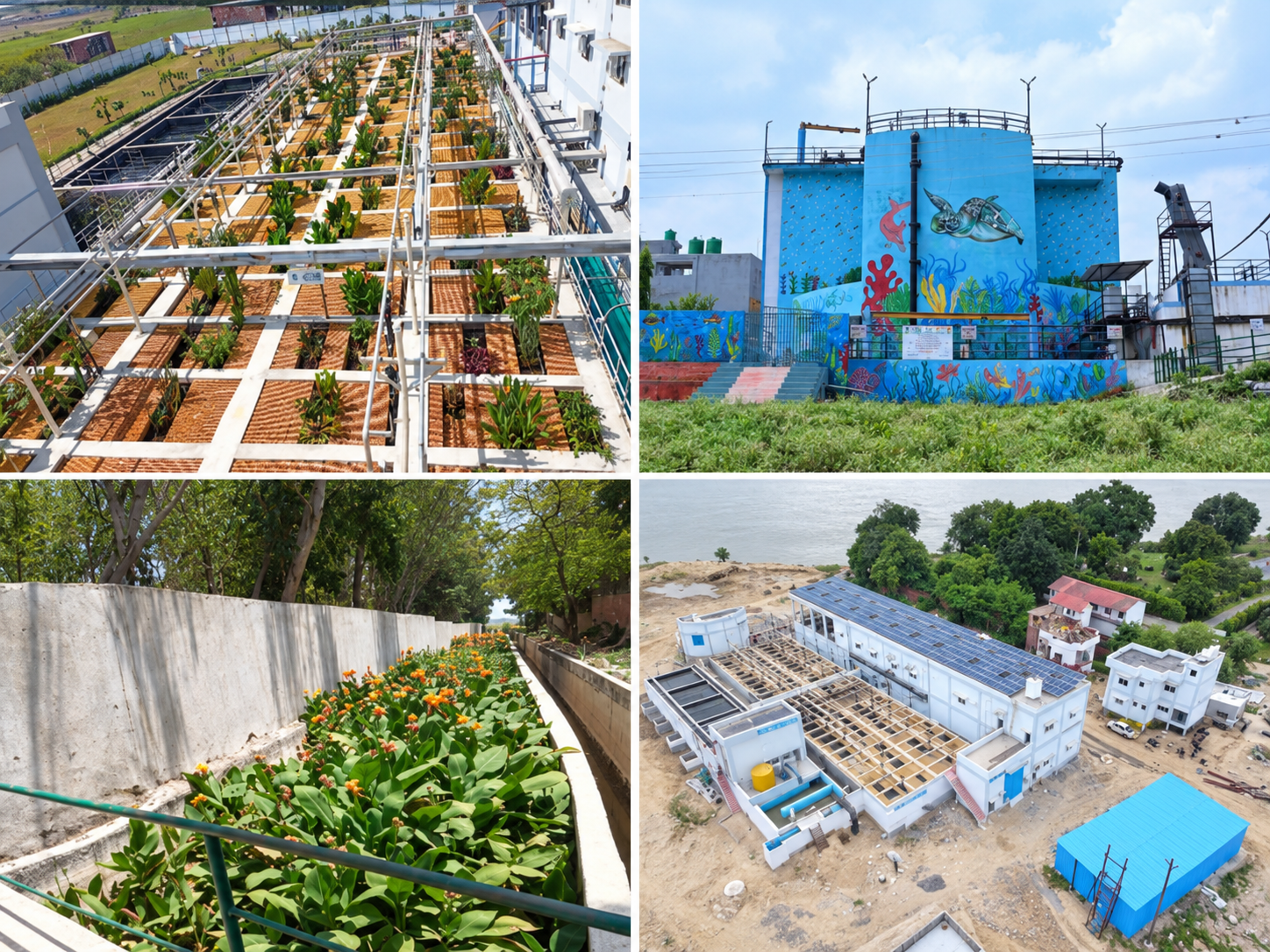
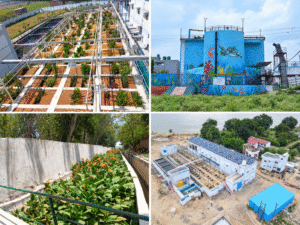
These newly permitted activities include recharge shafts, injection wells, filtration ponds, artificial wetlands, renovation of traditional water bodies and spring collection chambers, aimed at enhancing groundwater recharge capacity and restoring local water systems.
Districts were advised to leverage scientific feasibility maps prepared by BISAG, seek technical support from the Central Ground Water Board (CGWB), and ensure convergence of schemes for faster and more effective implementation. District Collectors were urged to focus on measurable outcomes, community participation and timely reporting of progress.
During the meeting, the top three performing districts under JSJB 2.0 — Banaskantha (Gujarat), Salem (Tamil Nadu) and Barmer (Rajasthan) — presented their best practices. Their presentations highlighted strong community involvement, scientific planning and rapid execution of water conservation works as key success factors.
The ministry reiterated that Jal Sanchay Jan Bhagidari 2.0 is envisioned as a whole-of-government and whole-of-society initiative, aimed at scaling up water conservation through public participation, inter-departmental coordination and scientific planning to address India’s growing groundwater challenges.