Lifestyle, Sustainability Drive Shift in Farmland Ownership as India Looks Toward 2026: Hosachiguru
Bengaluru, December 23: The way Indians perceive land and ownership is undergoing a significant transformation, with lifestyle aspirations, sustainability, and long-term well-being increasingly shaping investment decisions, according to Hosachiguru. The
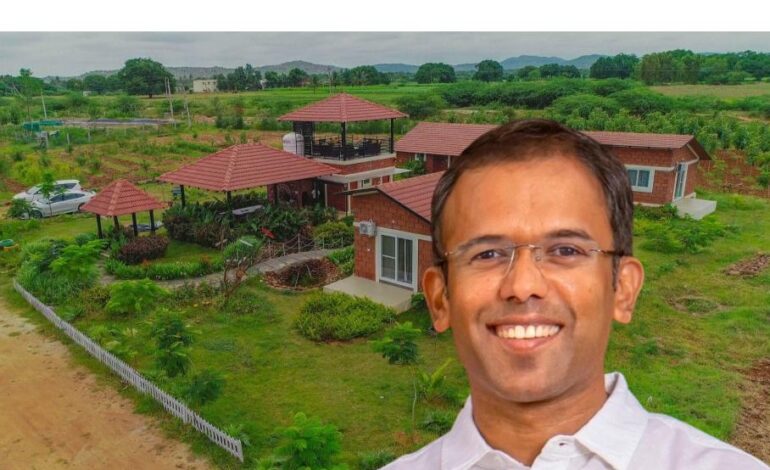
As the country moves toward 2026, farmland is emerging as a preferred asset class not merely for financial returns but for the quality of life it offers, said Srinath Setty, chief executive officer and co-founder of Hosachiguru.

Bengaluru, December 23: The way Indians perceive land and ownership is undergoing a significant transformation, with lifestyle aspirations, sustainability, and long-term well-being increasingly shaping investment decisions, according to Hosachiguru. The Bebgaluru-based company helps people buy agricultural land and manages them on their behalf through its farm-as-a-service model.
As the country moves toward 2026, farmland is emerging as a preferred asset class not merely for financial returns but for the quality of life it offers, said Srinath Setty, chief executive officer and co-founder of Hosachiguru.
“In India, the conversation around land is changing. People are no longer looking at ownership purely through a returns-driven lens. Families are thinking about their children’s future, elderly buyers are seeking open and peaceful environments, and working professionals want spaces where they can step away from the pace of city life,” Setty said.
He noted that farmland is increasingly meeting these diverse expectations by offering the benefits of real ownership without the burden of daily operational involvement.
“What stands out is the balance it offers—real ownership without daily operational complexity, along with the flexibility to engage as much or as little as one chooses. This makes it especially relevant for modern buyers who want land to add value to their lives, not responsibility,” he said.
Hosachiguru is also seeing strong demand in and around Bengaluru, driven by a combination of infrastructure development, cultural inclusivity, and long-term economic prospects.
“The region supports both active careers and future retirement planning, making it a natural choice for farmland ownership,” Setty said.
A notable trend highlighted by the company is the growing interest from younger buyers. According to Setty, an increasing number of investors are under 30 years of age, including first-time investors.
“Coming from families that already own multiple urban properties, they are consciously choosing farmland as a more meaningful, calming, and future-ready asset,” he said.
As India’s real estate and investment landscape evolves, Hosachiguru believes farmland is steadily positioning itself as a resilient, lifestyle-aligned investment class that blends emotional value with long-term security, reflecting broader shifts in how Indians define wealth, ownership, and well-being.