India, Russia Explore New Nuclear Cooperation; SMRs, Fuel Cycle Localisation on Agenda
New Delhi, December 4: India and Russia have opened discussions on expanding collaboration in nuclear energy, with a focus on small modular reactors (SMRs), localisation of equipment manufacturing, and wider
One of the new areas under consideration is the construction of Russian-design SMRs in India, marking a shift toward flexible, modular nuclear capacity that can support industrial and distributed power requirements.

New Delhi, December 4: India and Russia have opened discussions on expanding collaboration in nuclear energy, with a focus on small modular reactors (SMRs), localisation of equipment manufacturing, and wider cooperation across the nuclear fuel cycle.
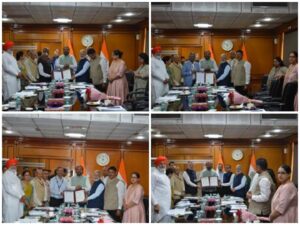
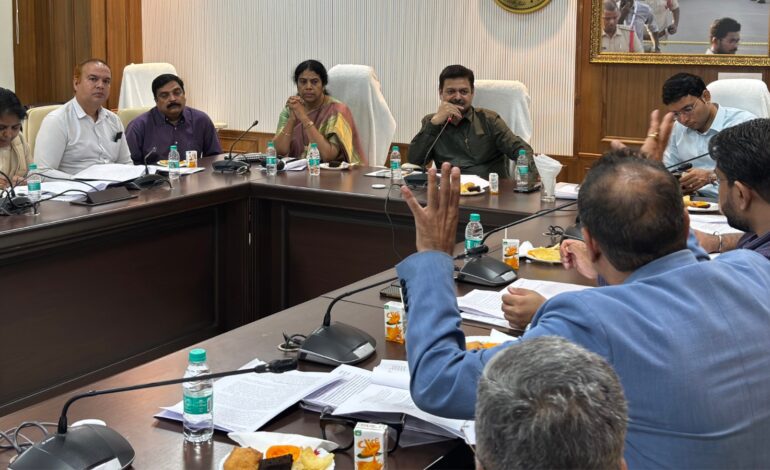
A meeting between the Department of Atomic Energy (DAE) and Russia’s Rosatom reviewed possibilities for developing projects related to both large-scale and small-scale nuclear power plants. Particular emphasis was placed on opportunities to localise equipment production in India as part of the next phase of bilateral civil nuclear cooperation.
One of the new areas under consideration is the construction of Russian-design SMRs in India, marking a shift toward flexible, modular nuclear capacity that can support industrial and distributed power requirements.
Domestic SMR Mission Progressing
The Union Budget 2025–26 announced a dedicated ₹20,000-crore outlay under the Nuclear Energy Mission to develop and commercially deploy five indigenous SMRs by 2033.
DAE’s research institutions have already initiated work on three SMR technologies:
• BSMR-200: A 200 MWe Bharat Small Modular Reactor
• SMR-55: A 55 MWe small modular reactor
• High-temperature gas-cooled reactor (up to 5 MWth): Designed for hydrogen generation
Lead demonstration units for these designs are proposed to be constructed at DAE sites, with construction timelines of 60 to 72 months after project sanction.
Industry-Focused Bharat Small Reactors (BSRs)
NPCIL is simultaneously progressing with the Bharat Small Reactor (BSR) programme for captive industrial use.
A Request for Proposal (RFP) was issued on December 31, 2024, in line with the business model cleared by the government.
A pre-proposal meeting with industries was held in February 2025; NPCIL has published detailed clarifications online. Following industry requests, the deadline for submitting proposals has been extended to March 31, 2026.
Atomic Energy Bill 2025 Nears Completion
The Atomic Energy Bill 2025 is in the final stages of inter-ministerial processing. Feedback from multiple ministries and legal vetting by the Ministry of Law and Justice are being incorporated. The Bill will codify updated regulatory, safety and commercial provisions for India’s expanding civil nuclear ecosystem.
With indigenous reactor development advancing and international partnerships deepening, India is preparing for a next-generation nuclear expansion built on technology innovation, industrial participation and long-term energy security.