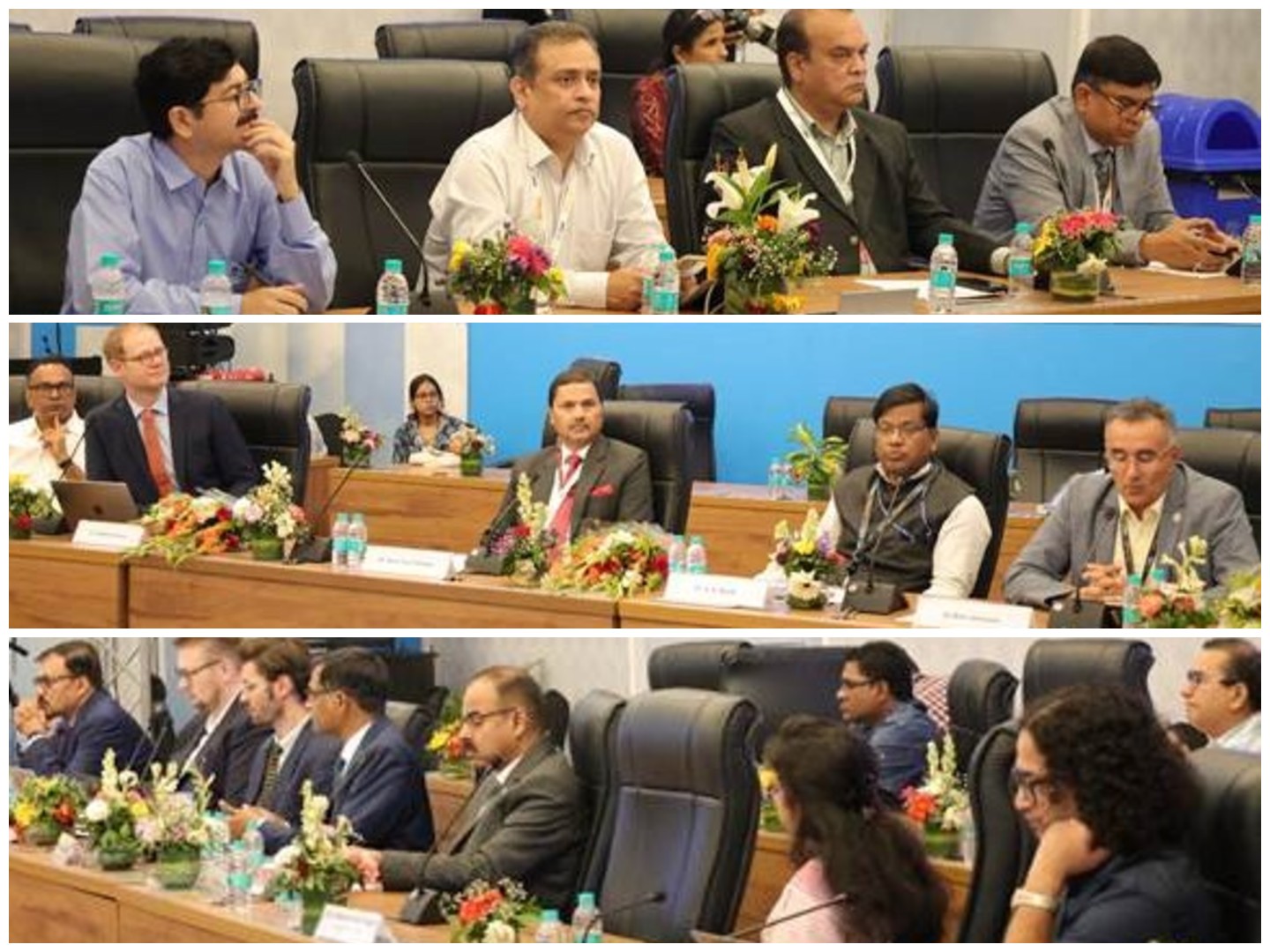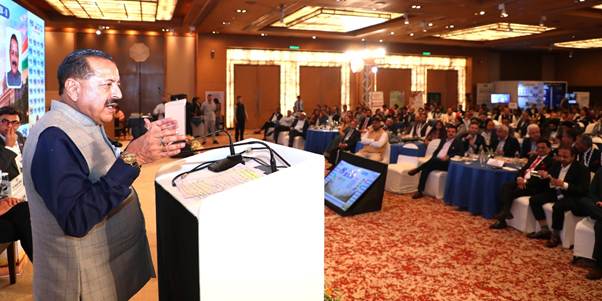
Corporate Gender Data Disclosure Up 51% in Five Years; Women’s Workforce Share Stagnates at 18%: Udaiti Foundation Report
New Delhi, December 2: Gender-data reporting by India’s listed companies has risen sharply over the past five years, even as women’s overall workforce representation remains stuck at 18 percent, according

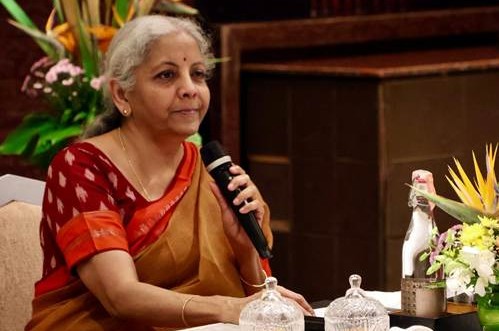
Pooja Sharma Goyal, Founding CEO of Udaiti, said meaningful change requires faster progress.

New Delhi, December 2: Gender-data reporting by India’s listed companies has risen sharply over the past five years, even as women’s overall workforce representation remains stuck at 18 percent, according to Udaiti’s Close the Gender Gap (CGG) Dashboard 2025. The foundation released the findings of its fifth annual study on Tuesday, highlighting both measurable progress and continuing structural challenges in women’s economic participation.
Udaiti reported that 1,386 NSE-listed companies — 53 percent of all listed firms — disclosed gender-disaggregated data in FY24-25, up from 915 firms in FY20-21. The 51 percent increase in data transparency marks a major shift in corporate compliance and public accountability. However, the organisation cautioned that incomplete reporting still obscures the full picture of women’s workforce participation.
Pooja Sharma Goyal, Founding CEO of Udaiti, said meaningful change requires faster progress. “Women’s employment grew 7 percent against a 6 percent rise in the total workforce, but this growth is not enough to increase women’s share beyond 18 percent. Until reporting becomes comprehensive, the real barriers will remain hidden,” she said. She added that India’s new labour codes, if implemented effectively, can accelerate women’s inclusion.
Polarised Workforce Participation Landscape
The data reveals a highly uneven distribution of women in India Inc:
- 52 percent of companies employ less than 10 percent women, indicating widespread under-representation.
- Meanwhile, around 33 companies have more than 50 percent women employees, showing what is possible with strong internal policy alignment.
Sector-wise performance showed a mixed picture. Hospitals & Labs increased women’s participation from 45% to 48%, and Consumer Services rose from 30% to 34%. But traditionally strong sectors such as IT (34%) and Banking (26%) showed no improvement.
Examples of companies outperforming their sector averages include:
- Igarashi Motors (72% women; sector average 15%)
- Apex Frozen Foods (76% women; FMCG avg ~21%)
- Aditya Birla Fashion (71% women; sector avg 34%)
Moderate Gains in Pay Parity, But Gaps Persist
The gender pay gap halved from 6.7% to 3.3% during FY24-25. Notably, some male-dominated sectors like Pharma (+8%) and Consumer Durables (+7%) reported a reverse pay gap, with women earning more on average. Conversely, sectors such as Textiles (30.4%) and Metals & Mining (17%) continue to exhibit large disparities.
Leadership Representation Driven Largely by Regulation
Women’s representation on corporate boards rose from 18% to 22%, driven primarily by SEBI mandates. Persistent gaps remain in critical leadership layers — only 10 percent of companies have more than one woman in Key Management Personnel positions, signalling a leaky pipeline. Banking continues to lag with just 15 percent women on boards and 8 percent in KMP roles.
POSH Reporting Up, But Case Resolution Remains Slow
Workplace sexual harassment complaints increased 16 percent, suggesting rising awareness and trust in reporting. However, pending cases rose 28 percent, highlighting the need for faster redressal mechanisms. Sectors like Metals & Mining and Media & Entertainment recorded higher complaint rates.
A Workforce of 13.4 Million: The Data Universe
The FY24-25 CGG Dashboard analysed 1,386 NSE-listed companies employing 13.4 million workers, of whom 2.4 million are women. The findings are based on BRSR disclosures and annual reports.
About Udaiti Foundation
Udaiti aims to raise India’s Female Labour Force Participation rate to 70 percent by 2047 through systemic reforms, data-driven insights, and partnerships. Its initiatives, including the Close the Gender Gap Data Hub and the Women’s Economic Empowerment Index, have reached around 300,000 individuals, including entrepreneurs.