Petroleum Sector to Benefit from Stronger Safety, Welfare Under New Labour Codes: Centre
New Delhi, December 2: India’s petroleum industry is set for a major overhaul in workplace safety, welfare, and regulatory standards with the implementation of the four new labour codes, which
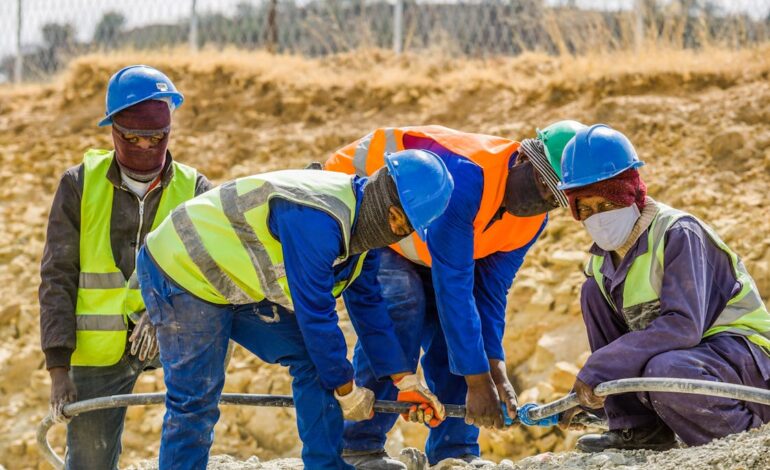
The reforms are expected to strengthen operational discipline, improve emergency readiness, enhance health safeguards, and streamline oversight for a sector central to India’s energy security.

New Delhi, December 2: India’s petroleum industry is set for a major overhaul in workplace safety, welfare, and regulatory standards with the implementation of the four new labour codes, which the government says will replace a fragmented compliance regime with a unified, technology-enabled system, according to a government statement issued on Monday.
According to the Ministry of Labour and Employment, the reforms—comprising the Occupational Safety, Health and Working Conditions (OSHWC) Code, 2020, the Social Security Code, 2020, the Industrial Relations Code, 2020 and the Code on Wages, 2019—create an integrated framework for operational safety and worker welfare across high-risk petroleum operations.
Unified safety rules for a high-risk industry
The petroleum sector, which handles flammable hydrocarbons, toxic gases such as hydrogen sulphide, benzene vapours, LNG, LPG and high-temperature process streams, has long relied on the Factories Act, 1948. The earlier system, the government notes, was limited, inspector-driven, and inadequate for modern multi-location operations such as pipelines, LNG terminals, refineries and fuel depots.
The OSHWC Code brings all petroleum facilities under a single national safety architecture with mandatory:
- Hazard identification and risk assessment
- Operational approvals before starting hazardous activities
- Modern safety standards for storage, transport and processing
- Competency-based training and certification for workers
- Annual medical check-ups and exposure-linked health surveillance
- Stricter emergency preparedness, including mock drills and on-site plans
- Right to refuse unsafe work, especially for vulnerable categories such as pregnant women and adolescents.
The new inspector-cum-facilitator model, combined with digital submissions and risk-based inspections, aims to reduce procedural delays while strengthening safety governance.
Expanded welfare coverage under Social Security Code
The Social Security Code extends ESIC benefits—including medical care, injury and disability compensation, maternity protection and occupational disease coverage—to petroleum operations. Digital health and social-security records will ensure transparency and portability for workers across sites.
From compliance-heavy to prevention-driven
The government says the transition marks a shift from a reactive, document-driven approach to one based on prevention, continuous monitoring and workforce empowerment. Together, the OSHWC and Social Security Codes aim to boost productivity, reduce disruptions, and enhance global compliance across the sector.
“A safer, more resilient petroleum ecosystem”
The reforms are expected to strengthen operational discipline, improve emergency readiness, enhance health safeguards, and streamline oversight for a sector central to India’s energy security. The ministry said the modernised framework will help build “a healthier skilled workforce, stronger industrial resilience and a globally compliant petroleum system,” the government said.