When Great Governance Meets Poor Communication: How PIB Is Failing India’s Development Story
Why are more experienced journalists, editors, digital storytellers, photographers, graphic designers, videographers, and communication specialists not being integrated into government communication systems?
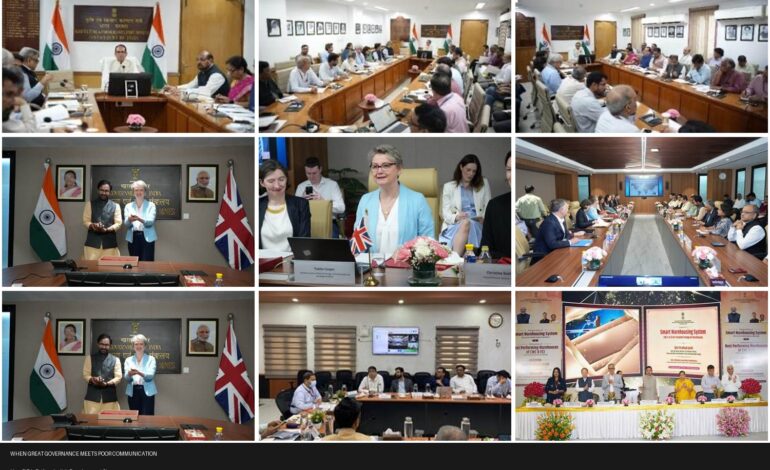
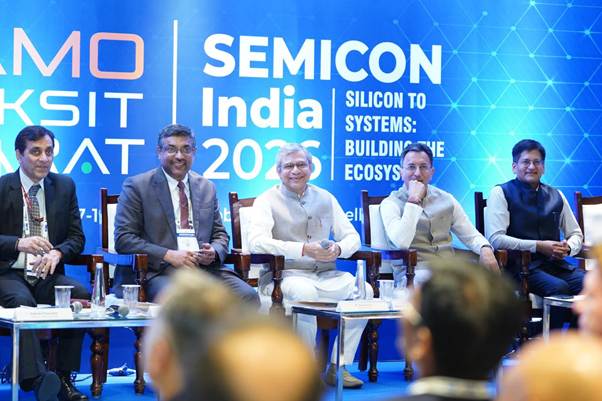
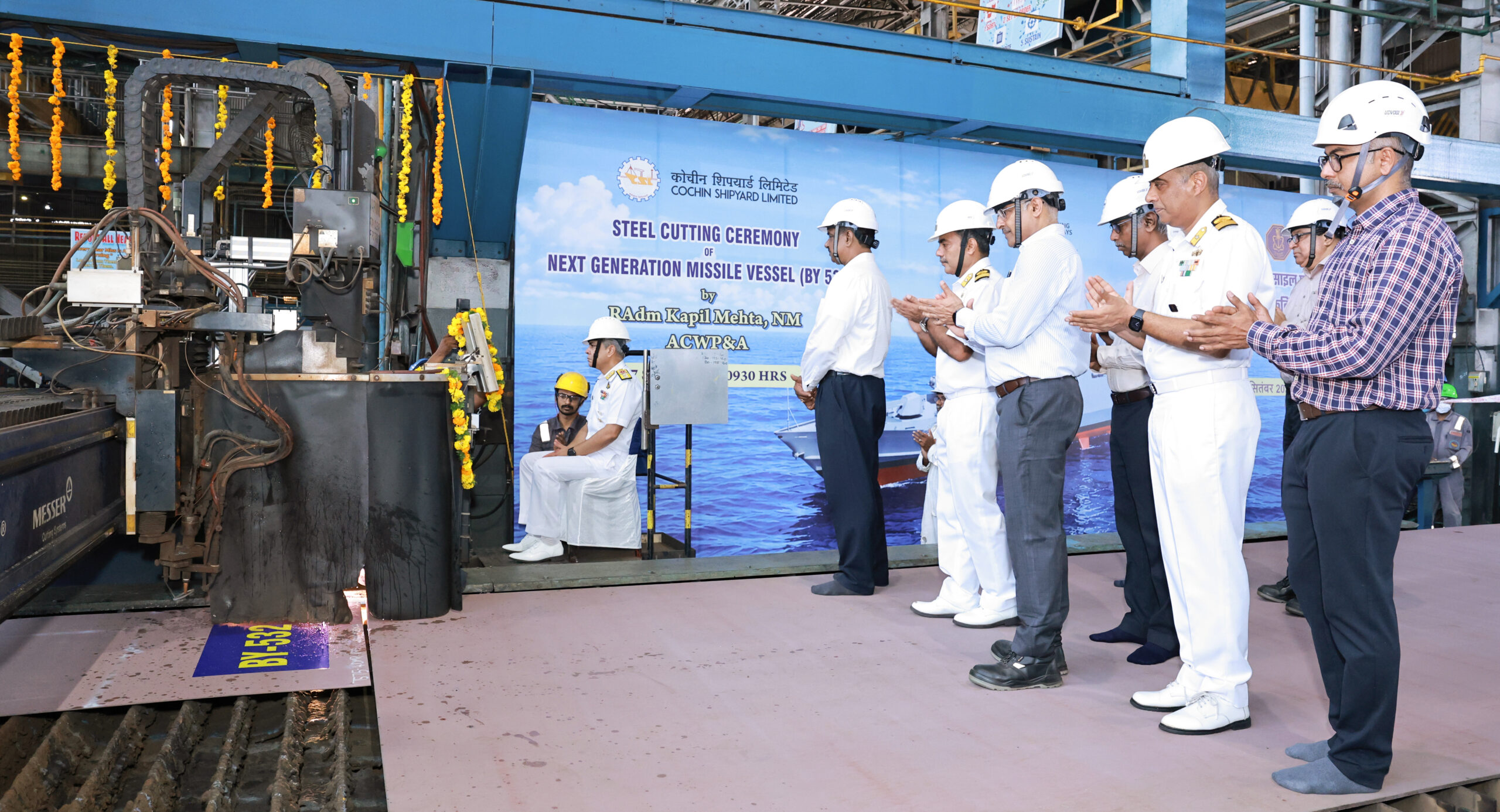
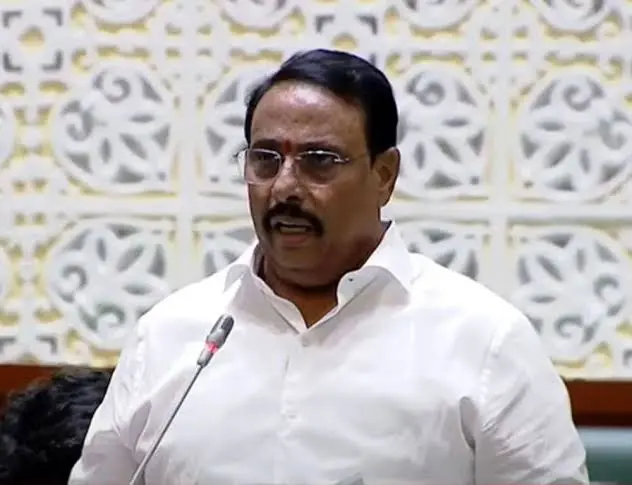
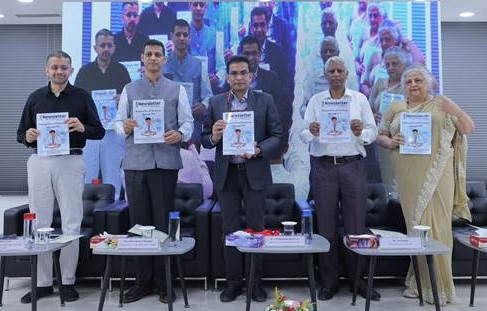
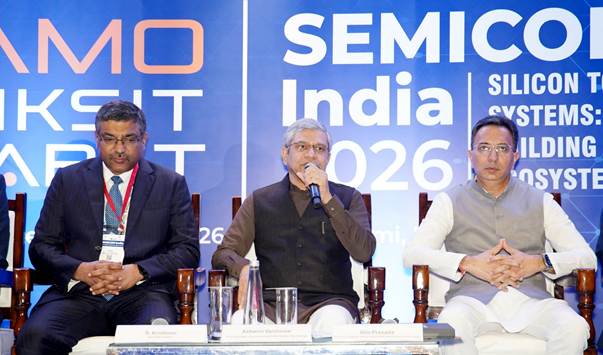
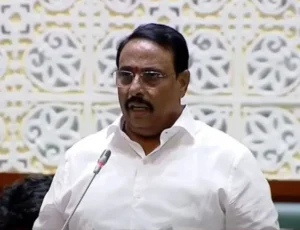
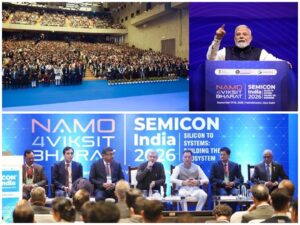
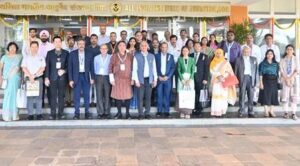
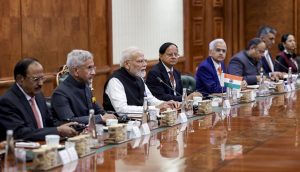
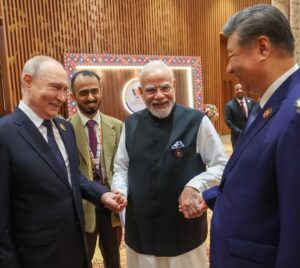
Many PIB photographs are supplied in resolutions too small for modern digital publishing requirements. Images frequently appear blurred, poorly framed, poorly lit, or compressed to the point where they become unusable.

In an age where original content has become one of the scarcest commodities in journalism, media organizations are desperately searching for authentic, credible, and verifiable information. Ironically, one of the largest repositories of original content in India already exists within the government itself – the Press Information Bureau (PIB).
Every day, PIB receives information directly from ministries, departments, public sector enterprises, regulatory bodies, and constitutional authorities. Unlike many other content sources, its releases originate from official channels and often contain information that is not available anywhere else. In theory, this should make PIB one of the most influential and trusted content providers in the country.
Yet, for many journalists and editors, PIB releases remain among the most underutilized sources of information.
The reason is not the lack of content.
The problem is the quality of presentation.
Great Information, Poor Communication
A typical PIB release often contains valuable information hidden beneath layers of bureaucratic language. Important announcements are buried under lengthy paragraphs, repetitive descriptions, and official jargon that make reading difficult.
The fundamental purpose of a press release is simple: communicate information quickly, clearly, and accurately.
Unfortunately, many PIB releases appear to be written as administrative notes rather than journalistic content. The result is that editors and reporters frequently have to spend considerable time rewriting the material before publication. In fast-moving digital newsrooms where speed is critical, such additional effort often makes the content less attractive.
The irony is striking.
Government departments spend enormous resources implementing developmental projects, welfare schemes, infrastructure programs, and policy reforms. Yet the communication of these achievements often fails to generate the attention it deserves because the information is not presented in a media-friendly format.
The AI Question
The situation becomes even more puzzling in 2026.
Artificial Intelligence has transformed content creation worldwide. Today, AI-powered tools can improve readability, eliminate grammatical errors, create concise summaries, generate headlines, optimize content for digital platforms, and even adapt stories for different audiences.
Private media organizations, startups, corporations, and public relations agencies have already integrated AI into their content workflows.
Why should a government communication agency continue producing releases that often appear outdated in style and structure?
AI is not a substitute for human judgment, but it can significantly enhance clarity, consistency, and readability. Even a basic AI-assisted editorial workflow could dramatically improve the quality of PIB releases while preserving factual accuracy.
Government communication should be setting standards for excellence, not lagging behind industry practices.
The Bigger Problem: Visual Content
If the writing is often disappointing, the photography can be even more frustrating.
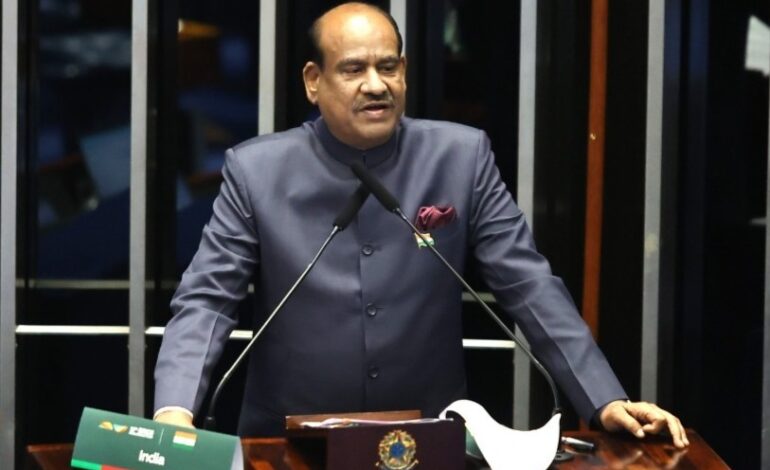
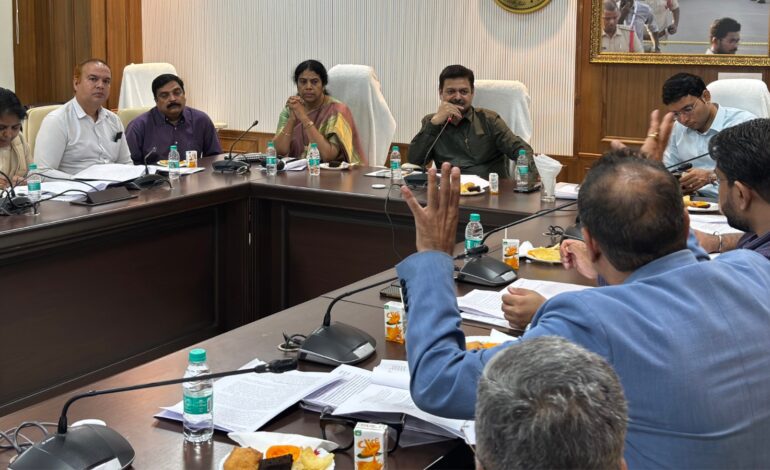
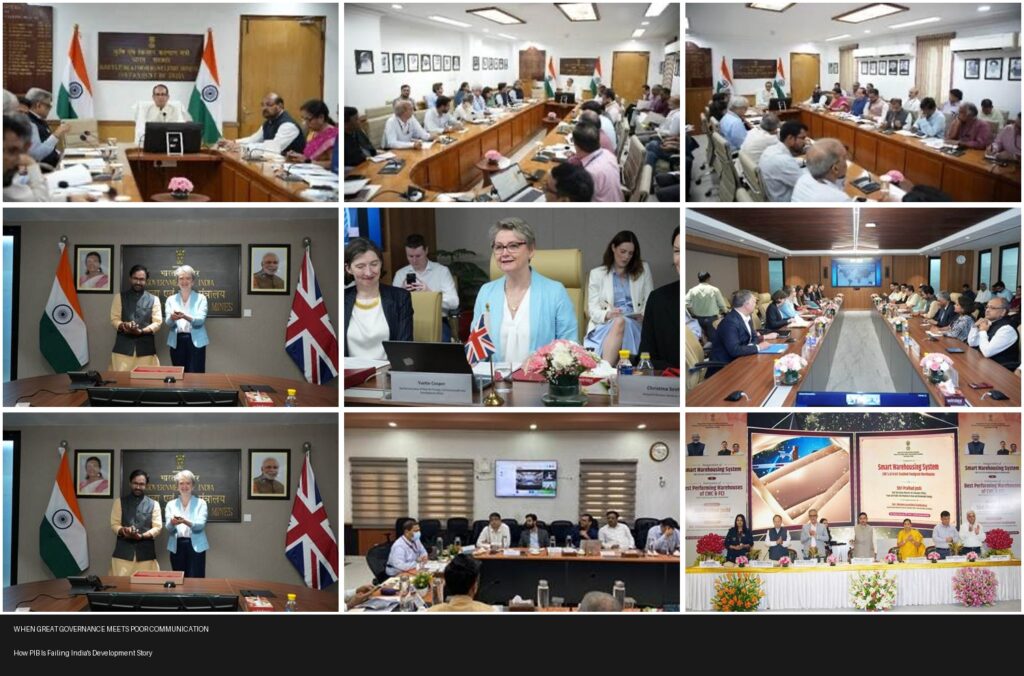
Many PIB photographs are supplied in resolutions too small for modern digital publishing requirements. Images frequently appear blurred, poorly framed, poorly lit, or compressed to the point where they become unusable.
This is surprising because PIB photographers enjoy a unique advantage unavailable to most media organizations. They are present inside official events, conferences, inaugurations, project launches, and ministerial meetings. They have direct access to subjects, venues, and moments that private media photographers often cannot reach.
In theory, PIB should be producing some of the finest documentary photographs of governance and public administration in India.
Instead, editors often struggle to find a single image suitable for publication.
High-quality visuals are no longer optional. In the digital age, photographs frequently determine whether a story gets read, shared, or ignored. A compelling image can communicate a development initiative more effectively than a thousand words.
The government already possesses access. What seems to be missing is a stronger commitment to professional visual storytelling.
Communication Is Not Documentation
One of the recurring misconceptions in government communication is the belief that documentation and communication are the same thing.
They are not.
Documentation records events.
Communication influences understanding.
A government release should not merely record that an event occurred. It should explain why it matters, whom it benefits, how it affects citizens, and what outcomes it is expected to produce.
Citizens are not interested in administrative processes alone. They are interested in impact.
The most successful government communication systems around the world focus relentlessly on outcomes, stories, human benefits, and measurable results.
India’s communication machinery must move in the same direction.
Where Are the Media Professionals?
This raises an important question.
Why are more experienced journalists, editors, digital storytellers, photographers, graphic designers, videographers, and communication specialists not being integrated into government communication systems?
Modern communication requires multidisciplinary expertise. It demands professionals who understand audience behavior, digital platforms, social media dynamics, visual storytelling, search optimization, multimedia production, and data-driven content strategies.
A well-crafted press release today is no longer just text. It is an integrated communication package comprising:
- A strong headline
- A concise summary
- Readable copy
- High-quality photographs
- Infographics
- Video clips
- Social media assets
- Search-friendly metadata
Many private organizations already follow this model.
Government communication should aspire to do the same.
A National Opportunity
The solution does not require massive new budgets.
It requires a shift in mindset.
PIB already has access to information, institutions, experts, events, and nationwide infrastructure. With modern editorial standards, AI-assisted workflows, professional photographers, and experienced media practitioners, it could become one of the world’s most effective public communication agencies.
🚀 PIB 2.0: A Reform Agenda for Modern Government Communication
India’s development story deserves world-class communication. With access to original information, policymakers, projects and events across the country, PIB has the potential to become one of the world’s most effective public communication agencies. To achieve this, a comprehensive modernization strategy is needed.
📝 Professional Editorial Teams
Bring experienced journalists, editors and newsroom professionals into content creation and editorial oversight.
🤖 AI-Assisted Writing
Use AI tools for readability enhancement, grammar correction, summaries, headlines and multilingual content generation.
📸 World-Class Photography
Establish professional standards for high-resolution photography, image editing and visual storytelling.
📊 Infographics & Data Visualization
Accompany every major announcement with infographics, charts and visual explainers for easier public understanding.
🎥 Multimedia Content Studio
Create short videos, reels, podcasts and social media assets alongside traditional press releases.
📱 Digital-First Publishing
Design content specifically for websites, mobile devices and social platforms instead of relying on traditional formats.
📈 Impact Measurement
Track media pickup, engagement rates, social shares and public reach to measure communication effectiveness.
🌐 PIB 2.0 Mission
Launch a dedicated modernization program aligned with Digital India, IndiaAI Mission and Viksit Bharat goals.
The Information Exists. The Achievements Exist. The Audience Exists.
What India Needs Now Is Communication That Matches the Scale of Its Development Ambitions.
India is executing some of the largest development programs in human history—from digital governance and infrastructure expansion to renewable energy, food security, healthcare, and manufacturing.
These stories deserve world-class communication.
The information exists.
The achievements exist.
The audience exists.
What remains is the transformation of government communication from a documentation exercise into a professional, citizen-centric storytelling mission.
If the government truly wants its developmental narrative to reach every citizen, the next revolution should not be in policy alone.
It should be in how those policies are communicated.