DGTR Strengthens India’s Trade Defence Framework, Promotes Fair Competition for Domestic Industry
DGTR conducts anti-dumping, anti-subsidy and safeguard investigations and recommends appropriate measures to the government in line with domestic laws and India's WTO commitments.
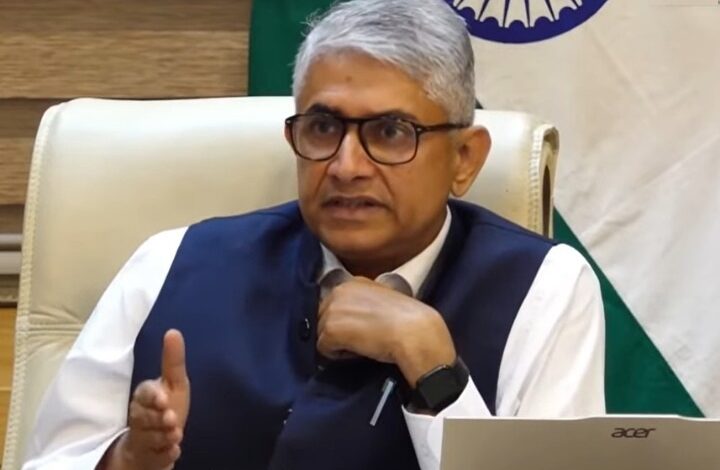
Additional Secretary and Director General Trade Remedies Amitabh Kumar said trade remedy measures are designed to restore fair competition and should not be viewed as import restrictions.

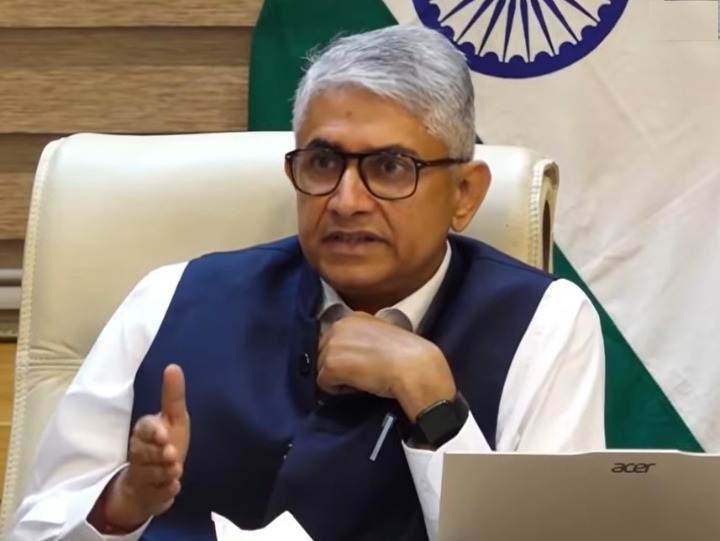
New Delhi: The Directorate General of Trade Remedies (DGTR) has reaffirmed its role as India’s frontline trade defence authority, highlighting its efforts to protect domestic industry from unfair trade practices while ensuring compliance with World Trade Organization (WTO) rules.
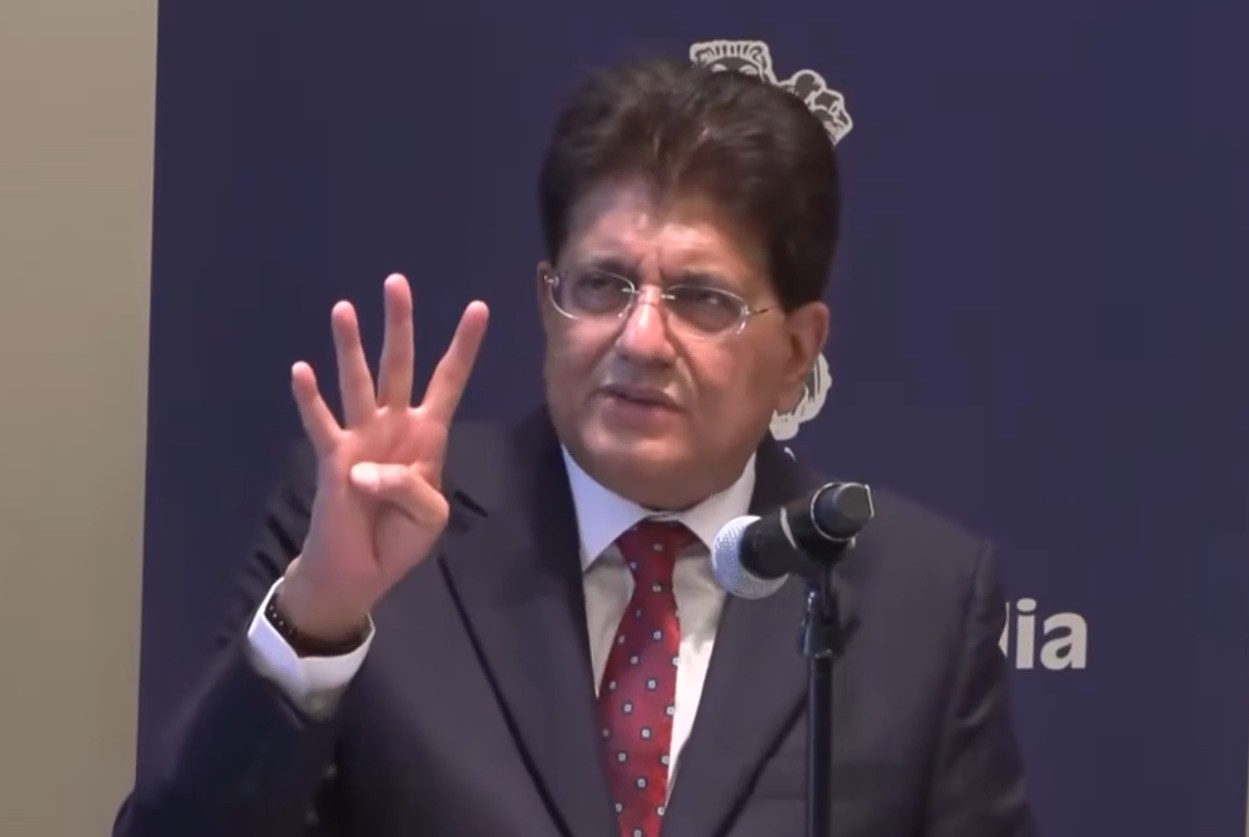
At a media briefing on the theme “Trade Remedy Measures: Creating a Level Playing Field for Indian Industry”, Additional Secretary and Director General Trade Remedies Amitabh Kumar said trade remedy measures are designed to restore fair competition and should not be viewed as import restrictions.
“Trade remedy measures are instruments of fair trade. Their purpose is to address dumped imports, subsidised imports and sudden import surges that cause injury to domestic industry while allowing legitimate imports to continue at fair prices,” Kumar said.
The Directorate General of Trade Remedies, operating under the Ministry of Commerce and Industry, conducts anti-dumping, anti-subsidy and safeguard investigations and recommends appropriate measures to the government in line with domestic laws and India’s WTO commitments.
Kumar highlighted the DGTR’s transparent and evidence-based investigation process, which includes examination of applications, analysis of stakeholder submissions, verification of information, public hearings and disclosure of findings before recommendations are made.
He said the DGTR follows a balanced approach by considering the interests of domestic manufacturers, exporters, importers, user industries and consumers. The authority also adheres to the Lesser Duty Rule, recommending duties only to the extent necessary to remove injury to domestic industry.
A major focus of the briefing was the work of the Trade Defence Wing, established in 2016 to support Indian exporters facing anti-dumping, countervailing duty and safeguard investigations in overseas markets. The wing coordinates with government departments, Indian missions abroad, export promotion councils and legal experts to defend India’s trade interests globally.
The DGTR also showcased several reforms aimed at improving accessibility and efficiency. Among them is the System for Ensuring Fair Trade through Unified Digital Platform (SETU), launched in October 2025, which enables end-to-end digital processing of trade remedy investigations through online filing, digital communication and secure document management.
Officials said the platform provides a single-window interface for domestic producers, exporters, importers and foreign governments participating in trade remedy proceedings.
Other initiatives include the Economic Interest Questionnaire, the Helpdesk and Facilitation Centre, the Trade Remedies Advisory Cell (TRAC), industry outreach programmes and simplified application procedures for fragmented industries and micro, small and medium enterprises (MSMEs).
According to Kumar, the simplified application format introduced in 2021 has significantly reduced procedural hurdles for MSMEs and fragmented domestic industries seeking access to trade remedy mechanisms.
The DGTR said trade remedy measures play an important role in strengthening domestic manufacturing, protecting Indian industry from unfair trade practices and supporting a rules-based international trading system.
Reaffirming the organisation’s future priorities, Kumar said the DGTR would continue to focus on transparent investigations, stakeholder engagement, digital transformation and effective trade defence support for Indian businesses and exporters operating in an increasingly competitive global marketplace.