SAIL, EdCIL Partner to Set Up Smart Digital Classrooms in Schools
CSR initiative aims to strengthen digital learning infrastructure around SAIL’s operational areas
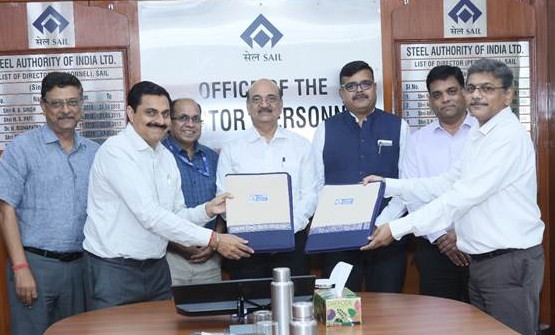
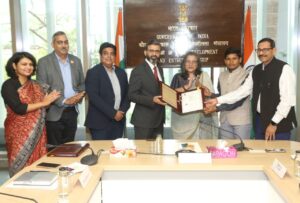
The MoU was signed in the presence of K. K. Singh, Director (Personnel), SAIL, along with senior officials from both SAIL and EdCIL.

New Delhi: Steel Authority of India Limited (SAIL) has signed a memorandum of understanding (MoU) with EdCIL (India) Limited to establish Smart Digital Classrooms in schools located around its operational areas as part of its Corporate Social Responsibility (CSR) initiatives.
SAIL, a Maharatna public sector enterprise under the Ministry of Steel, said the partnership with EdCIL, a public sector undertaking under the Ministry of Education, aims to promote inclusive education and improve learning outcomes through technology-enabled teaching infrastructure.
Under the agreement signed on May 26, smart digital classrooms will be installed in schools situated in communities surrounding SAIL’s plants and operational locations.
The initiative is designed to support the objectives of the National Education Policy (NEP) 2020, which emphasises technology integration, digital learning and equitable access to quality education across the country.
According to the organisations, the project also aligns with the United Nations Sustainable Development Goal 4 (SDG-4), which focuses on ensuring inclusive, equitable and quality education while promoting lifelong learning opportunities for all.
The MoU was signed in the presence of KK Singh, Director (Personnel), SAIL, along with senior officials from both SAIL and EdCIL.
Officials said the initiative is expected to strengthen digital learning ecosystems in schools, improve classroom engagement and provide students with access to modern educational tools and resources.
As India accelerates efforts to bridge the digital divide in education, collaborations between public sector enterprises and educational institutions are increasingly being viewed as important mechanisms for expanding access to technology-enabled learning, particularly in underserved regions.