India launches indigenous Chariot-1 AI models with support for 10 Indian languages
Developed under the IndiaAI Mission, Chariot-1 combines an 11-billion-parameter language model with multilingual speech technology, introducing innovations designed to improve computational efficiency and Indian-language processing.
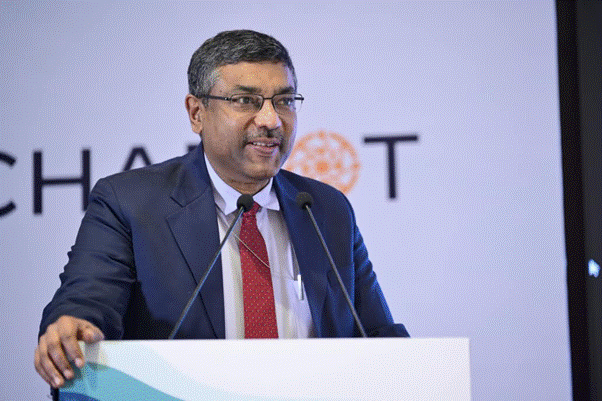
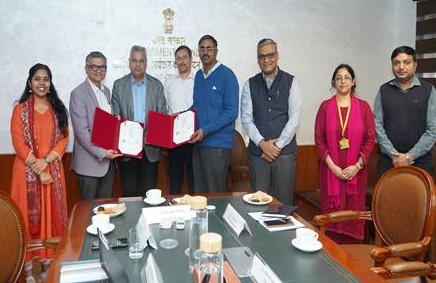
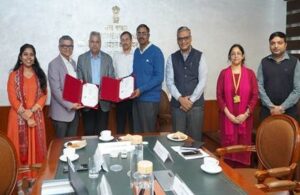
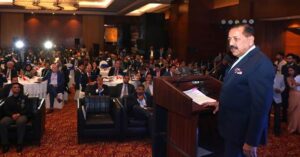
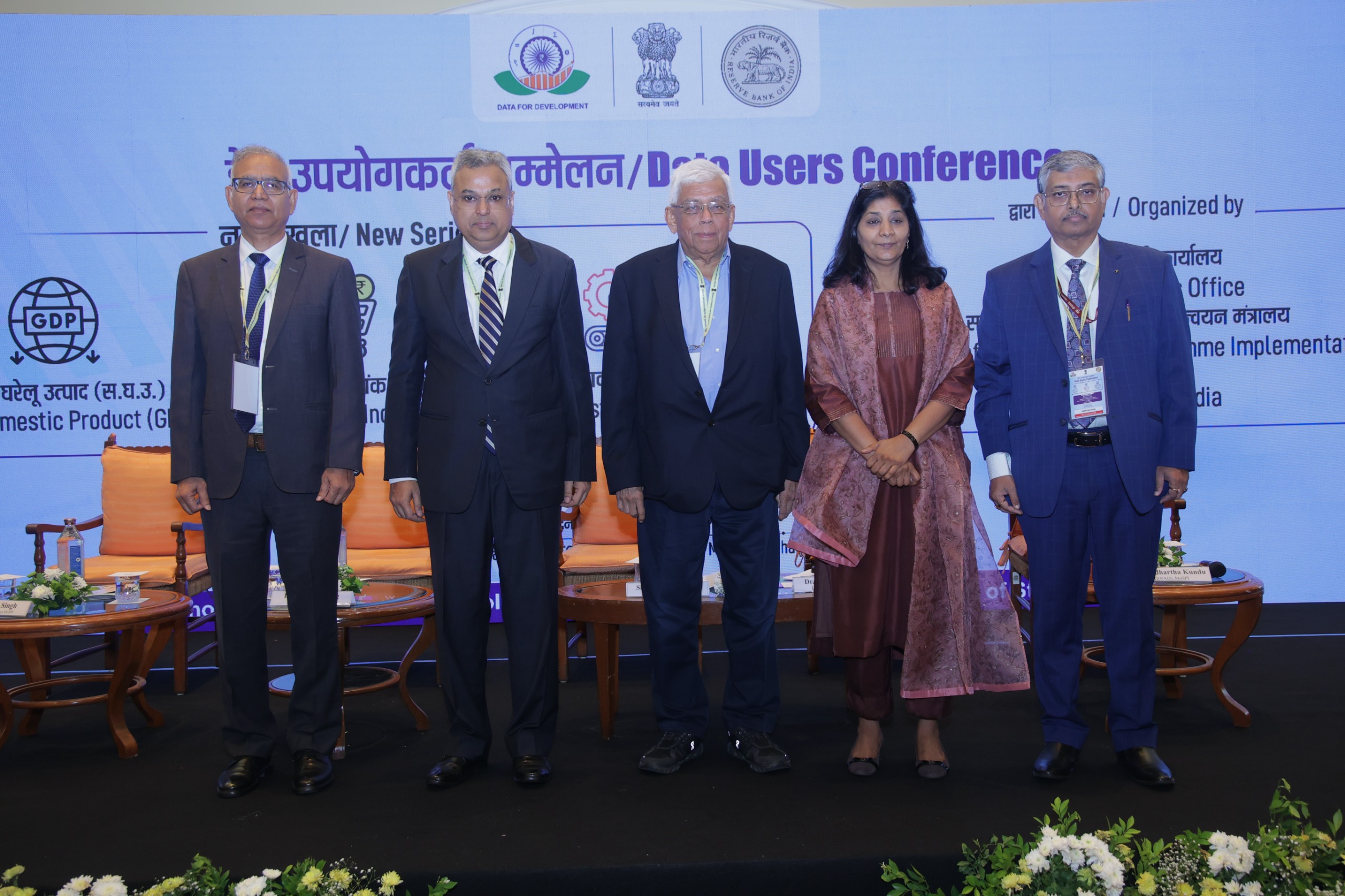
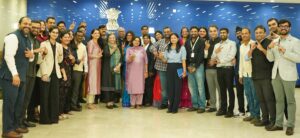
Developed by Chariot Artificial Intelligence Pvt Ltd under the IndiaAI Mission, the models were inaugurated by S. Krishnan, Secretary, Ministry of Electronics and Information Technology (MeitY), at Bharat Mandapam, New Delhi, on November 26.

NEW DELHI: India has taken another step towards developing indigenous Artificial Intelligence capabilities with the launch of Chariot-1 Foundation Models, a homegrown AI model suite designed to strengthen multilingual language processing and speech generation.
Developed by Chariot Artificial Intelligence Pvt Ltd under the IndiaAI Mission, the models were inaugurated by S. Krishnan, Secretary, Ministry of Electronics and Information Technology (MeitY), at Bharat Mandapam, New Delhi, on November 26.
Chariot Artificial Intelligence is among the first four teams selected under the IndiaAI Mission to develop sovereign foundation models.
The Chariot-1 suite comprises a Large Language Model (LLM) and a Text-to-Speech (TTS) model, both pre-trained from scratch in India. The development incorporates research innovations intended to improve computational efficiency, multilingual capabilities and deployment flexibility.
An 11-billion-parameter language model
The Chariot-1 LLM is an 11-billion-parameter Mixture-of-Experts (MoE) model, with four billion active parameters per token.
It is available in three model sizes:
- 10.7 billion parameters
- 1.7 billion parameters
- 745 million parameters
The different configurations are designed to accommodate varying computational requirements, potentially enabling deployment across data centres, laptops, smartphones and edge devices.
The model architecture is intended to make advanced AI capabilities accessible across different computing environments without requiring every application to operate on the largest configuration.
Three research innovations behind Chariot-1
A significant aspect of Chariot-1 is the introduction of three research innovations addressing the computational challenges involved in developing AI models for India’s multilingual environment.
1. IndicShift: A shared representation for Indian scripts
IndicShift is an open-source innovation that introduces a shared alphabet for Indian scripts.
The approach covers 1,012 characters across 12 Indian scripts using 350 shared letters. Instead of treating each script independently, it enables AI models to leverage structural similarities between Indian languages.
According to the research results presented in the PIB announcement, IndicShift uses up to 2.5 times fewer tokens for Indian text compared with OpenAI’s GPT tokeniser.
The research also reports a 5% to 8% improvement in Indian-language model performance using the same computational resources, while maintaining performance in English and code.
This approach could have implications for developing more computationally efficient AI systems capable of processing India’s diverse linguistic landscape.
2. Nested Training: Three model sizes through one training process
The second innovation, called Nested Training, enables three complete model sizes to be trained simultaneously through a single training run and a shared set of weights.
Traditionally, developing different model sizes can require separate training processes. Nested Training seeks to reduce this requirement by making multiple configurations available through one training process.
According to the reported results, this approach delivers a 62% improvement in training speed compared with training the three model sizes separately.
The technology is designed to support deployment across different computing environments, from large data centres to resource-constrained devices.
3. Mixture of Vocabularies: Optimising computational efficiency
The third innovation, Mixture of Vocabularies, addresses the computational requirements involved in selecting words and tokens during model processing.
The technique divides the vocabulary into 11 groups and scores only the relevant group at a time rather than evaluating the entire vocabulary for every word-selection operation.
According to the reported research results, this reduces the number of vocabulary entries scored per word by 5.7 times and improves training speed by 38% on the same GPUs, with negligible change in model loss.
Together, these three innovations are intended to make foundation model development more efficient, particularly for applications involving Indian languages.
Text-to-speech in English and 10 Indian languages
The Chariot-1 suite also includes a Text-to-Speech model capable of generating speech in English and 10 Indian languages:
- Hindi
- Bengali
- Marathi
- Tamil
- Telugu
- Kannada
- Malayalam
- Gujarati
- Punjabi
- Odia
An important feature is its ability to interpret context when converting written text into speech.
For instance, the model is designed to determine how numbers, dates, currencies, measurement units, URLs and abbreviations should be verbalised. This addresses a practical challenge in speech-generation systems, where simply converting written characters into spoken words may produce unnatural or incorrect results.
According to the performance figures released by the Ministry, the model recorded more than 97% verbalisation accuracy on the Async TTS Pronunciation Benchmark.
The benchmark comprised 1,029 real-world sentences and 2,251 instances of non-standard text across 42 categories.
The model also recorded a Hindi Character Error Rate (CER) of 7.60% and an average CER of 6.47% across nine other Indian languages. The Ministry stated that these were the lowest error rates among the systems evaluated in the reported tests.
IndiaAI Mission and the push for sovereign AI
The launch of Chariot-1 highlights the role of the IndiaAI Mission in supporting domestic research and development of foundation models.
By selecting Indian technology teams to develop models from scratch, the initiative seeks to strengthen domestic capabilities in AI research, infrastructure and innovation while reducing dependence on externally developed technologies.
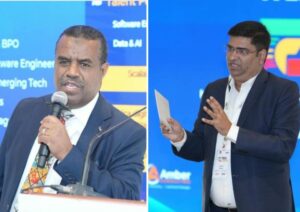
The launch event also featured a discussion between Vishal Dhupar, Managing Director, South Asia, NVIDIA, and Suvrat Bhooshan, Co-founder of Chariot, on emerging developments in AI research and the evolving technology landscape.
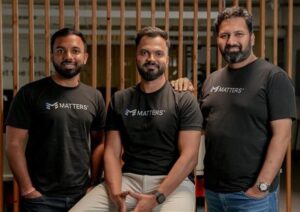
MeitY Secretary S. Krishnan congratulated the Chariot team, highlighting its approach to Indian-language representation and computational efficiency. He also noted the contribution of the founders, who returned from Stanford to develop advanced AI technology in India.
From indigenous research to real-world applications
The significance of Chariot-1 will ultimately depend on how effectively its models perform in real-world applications.
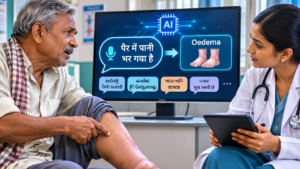
More efficient Indian-language processing and speech generation could create opportunities in digital public services, education, enterprise applications, accessibility solutions and voice-based interfaces.
For a country with substantial linguistic diversity, the ability to interact with digital systems in regional languages is an important component of inclusive technology adoption.
Chariot-1 represents an effort to build that capability through indigenous research and engineering. Its wider impact will depend on independent performance evaluation, practical deployment, developer adoption and the ability to scale these technologies across India’s digital ecosystem.