India-Ethiopia technology partnership takes shape with first MoU at Tech Ethiopia 2026
Indian firm Technossus and Ethiopia's AFRICOM Technologies have signed an MoU to explore AI, GovTech and digital transformation opportunities, as four more partnerships take shape.

The forum facilitated more than 70 one-to-one discussions between Indian and Ethiopian companies, bringing together businesses exploring collaboration in technology services, outsourcing, artificial intelligence and cross-border business development.

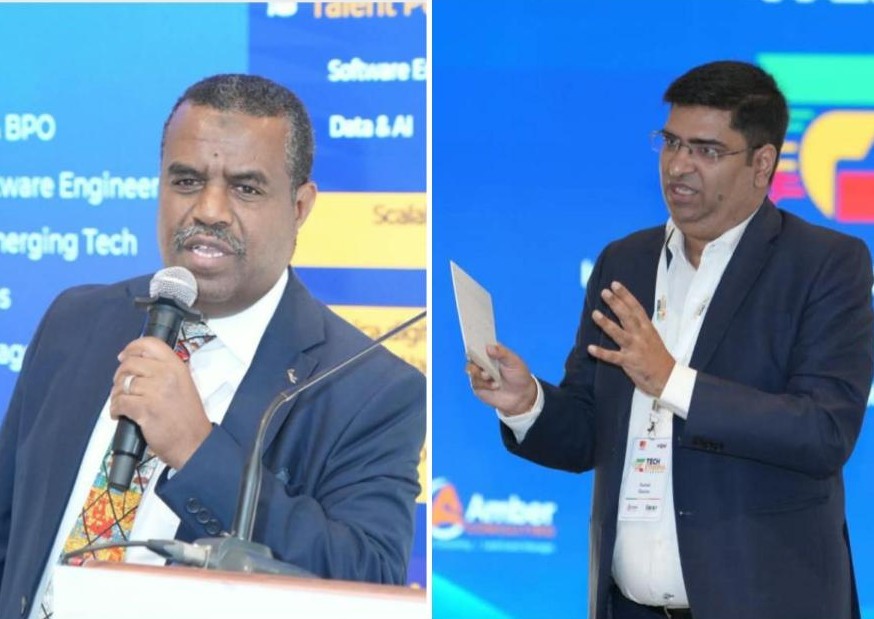
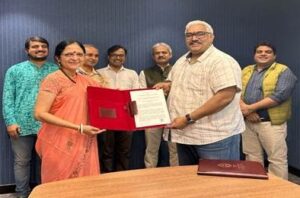
BENGALURU: India and Ethiopia are exploring new technology and outsourcing partnerships following the inaugural Tech Ethiopia 2026 forum in Bengaluru, where Indian technology company Technossus and Ethiopian firm AFRICOM Technologies signed a memorandum of understanding (MoU) to jointly pursue business opportunities across Ethiopia and the wider East African region.
The forum facilitated more than 70 one-to-one discussions between Indian and Ethiopian companies, bringing together businesses exploring collaboration in technology services, outsourcing, artificial intelligence and cross-border business development.
The agreement between Technossus and AFRICOM Technologies establishes a framework for cooperation in digital transformation, AI modernisation, government technology (GovTech) and initiatives funded by governments and development partners.
Around four additional partnership discussions are reportedly at advanced stages, with potential agreements being explored across technology services, outsourcing, joint go-to-market strategies and international business development.
AI, GovTech and regional delivery capabilities
Under the agreement, the two companies plan to pursue opportunities in the public sector, banking industry and development-partner ecosystem in Ethiopia and East Africa.
The proposed collaboration also includes exploring a joint AI Centre of Excellence to support technical enablement, training, certification, proof-of-concept development and the identification of practical AI use cases.
Another area of focus is the validation and expansion of an Ethiopia-based delivery and talent hub to support engineering requirements in local and regional markets.
The partnership is intended to combine India’s technology engineering and delivery capabilities with Ethiopia’s local market understanding and emerging talent pool.
Baheru Zeyenu, Co-founder and CEO of AFRICOM Technologies, said the agreement would provide a formal framework for Indian and Ethiopian teams to work together, combining India’s technology capabilities with the Ethiopian company’s understanding of African markets.
A spokesperson for Technossus, whose name and designation were not provided in the announcement, said the partnership would seek to combine Ethiopia’s growing technology talent pool with India’s engineering expertise and international market access.
Broader business participation
The forum also brought together Ethiopian enterprises including AFRICOM Technologies, Tewos, BeSingularity and IE Networks, and Indian companies including TrustNow, Technossus, Manifold Ventures, Tevel Technologies and SapphireIMS.
Discussions covered offshoring, technology development, joint ventures and international market entry. The participating companies explored opportunities to build partnerships that could connect India’s technology ecosystem with Ethiopia’s developing digital services and outsourcing sector.
Organised by Amber Digital Solutions under the EDGE Programme, supported by the Mastercard Foundation, Tech Ethiopia 2026 aims to strengthen Ethiopia’s technology and outsourcing ecosystem through international business partnerships, investment and sustainable employment opportunities.
A potential new corridor for technology services
The emerging collaboration reflects an effort to expand India’s technology partnerships beyond established markets and explore opportunities in Africa’s growing digital economy.
For Ethiopian businesses, partnerships with Indian technology companies could provide access to engineering expertise, AI capabilities and established technology delivery models. For Indian firms, Ethiopia could offer opportunities to develop local partnerships, access new markets and participate in technology-led projects across East Africa.
However, the commercial significance of the initiative will depend on how quickly the discussions translate into funded projects, operational delivery arrangements, employment generation and measurable business outcomes. The four additional partnerships remain under discussion and should not be treated as concluded agreements.
Tech Ethiopia 2026 represents an early attempt to build a structured India-Ethiopia technology and outsourcing corridor, with the first MoU providing an initial framework for further cooperation.