AI hackathon winner develops platelet-routing system to reduce wastage across hospitals
An AI hackathon-winning team has developed Plexus, a platelet-routing system that cut simulated wastage to 0.24% and reduced delivery times across a virtual hospital network.
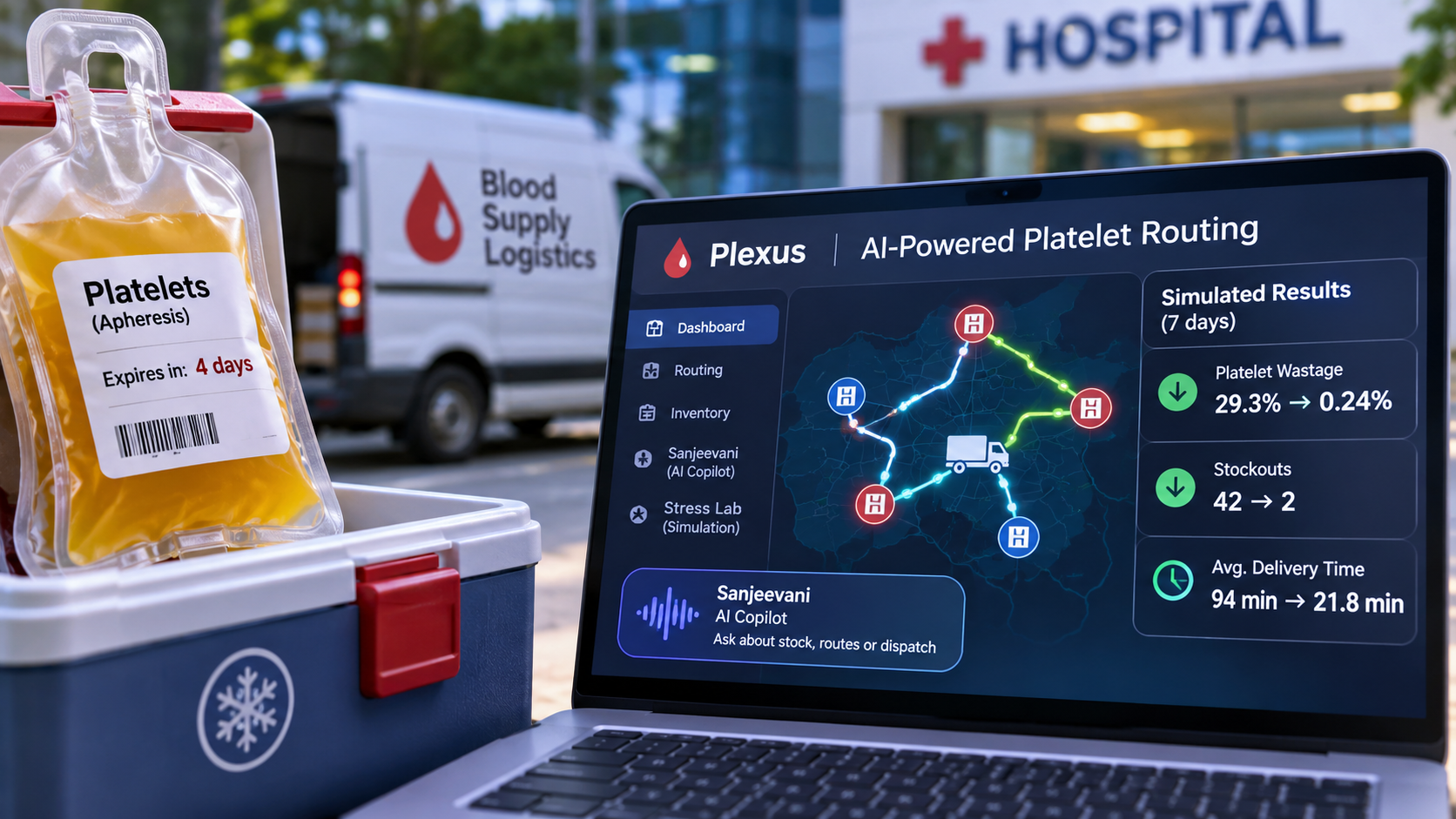
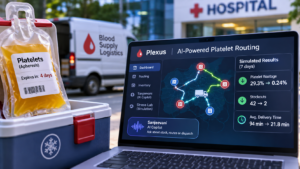
An AI-powered platelet-routing platform developed by the winning team at INFRA//SHIFT aims to reduce platelet wastage and improve hospital blood-supply logistics. The reported performance improvements are based on a simulated hospital network.

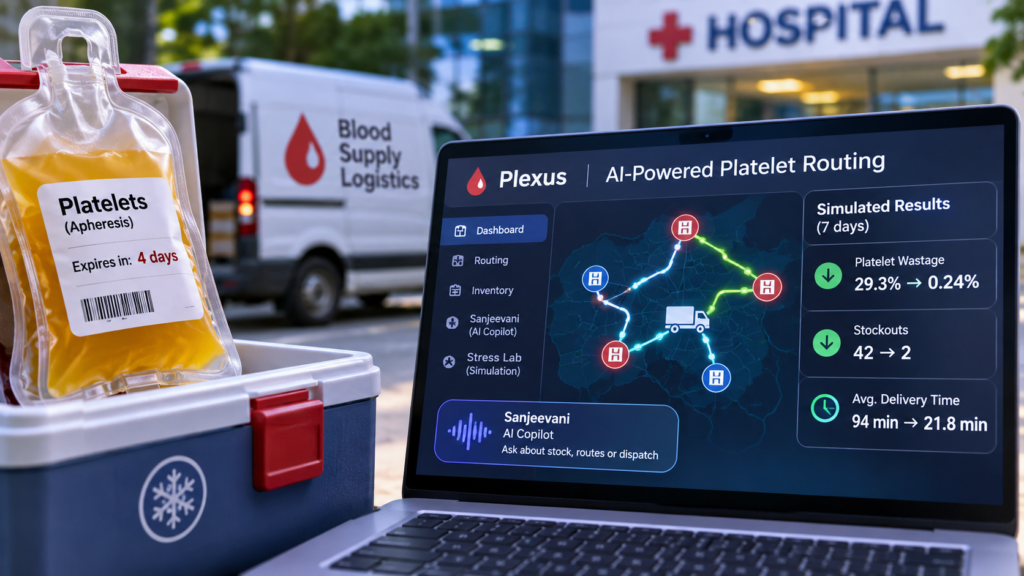
NEW DELHI: An AI-powered system designed to optimise platelet distribution across hospitals and reduce wastage has won the first edition of INFRA//SHIFT, an AI hackathon presented by ML.ai, Infrasity and Geek Room.
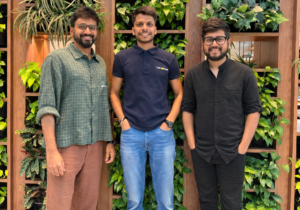
The winning team, We Bare Bears, developed Plexus, a technology platform designed to determine how platelet units should be routed between hospitals before they expire. The system was built during the eight-hour hackathon, which challenged participants to develop and demonstrate operational products using ML.ai, an automated coding agent.
The event attracted 774 registrants from 229 institutions across 22 states, with 35 selected teams competing in the final challenge. ML.ai provided building credits and mentorship to participating teams.
Plexus addresses a critical challenge in healthcare logistics: the short shelf life of platelets, which is typically around five days. The team’s analysis of 35,740 blood components found that platelets recorded the highest disposal rate, at approximately 8.27%, with expiry accounting for 64.1% of platelet disposals.
At the core of Plexus is an optimisation engine built using Google OR-Tools. It prioritises the distribution of platelet units closest to expiry and prevents routes where the units could expire during transit.
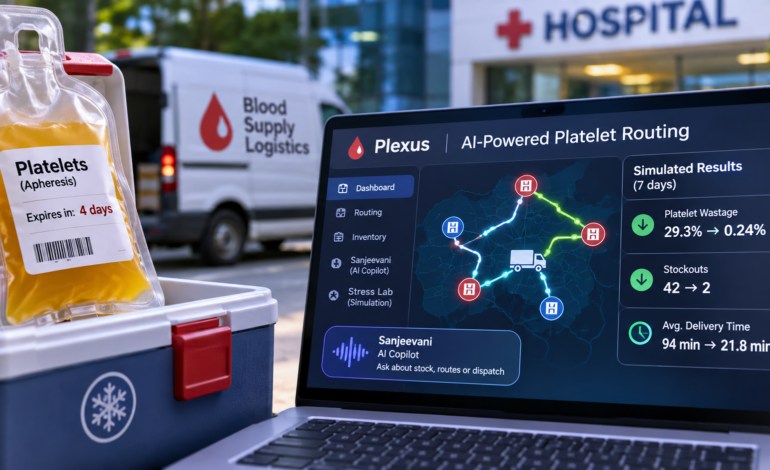
The platform also incorporates Sanjeevani, a voice- and text-enabled AI copilot that provides dispatchers with information based on live stock data. A dispatch dashboard tracks vehicles, delivery routes and cargo temperature, while a simulation feature called Stress Lab allows operators to model scenarios such as dengue outbreaks, mass-casualty events and freezer failures to assess how the distribution network responds.
In the team’s seven-day simulation of a hospital network, platelet wastage declined from 29.3% to 0.24%. Stockouts at hospitals experiencing demand surges fell from 42 to two, while average delivery time decreased from 94 minutes to 21.8 minutes.
The organisers clarified that these results were generated through a simulation on a simulated hospital network and do not represent outcomes from live hospital operations.
The hackathon evaluated projects on their potential impact, technological depth, final demonstrations and innovation. Impact and technological depth each accounted for 25% of the total score, while final demonstrations and innovation carried weights of 15% and 10%, respectively.
The event also attracted submissions addressing business and small and medium enterprise requirements, including inventory management, invoicing, sales analytics and operational efficiency.
Commenting on the event, Taran Srivastava, Co-Founder of ML.ai, said registrations from 22 states demonstrated developers’ interest in the initiative. He highlighted the winning team’s ability to address a real operational challenge by developing an end-to-end system within the hackathon’s timeframe.
The first edition of INFRA//SHIFT underscores the growing interest in AI-assisted software development and the potential of autonomous coding agents to help developers build solutions for practical challenges across sectors.
The Plexus project source code has been made publicly available on GitHub, enabling developers to examine the implementation and explore its potential applications.