AKAH India highlights community-led climate adaptation and urban resilience at COP31
Aga Khan Agency for Habitat India showcases locally driven climate adaptation solutions, urban heat mitigation and traditional knowledge at the global climate summit in Antalya, Türkiye.
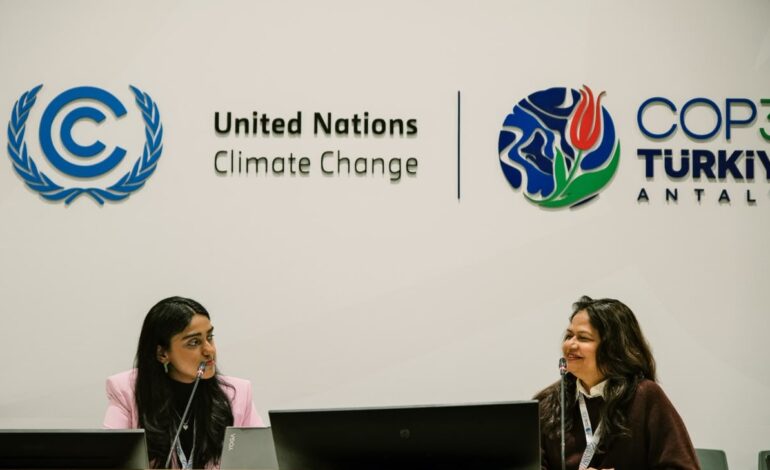
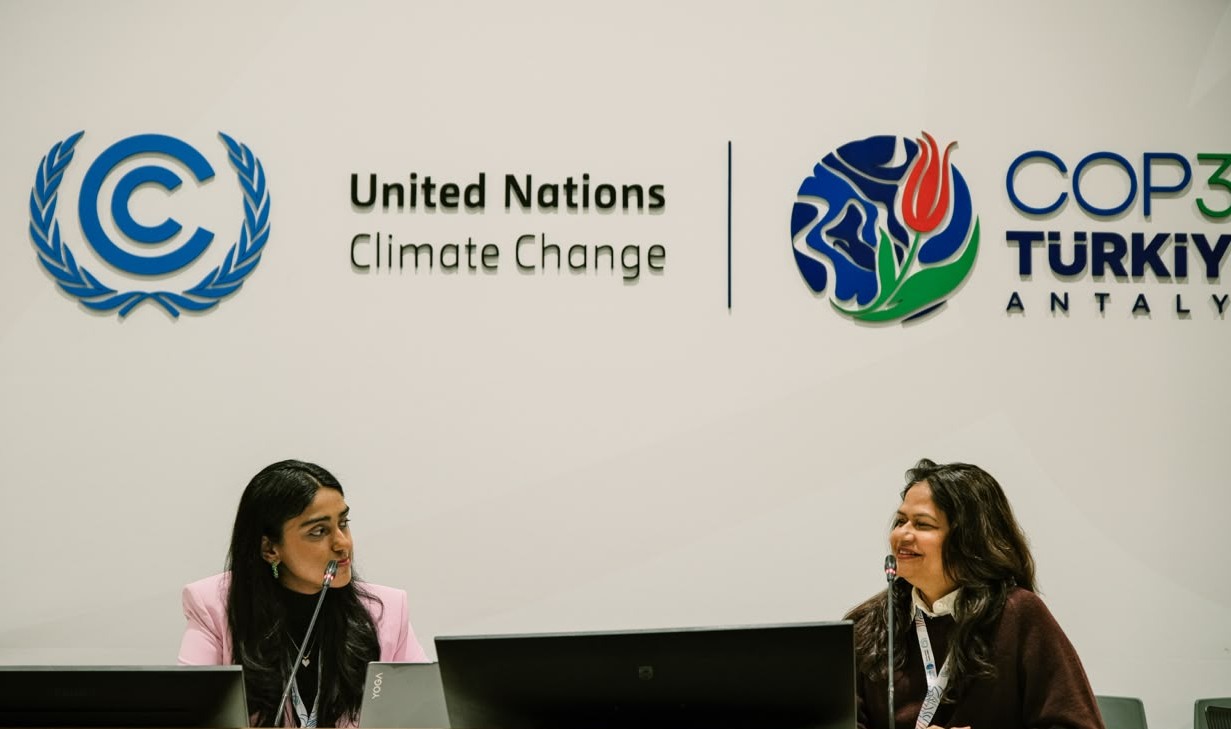
Representing AKAH India, CEO Prerana Langa participated in the summit's discussions, including the COP31 Leaders' Summit High-Level Dialogue on urban resilience, adaptation and climate action.

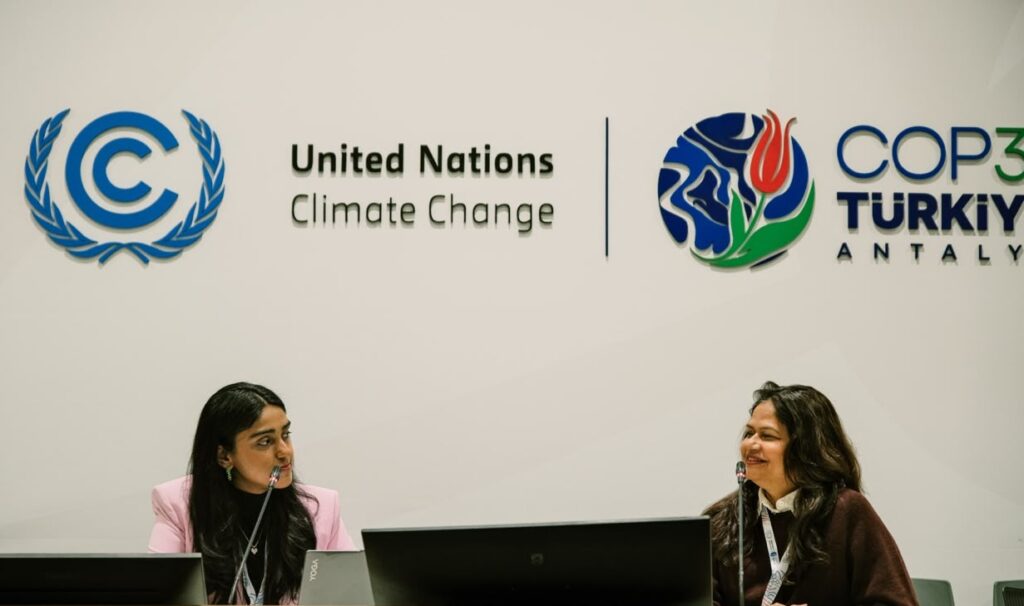
MUMBAI: The Aga Khan Agency for Habitat (AKAH) India has highlighted the importance of community-led climate adaptation, urban resilience and traditional knowledge at the 31st Conference of the Parties (COP31), being held in Antalya, Türkiye.
Representing AKAH India, CEO Prerana Langa participated in the summit’s discussions, including the COP31 Leaders’ Summit High-Level Dialogue on urban resilience, adaptation and climate action. The engagement brought the organisation’s experience in strengthening community resilience and developing climate-responsive habitats to the global climate platform.
As climate adaptation and resilience take centre stage at COP31, countries are deliberating on translating global climate commitments into practical action. India has emphasised adaptation, climate finance and solutions tailored to the needs of the Global South as key priorities at the summit.
Against this backdrop, AKAH India highlighted the importance of locally grounded solutions to strengthen climate resilience, drawing on its experience of working with vulnerable communities through research, risk assessments, community engagement and technical interventions.
During the summit, Langa contributed to discussions on integrating culture, heritage and traditional knowledge into climate action, including engagements surrounding the launch of the first Culture Global Stocktake.
She also participated in the high-level dialogue on urban resilience, adaptation and climate action, which explored how cities can advance climate initiatives, strengthen preparedness and address growing climate vulnerabilities.
AKAH India highlighted its experience in developing locally informed adaptation solutions, including work on urban heat stress across both hot and dry and hot and humid climatic zones.
Commenting on the organisation’s participation, Prerana Langa, CEO, Aga Khan Agency for Habitat India, said community-led approaches must be placed at the centre of climate adaptation.
She emphasised that climate policies should be shaped from the ground up, informed by research and evidence as well as the knowledge and experiences of communities most affected by climate risks.
Langa said AKAH India brings these perspectives together to develop locally informed solutions, particularly to address challenges such as extreme heat, and contribute to stronger adaptation policies and action in India and globally.
In India, AKAH works with vulnerable communities across Mira Bhayandar, Vasai-Virar and Chandrapur to address climate risks and develop safer, more resilient habitats.
Its interventions combine research, community engagement and practical measures to address local climate challenges. These include climate-responsive housing, energy efficiency initiatives, water body restoration, heat and flood mitigation measures, and interventions to strengthen drought resilience.
Through these initiatives, the organisation aims to contribute to the development of more liveable and climate-resilient cities.
AKAH is part of the Aga Khan Development Network (AKDN), a group of development agencies working to improve the quality of life and create opportunities for vulnerable communities across more than 30 countries in Asia, Africa, Europe and North America.