GST on Drones Slashed to 5% to Boost Indigenous Ecosystem and Emerging Technologies
New Delhi, September 10: In a landmark move, the GST Council has rationalised the tax rate on drones, reducing it to a uniform 5% across all categories. Earlier, drones with

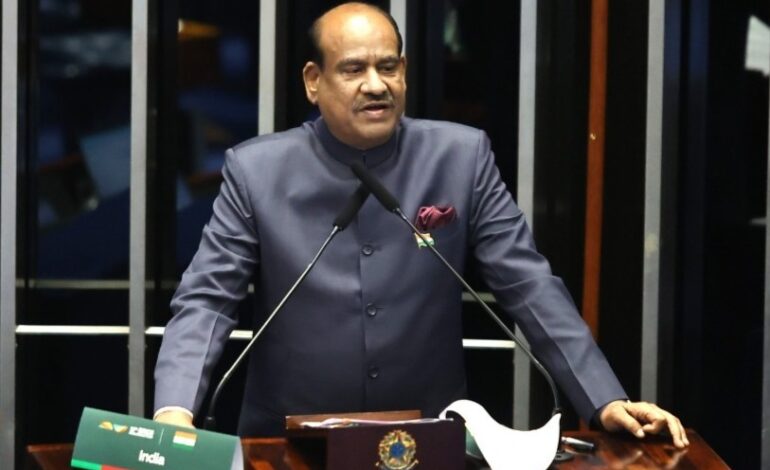
Civil Aviation Minister K. Ram Mohan Naidu

New Delhi, September 10: In a landmark move, the GST Council has rationalised the tax rate on drones, reducing it to a uniform 5% across all categories. Earlier, drones with integrated cameras attracted 18% GST, while those classified for personal use were taxed at 28%. The reform removes classification disputes and extends the benefit to all drones, whether used for personal or commercial purposes.
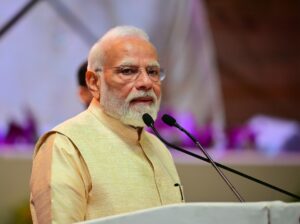
Civil Aviation Minister Ram Mohan Naidu hailed the decision, describing it as “the biggest reform in India’s indirect taxation ever.” He said the simplified two-slab GST structure of 5% and 18% will not only ease compliance but also strengthen consumer affordability and boost domestic manufacturers. “This significant measure will enable India to emerge as a leader in transformative technologies like drones,” he noted.
Exemptions for Training Equipment
In a parallel reform, GST exemptions have been granted to flight simulators and motion simulators, a move expected to reduce costs for pilot training academies and airlines. The exemption is aimed at building a stronger aviation training ecosystem in the country.
Sectoral Impact
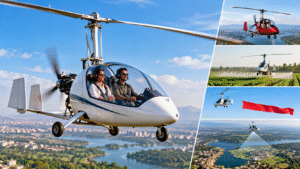
Affordable drones are expected to accelerate adoption in agriculture (crop monitoring and pesticide spraying), petroleum and mining (pipeline and asset inspection), infrastructure (surveying and mapping), logistics (last-mile delivery), and defence and security (surveillance and rapid response).
For manufacturers, the reforms provide greater policy certainty and lower costs, boosting India’s positioning under Make in India and Atmanirbhar Bharat. The government anticipates job creation in drone manufacturing, assembling, software development, data analytics, and field operations.
Strategic Significance
By recognising drones as both an economic opportunity and a strategic necessity, the GST Council has given a strong signal of support for the sector. The reform aligns with India’s long-term vision of Viksit Bharat 2047 and strengthens the country’s credentials as a hub for emerging technologies.