Kashi Tamil Sangamam 5.0 takes Thirukkural to 1000 higher education institutions
Kashi Tamil Sangamam 5.0 will engage students across 1,000 institutions through multilingual learning resources, research activities and a digital outreach programme centred on the Thirukkural.
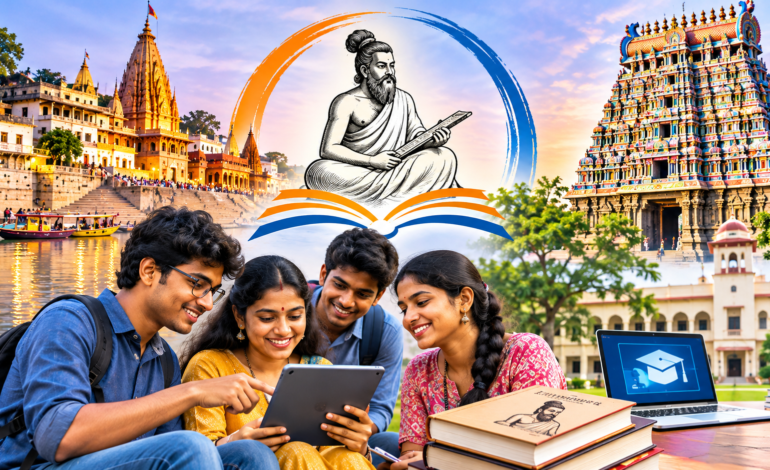
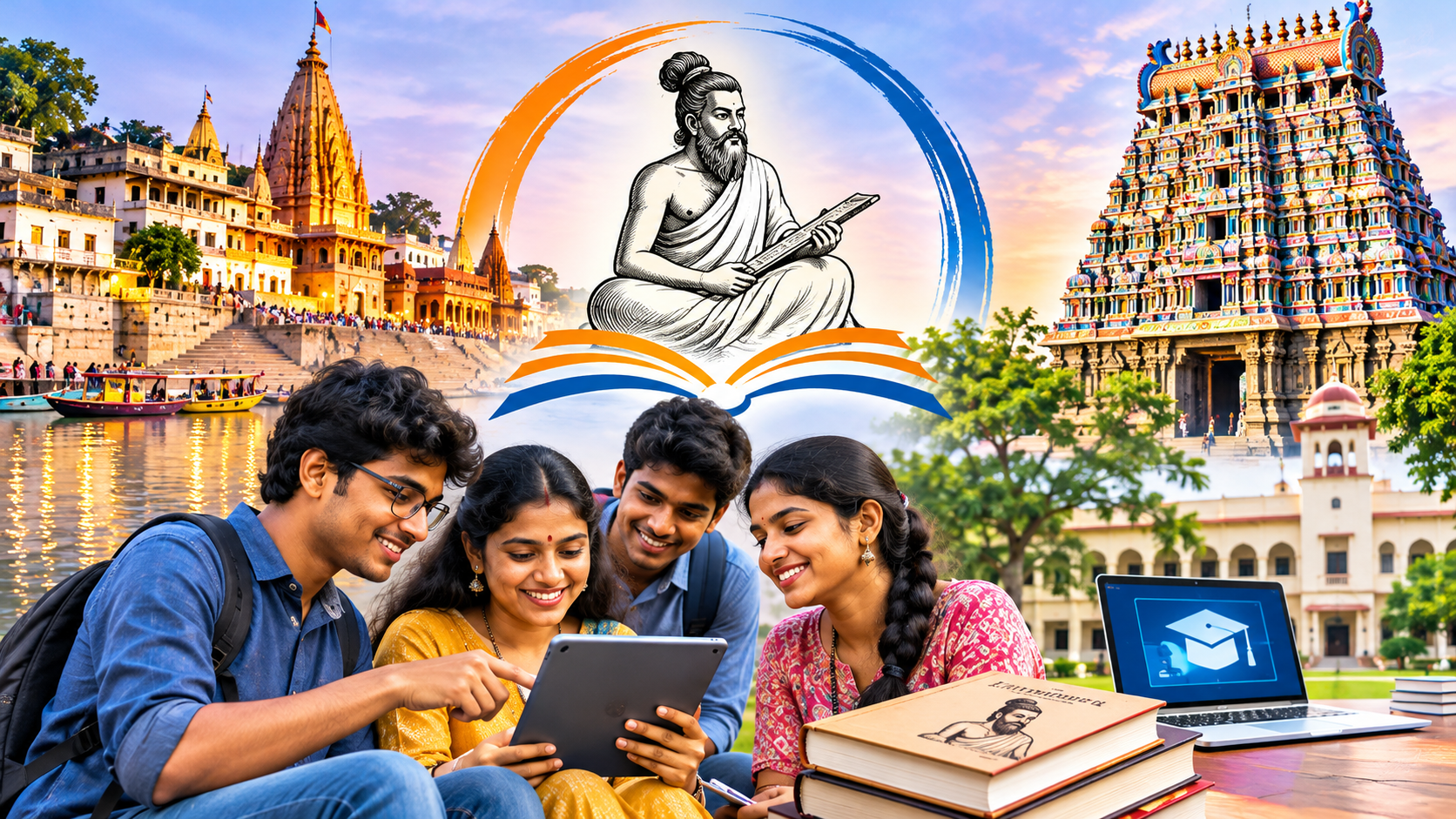
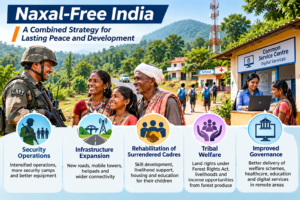
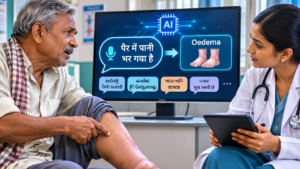
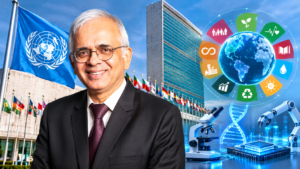
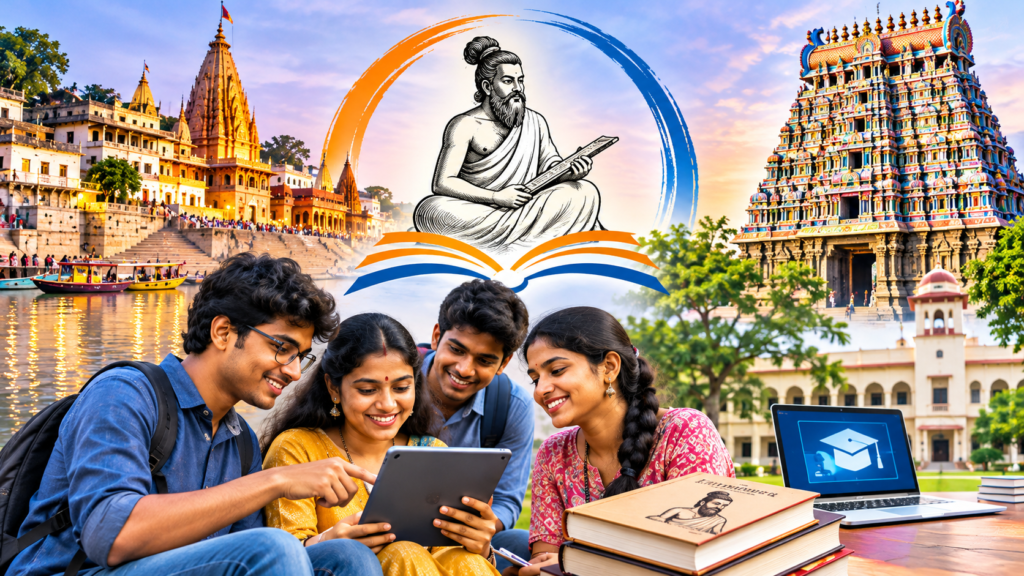
Students explore the teachings of the Thirukkural through digital learning as Kashi Tamil Sangamam 5.0 brings together the cultural and literary heritage of Tamil Nadu and Kashi. (Illustrative image generated for Digital India Times; not an official event photograph.)

NEW DELHI: The fifth edition of Kashi Tamil Sangamam, scheduled from November 28 to December 12, will take the teachings of the classical Tamil text Thirukkural to students across the country through a nationwide engagement programme covering 1,000 higher education institutions.
Organised around the theme ‘Thirukkural Payilvom – Thirukkural Abhyas Karen’ (Let’s Learn Thirukkural), the initiative seeks to introduce the ethical and philosophical teachings of the ancient text to young learners through academic engagement, multilingual resources and cultural exchanges.
Around 1,400 delegates from Tamil Nadu will participate in the fifth edition, visiting Varanasi, Prayagraj and Ayodhya. The programme is intended to strengthen the historical, cultural and linguistic connections between Tamil Nadu and Kashi, while extending the engagement to educational institutions across India.
Multilingual digital resources at the centre of outreach
A key feature of this edition is the use of digital platforms to make the Thirukkural accessible to students and readers from different linguistic backgrounds.
The Thirukkural Multilingual App developed by the Central Institute of Classical Tamil (CICT) contains all 1,330 couplets with translations into the 22 scheduled Indian languages. The institute has also translated the text into 25 Indian languages, along with several foreign languages and Braille.
The programme includes short animated videos and films based on selected couplets, as well as Thirukkural audiobooks.
In a further public outreach initiative, translated couplets are planned for display on passenger information systems and signboards at railway stations, airports and highway toll plazas, in coordination with Indian Railways, the Airports Authority of India and the National Highways Authority of India.
These initiatives seek to take the text beyond conventional literary and academic settings and bring its teachings into everyday public spaces.
1,000 institutions to participate in student programme
The nationwide Students’ Engagement Programme will involve 1,000 higher education institutions. Each participating institution will assess interested students and nominate one candidate on merit.
Selected students will attend an online academic orientation offered in the 22 scheduled languages and English. This will be followed by a one-month research and academic engagement supported by multilingual study material from CICT.
Eligible selected students will receive a stipend of ₹10,000, subject to programme guidelines and completion of the prescribed requirements.
Each participant will prepare a four-to-ten-page article or research note under the guidance of a faculty member and deliver a one-hour presentation on the Thirukkural at their institution.
The initiative is designed to encourage students from different academic disciplines and linguistic backgrounds to study and interpret the text rather than limit participation to those specialising in Tamil literature.
Tamil teachers to introduce the text in Uttar Pradesh
As part of the educational exchange, 50 teachers from Tamil Nadu will visit Uttar Pradesh to teach the Thirukkural in schools and colleges. Experts from Tamil Nadu will also conduct orientation modules, interactive sessions and quizzes in educational institutions in Varanasi.
The National Book Trust, in association with the Rashtriya e-Pustakalaya, will organise interactive school sessions focusing on reading habits, storytelling and creative activities.
Banaras Hindu University will co-host a national conference on the Thirukkural, with the Bharatiya Bhasha Samiti as a partner. The Ministry of Culture will support cultural performances, screenings of short films on the text and other cultural showcases.
1,400 delegates to participate in cultural exchange
The delegates from Tamil Nadu will be organised into seven groups of approximately 200 participants each, representing students, teachers, writers and media professionals, agriculture and allied sectors, professionals and artisans, women, and spiritual leaders.
Their eight-day journey will comprise four days of travel and four days of visits and structured programmes across Varanasi, Prayagraj and Ayodhya.
The itinerary includes visits to Kashi Vishwanath Temple, Sarnath, Banaras Hindu University, Ramnagar Fort and Bharat Mata Temple, along with academic interactions and cultural programmes.
A special Tamil heritage circuit will include Mahakavi Subramania Bharati’s ancestral house, Kedar Ghat and Kashi Madam in Little Tamil Nadu, along with an academic interaction at the Tamil Department of Banaras Hindu University.
Taking classical knowledge beyond regional boundaries
The Thirukkural, attributed to the Tamil poet and philosopher Thiruvalluvar, comprises 1,330 couplets organised into three sections: Aram (virtue), Porul (wealth) and Inbam (love). Its teachings address ethics, social conduct, governance, relationships and human values.
The fifth edition of Kashi Tamil Sangamam extends the programme’s scope from cultural exchanges between Tamil Nadu and Kashi to structured learning across educational institutions nationwide.
The use of multilingual digital resources, online orientation and campus-based research also creates an opportunity to connect classical literature with contemporary education.
The larger test will be whether the initiative encourages sustained engagement with the text beyond the duration of the event. Its reach across 1,000 institutions, supported by translations, digital learning resources and student research, could provide a broader platform for India’s classical literary traditions to engage with younger generations.