BHASHINI brings multilingual AI into clinical workflows at AIIMS, JIPMER and Army hospitals
BHASHINI demonstrated voice-based clinical documentation and multilingual doctor-patient communication at the Global Digital Health Summit, highlighting AI's potential to reduce language barriers in healthcare.
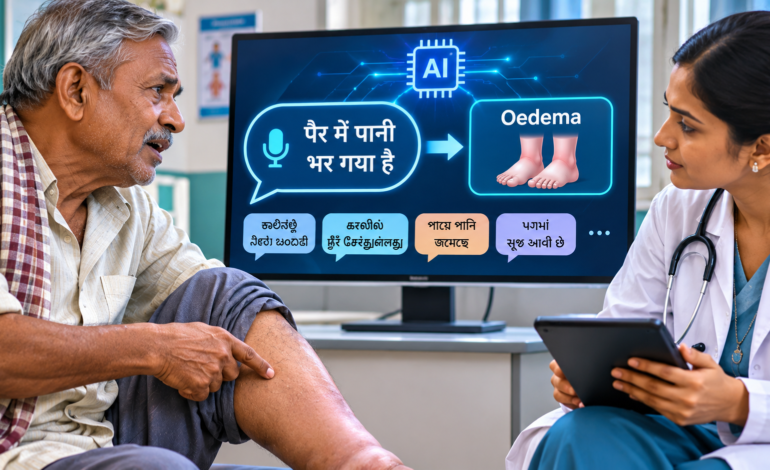
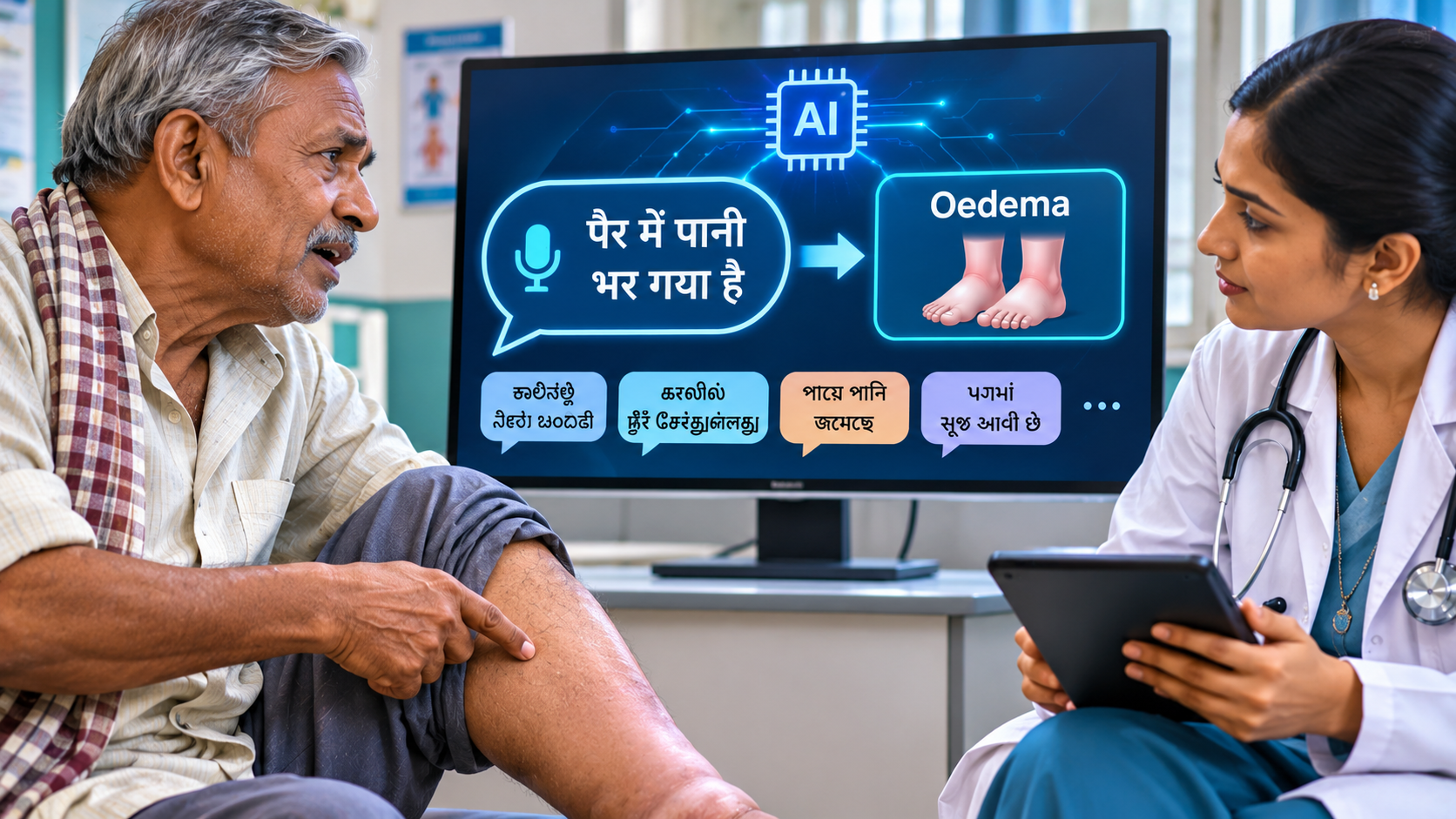
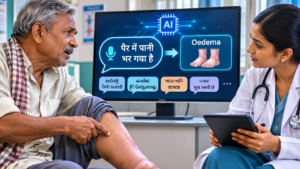
Multilingual AI can help translate patients' everyday descriptions of symptoms into standard medical terminology, potentially improving communication between doctors and patients across India's diverse languages.

NEW DELHI: India’s multilingual artificial intelligence ecosystem is beginning to find practical applications in healthcare, with the Digital India BHASHINI Division demonstrating voice-based clinical documentation and multilingual doctor-patient communication systems in collaboration with AIIMS, JIPMER and the Directorate General of Medical Services (Army).
The demonstrations were showcased at the Global Digital Health Summit 2026, held at Bharat Mandapam, New Delhi, on November 20 and 21. Under the theme “Implementing Artificial Intelligence – AI in Action”, BHASHINI presented applications designed to address two persistent challenges in India’s healthcare system: the burden of clinical documentation on medical professionals and communication barriers between doctors and patients speaking different languages.
At JIPMER, Puducherry, e-BHASHINI has been integrated with the e-Sushrut Hospital Management Information System (HMIS) to enable voice-based documentation of clinical histories, inpatient department (IPD) notes and discharge instructions. The integration allows medical professionals to use speech technology to convert spoken information into written clinical records.
At the All India Institute of Medical Sciences (AIIMS), demonstrations highlighted the use of BHASHINI’s speech technologies to facilitate conversations between doctors and patients across languages. The institute also showcased integration of BHASHINI’s speech-to-text capability with the prescription module of the National Informatics Centre’s eHospital platform.
The Directorate General of Medical Services, Indian Army, demonstrated the use of BHASHINI technology in its Dhanwantri system, where doctors’ spoken clinical notes are converted into typed text. The initiative is intended to support medical documentation in a multilingual institutional environment serving personnel, retired service members and their families from different parts of the country.
The technology demonstrations covered speech-to-text, text-to-speech, translation and real-time multilingual transcription. BHASHINI’s Shrutlekh application was also showcased for multilingual transcription and translation.
Building medical language datasets
An important component of the initiative is Data Daan for Health, a community-driven effort to develop multilingual healthcare datasets by capturing the colloquial expressions people use to describe symptoms and mapping them to standard medical terminology.
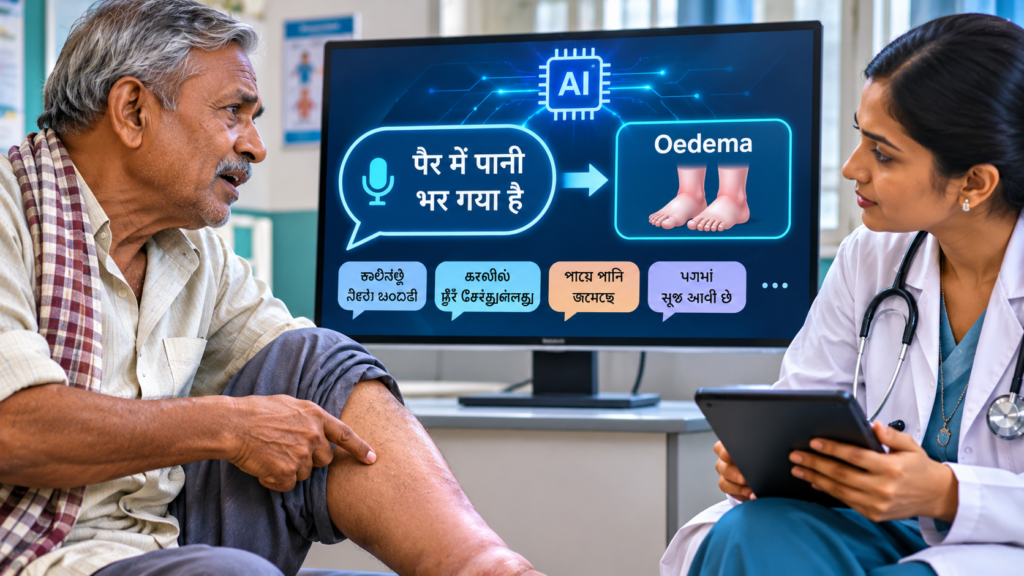
For example, a commonly used expression such as “पैर में पानी भर गया है” can be associated with the medical term “oedema”. By collecting such expressions across Indian languages, the initiative aims to help AI systems better understand how patients describe their health concerns in everyday conversations.
The summit also featured BhashaDaan for Health, which encourages community contributions to language resources for healthcare and public health applications. Granthika, a guided platform for collecting and digitising written and oral language resources, was among the other tools demonstrated.
Scale of the BHASHINI ecosystem
According to the Ministry of Electronics and Information Technology, BHASHINI supports 36 Indian text languages, 23 Indian voice languages and 35 international languages. Its ecosystem has recorded more than 11 billion inferences, with approximately 24 million inferences being processed daily.
The platform provides language technologies covering translation, speech recognition, speech synthesis and transliteration, enabling their integration into government and public-facing digital services.
Amitabh Nag, CEO of the Digital India BHASHINI Division, said language should not become a barrier to essential services and highlighted the importance of integrating multilingual intelligence into digital healthcare infrastructure. He also emphasised that effective communication and empathy are important components of patient-centred care.
From demonstration to dependable healthcare infrastructure
The integration of language AI into hospital information systems could help reduce routine documentation workloads and improve communication between healthcare professionals and patients. However, deploying such technologies in clinical settings involves challenges beyond speech recognition and translation.
Medical terminology, regional dialects, variations in pronunciation and the accuracy of translated clinical information require particular attention. Errors in recording symptoms, diagnoses, medication instructions or discharge advice could have consequences for patient safety. Human verification, data privacy, secure integration with hospital systems and accountability for AI-generated records will therefore be essential.
The effectiveness of multilingual AI in healthcare should ultimately be measured not only by the number of languages supported or the volume of digital interactions processed, but also by improvements in documentation accuracy, clinical efficiency and patients’ ability to understand and communicate their healthcare needs.
BHASHINI’s collaborations with AIIMS, JIPMER and the Army medical services represent an effort to move indigenous language AI beyond general-purpose translation towards integration with public healthcare infrastructure. Their wider significance will depend on the reliability, safety and scalability of these applications in routine clinical practice.