India backs G20 science academies’ push to harness AI, drones and satellites for disaster preparedness
India's INSA endorses G20 science academies' joint statement advocating AI, drones, satellite data and early warning systems to strengthen global disaster resilience.
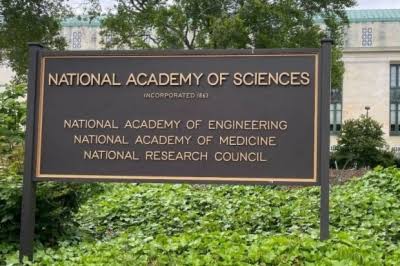
The Indian National Science Academy (INSA), an institution of the Department of Science and Technology (DST), participated in the Science20 (S20) 2026 process and endorsed the Joint S20 Statement released on November 10 under the leadership of the US National Academy of Sciences.

NEW DELHI: India has endorsed a joint statement by science academies of G20 countries calling for greater use of advanced technologies, including artificial intelligence (AI), drones, satellite-based observation and digital twins, to strengthen preparedness and response to natural disasters.
The Indian National Science Academy (INSA), an institution of the Department of Science and Technology (DST), participated in the Science20 (S20) 2026 process and endorsed the Joint S20 Statement released on November 10 under the leadership of the US National Academy of Sciences.
The statement identifies opportunities for governments to harness emerging technologies to improve disaster preparedness, strengthen resilience and enhance decision-making in response to natural hazards.
Natural disasters, including heavy rainfall, earthquakes, droughts, wildfires and extreme heat and cold events, are increasingly threatening populations, ecosystems and economies. The science academies have highlighted the potential of Earth observation, remote sensing, early warning systems, digital twins, drone technologies and AI to improve risk assessment and support timely interventions.
The joint statement is intended to inform discussions within the respective G20 governments and will be presented to the G20 ahead of its summit scheduled to take place in Miami, Florida, in December 2026.
Five priority areas identified for action
The joint statement outlines five key areas requiring coordinated international action to strengthen disaster preparedness and resilience.
These include improving data collection and understanding of disaster risks; ensuring safe, secure and equitable access to data and technology; building local skills and institutional capacity; strengthening human decision-making and governance; and promoting international and cross-sector collaboration.
The recommendations emphasise the importance of reliable information on hazards, exposure and vulnerability to support preparedness, emergency response and recovery.
The statement also calls for common standards, interoperability and resilient systems, while respecting national responsibilities relating to data governance, security and privacy.
Building local capabilities and developing solutions suited to regional conditions are identified as essential components of effective technology adoption. Investments in education, workforce development, training and community engagement will be important to ensure that emerging technologies can be deployed and sustained effectively.
The science academies have also stressed that advanced technologies should complement, rather than replace, human expertise. Appropriate oversight, local validation, transparency, accountability and effective risk communication are considered essential for responsible technology deployment.
INSA to engage national stakeholders
Following its endorsement, INSA will endeavour to bring the recommendations of the joint statement to the attention of relevant national stakeholders and facilitate engagement among scientific experts, research institutions and government agencies.
Through its national and international networks, the academy will continue to encourage interdisciplinary research, knowledge exchange and collaboration in areas related to disaster preparedness and resilience.
The S20 2026 process has provided a platform for science academies across G20 nations to exchange perspectives and develop collective recommendations on addressing global challenges.
INSA has also expressed its intention to continue participating in the engagement process under the leadership of the Royal Society in 2027.