4G connectivity reaches more remote villages as India advances digital inclusion
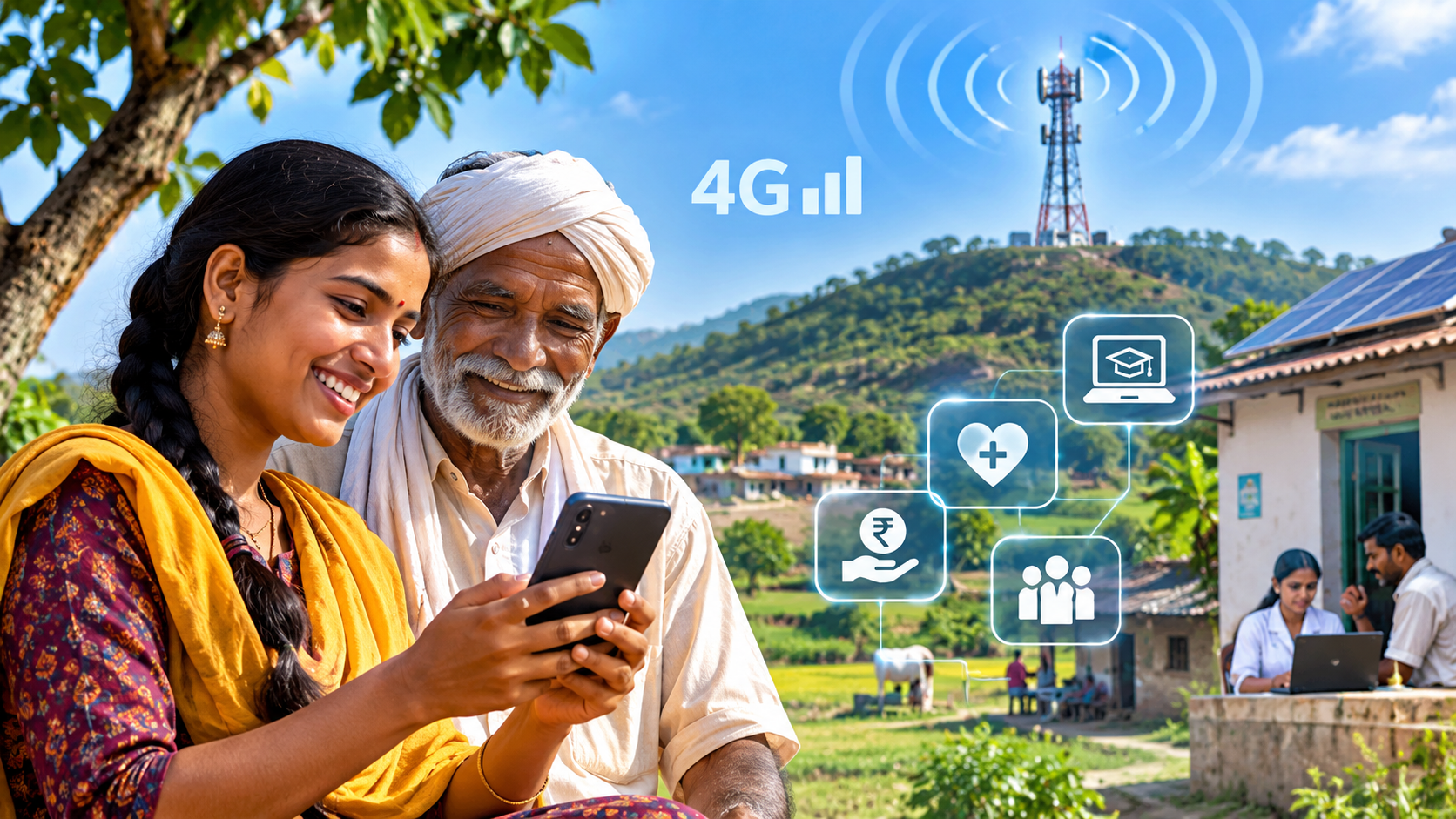
The number of villages without 4G connectivity in India has declined from 45,180 in 2022 to 11,372 in 2026. BSNL's 18,291 commissioned sites under the 4G Saturation Project recorded over

The 4G Saturation Project was designed to extend mobile connectivity to 24,680 previously unconnected villages, particularly in remote and underserved areas.


NEW DELHI: India has reduced the number of villages without 4G mobile connectivity by nearly 75% in four years, marking significant progress in expanding digital infrastructure across rural and remote regions.
According to the Department of Telecommunications (DoT), the number of villages without 4G connectivity declined from 45,180 in 2022 to 11,372 in 2026, reflecting the impact of the government’s 4G Saturation Project and network expansion initiatives by telecom service providers.
The 4G Saturation Project was designed to extend mobile connectivity to 24,680 previously unconnected villages, particularly in remote and underserved areas. The initiative is aimed at enabling rural communities to access reliable mobile communication and essential digital services.
BSNL’s 4G network records growing rural data usage
Bharat Sanchar Nigam Limited (BSNL) has commissioned 18,291 mobile sites under the 24,680-site 4G Saturation rollout plan.
These sites are witnessing substantial data consumption, indicating growing reliance on mobile internet services in rural communities.
In October 2026, the network served a maximum of 10,21,048 active users in a single day. Collectively, users consumed more than 1.86 crore GB (18,659,170 GB) of data during the month, translating into an average monthly consumption of 18.3 GB per user.
Each commissioned site served an average of around 56 active users, highlighting the role of these installations in extending connectivity to geographically dispersed rural populations.
Government sanctions another 26,000 mobile sites
To address the remaining connectivity gaps, the government has sanctioned an additional 26,000 mobile network sites for the next phase of expansion.
The Department of Telecommunications said extending connectivity to remote and geographically challenging locations remains a major challenge due to difficult terrain, high infrastructure costs, scattered settlements and isolated tribal habitations.
The department is working with BSNL and other telecom service providers to accelerate network expansion through additional mobile sites, network-sharing arrangements and better utilisation of existing telecommunications infrastructure.
Digital connectivity to support essential services
The government is prioritising connectivity in unserved villages, particularly in remote, tribal and aspirational regions.
Expanded mobile broadband access is expected to strengthen the delivery of digital governance services while improving access to online education, healthcare, financial services and other essential digital platforms.
The expansion of rural 4G infrastructure is a critical component of India’s broader Digital India initiative, aimed at ensuring that geographical location does not become a barrier to accessing the country’s growing digital ecosystem.
The Department of Telecommunications reiterated its commitment to ensuring that the benefits of reliable mobile connectivity reach every corner of the country, with the objective of leaving no village behind in India’s digital transformation.