India calls for climate finance commitments and equitable outcome at COP31
At the UN climate conference in Antalya, India has stressed developed countries’ obligations under the Paris Agreement and called for equity, adaptation and just transition to remain central to global
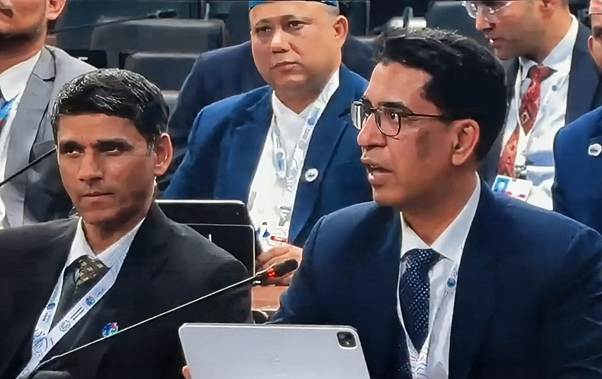
Delivering India's opening statement at the conference in Antalya, Türkiye, on November 10, Narendra Bhooshan, Secretary in the Ministry of Environment, Forest and Climate Change, reaffirmed India's commitment to climate multilateralism and the UNFCCC process.

ANTALYA (Turkiye): India has called for a fair, equitable and ambitious outcome at the 31st Conference of the Parties (COP31) to the United Nations Framework Convention on Climate Change (UNFCCC), reiterating the importance of climate finance, equity and the principle of Common But Differentiated Responsibilities and Respective Capabilities (CBDR-RC).
Delivering India’s opening statement at the conference in Antalya, Türkiye, on November 10, Narendra Bhooshan, Secretary in the Ministry of Environment, Forest and Climate Change, reaffirmed India’s commitment to climate multilateralism and the UNFCCC process.
India also expressed support for the positions articulated by the G77 and China, the Like-Minded Developing Countries (LMDC) and the BASIC group, according to a Press Information Bureau release.
Emphasising the importance of multilateral negotiations, India said the UNFCCC and the Paris Agreement remain inclusive platforms that provide every country with a voice in global climate decision-making.
India welcomed the COP31 Presidency’s vision of a “COP of Implementation”, guided by dialogue, consensus and action. It noted that dialogue builds trust, consensus ensures collective ownership of outcomes, and action translates commitments into progress on the ground.
Equity and adaptation for developing countries
India highlighted the growing urgency of climate action as the world faces the prospect of exceeding the 1.5°C warming threshold.
It said equity must remain central to global efforts to address climate change, ensuring that countries can contribute to climate action while pursuing the development and well-being of their populations.
India also underscored the challenges of achieving a just transition and meeting adaptation requirements, particularly in the Global South, where climate action is closely linked to development priorities.
India stresses developed countries’ climate finance obligations
On climate finance, India emphasised that public financial support from developed countries remains essential to catalysing climate action in developing economies and strengthening adaptation finance for vulnerable countries.
It specifically highlighted Article 9.1 of the Paris Agreement, which requires developed countries to provide financial resources to developing countries to assist them in mitigation and adaptation efforts.
India said fulfilling this obligation was fundamental to building trust and ensuring that developing countries have the resources needed to implement their climate commitments.
Reaffirming its constructive engagement in the negotiations, India said it would work with all parties towards a fair, equitable and ambitious outcome at COP31.