Govt releases national standard protocol to strengthen scientific pig breeding and artificial insemination
The new guidelines standardise semen production and artificial insemination practices, with a focus on genetic improvement, higher productivity and livelihood opportunities for pig farmers in the North-East.
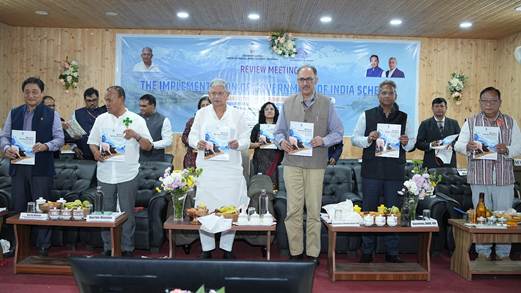
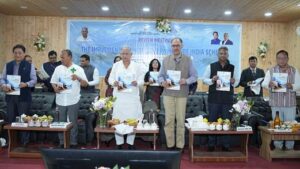
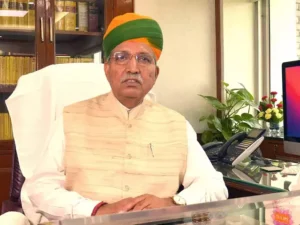
Union Minister for Fisheries, Animal Husbandry and Dairying Rajiv Ranjan Singh releases the Minimum Standard Protocol for Semen Production and Standard Operating Procedures for Artificial Insemination using Liquid Semen in Pigs during his visit to Sikkim on November 2, 2026.

GANGTOK: Union Minister for Fisheries, Animal Husbandry and Dairying Rajiv Ranjan Singh released a national protocol for pig semen production and artificial insemination during his two-day visit to Sikkim on November 2, 2026, aiming to strengthen scientific pig breeding and improve farmers’ livelihoods, particularly in the North-Eastern Region.
Titled Minimum Standard Protocol for Semen Production and Standard Operating Procedures for Artificial Insemination using Liquid Semen in Pigs, the publication provides standardised procedures covering semen production, quality assurance, biosecurity, preservation, transportation and artificial insemination.
The framework is intended to guide States, veterinarians, breeding centres and farmers in establishing and operating pig semen production laboratories and expanding access to artificial insemination services.
According to the 20th Livestock Census (2019), India had a pig population of 9.06 million, accounting for 1.7% of the country’s total livestock population. The North-Eastern Region contributes nearly 45% of India’s pig population, making it a major centre of pig farming.
Indigenous and non-descript pigs account for about 79% of the country’s pig population, indicating scope for genetic improvement through scientific breeding interventions. Improved access to quality germplasm and modern breeding technologies is expected to enhance productivity and support the conservation and upgrading of indigenous pig varieties.
The protocol covers the entire artificial insemination value chain, including breeding boar selection, semen collection, evaluation, processing, storage and transportation. It also prescribes laboratory quality management and measures for disease prevention and biosecurity.
Its implementation is expected to improve reproductive efficiency, increase the availability of superior breeding material and enhance the productivity and profitability of pig farming enterprises. The initiative is also expected to support higher pork production and livelihood generation, particularly among smallholder farmers in the North-Eastern states.
The publication is available on the Department of Animal Husbandry and Dairying website at dahd.gov.in.